
Cost & insurance
Does dental insurance cover braces? A Bakersfield guide
Does dental insurance cover braces? How orthodontic benefits, lifetime maximums, waiting periods and age limits work, and what to ask before you book.
Read more
Blog
Braces myths, sorted from fact: pain, age, cost of waiting, retainers and who is actually an orthodontist. A plain-English guide for Bakersfield families.

Most braces myths share one trait: they sound like something your cousin's friend's neighbor once said at a barbecue. Braces do not hurt all the time, they are not just for teenagers, and they are not purely cosmetic. Treatment also does not automatically take years, and the retainer is not optional.
Here are nine of the most common braces myths we hear from Bakersfield patients and parents, with what is actually true. Where a claim comes from a professional source, we link it.
No. Braces usually cause soreness for a few days after they are placed and sometimes after an adjustment, and then it fades. The American Association of Orthodontists (AAO) notes that braces do not usually cause constant pain, and that ongoing or severe pain is worth reporting to your orthodontist.
The soreness is your teeth reacting to gentle pressure, which is how they move. Our first week with braces guide covers the day-by-day pattern and what to eat while it passes. The short version: yogurt is your friend for about three days.
No. Healthy teeth can be moved at almost any age, and many adults are in treatment for bite comfort and long-term oral health as much as appearance. Adults also have more options than they expect, including clear and low-profile choices. See can adults get braces for the details.
No, and this one matters most. Straight teeth look good, but the main job of orthodontics is a bite that works. A bite is how the upper and lower teeth meet. When it is off, as with an overbite, underbite, or crossbite, teeth can wear unevenly, chewing can be harder, and some patients notice jaw strain. Our guide to overbite, underbite and crossbite explains each one. Jaw joint symptoms are a separate topic, covered under TMJ treatment.
Not always. Treatment time depends on the case. For our patients, about 18 months is the fastest typical treatment time, and more complex cases run longer. Broken brackets and missed appointments add time, which is one reason we like to keep patients on schedule. The full picture is in how long braces take.
No. An orthodontist is a dental specialist who has completed additional accredited training in how teeth and jaws move, beyond dental school. A general dentist can offer braces or aligners without that specialty training. The AAO makes the same point in its article on orthodontic myths. Dr. Mendivil is an orthodontic specialist, board certified by the American Board of Orthodontics, and has been in practice in Bakersfield since 1989. For a fuller comparison, read dentist vs. orthodontist for braces.
No. Options include traditional metal braces, clear braces, gold and rose gold braces, Invisalign clear aligners, and braces placed behind the teeth. We are a certified Invisalign and Invisalign Teen provider. Which option fits depends on your bite, your age, and how you want to live with treatment. Our post on clear braces vs. gold braces compares two of the choices, and the aesthetic braces page shows the full range.
This one is tempting because it sounds easy. The AAO's position is that teeth and jaws need professional monitoring, because adjustments partway through treatment are common and do-it-yourself kits can harm oral health. Moving teeth changes the bone and gums around them, and someone needs to be looking at that in person.
No, and it is the myth that causes the most regret. Teeth tend to drift back toward where they were unless a retainer holds them while the bone around them settles. The AAO lists retainer wear as a standard part of keeping your results. We explain the biology in retainers after braces, including what to do if a retainer is lost.
Yes, with a few adjustments. Athletes wear a mouthguard made for braces, and musicians adapt quickly. Food has a short list of things to skip: hard, sticky, and chewy items such as popcorn, whole apples, and chewing gum, which the American Dental Association's MouthHealthy site also lists. Our post on braces and school sports in Bakersfield covers practice, games, and what to pack in the sports bag.
A smaller myth for good measure: braces do not pick up radio stations. We have checked.
Braces do not damage healthy teeth. What can cause trouble is plaque, the sticky film of bacteria that collects around brackets and wires when brushing and flossing slip. Left alone, plaque can leave white spots (early decay marks that show up once the braces come off) and inflamed gums. The ADA's MouthHealthy site makes the same point about sugary foods and plaque around brackets.
The fix is routine, not heroics: brush after meals, floss daily with a threader or a water flosser, and keep your cleaning visits. Our brushing and flossing guide for braces walks through the tools. A bite left untreated can also wear on teeth over the years, so skipping treatment out of fear of damage is not always the safer choice.
Not necessarily. A first check around age 7 does not mean braces at age 7. In most cases it means an orthodontist looks at how the jaws and incoming teeth are developing and tells you whether to start now or simply watch. Some problems are easier to guide while a child is still growing, and many children only need monitoring. Waiting is sometimes the right call, but it works better as a decision made after an exam than as a guess.
Mostly because the technology changed and the stories did not. Braces today use smaller brackets and lighter wires than the ones a parent may remember, and clear aligners did not exist for most of the twentieth century. Add a few cartoon braces jokes, and an outdated picture hangs on for decades.
The practical answer is to ask your orthodontist about your own mouth. Two patients with the same myth in mind can have very different plans.
See an orthodontist if teeth look crowded, spaced, or out of line, if your bite feels off, or if your jaw clicks or aches. For children, the AAO recommends a first check by age 7, and our post on whether your child needs braces explains why. Adults are welcome at any age.
An exam answers the questions that myths cannot: what your teeth and bite need, which options suit you, and roughly how long it would take. If you are unsure about anything above, the first consultation is free and there is no obligation to start treatment. You can schedule a visit or read the FAQ first. Questions about paying for treatment are covered on our financing page.
Keep reading
Does dental insurance cover braces? How orthodontic benefits, lifetime maximums, waiting periods and age limits work, and what to ask before you book.
Read more
Lingual braces sit behind your teeth, out of sight. Learn how they work, how speech adjusts, who suits them, and what to ask a Bakersfield orthodontist.
Read more
Invisalign for teens, explained by a Bakersfield orthodontist: who it suits, how wear tracking works, school and sports tips, and when braces fit better.
Read moreTalk it through
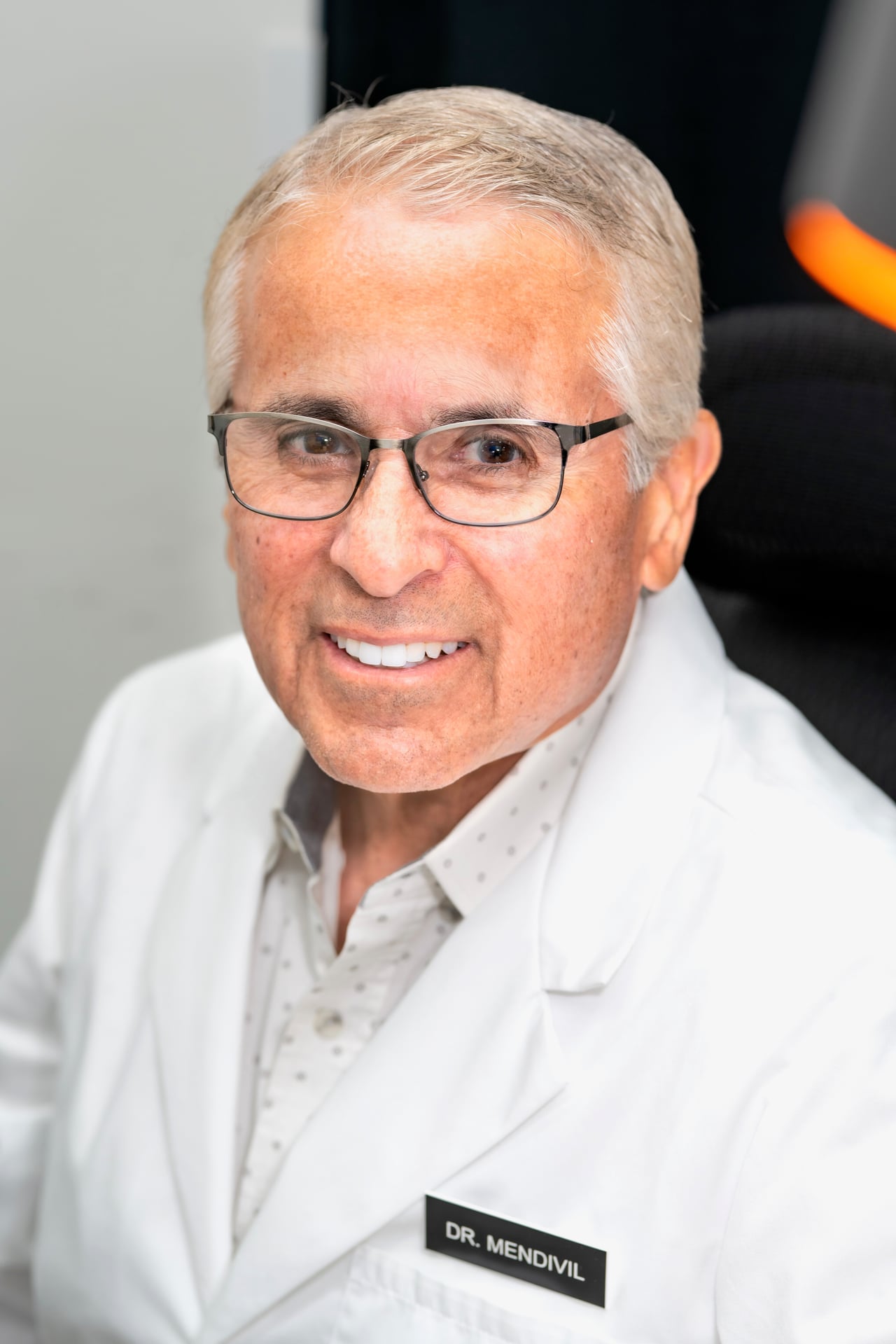
Bring your insurance card. We will walk through the bite, the timeline, and what is covered before any treatment starts.
Schedule a consultation