
Treatment options
TMJ symptoms: signs your jaw joint needs a look
TMJ symptoms include jaw pain, locking, headaches and ear pain. Learn which signs are harmless, which deserve an exam, and what to expect in Bakersfield.
Read more
Blog
Learn how long braces usually take, what can change the timeline, and how Bakersfield patients can help keep orthodontic treatment on schedule.
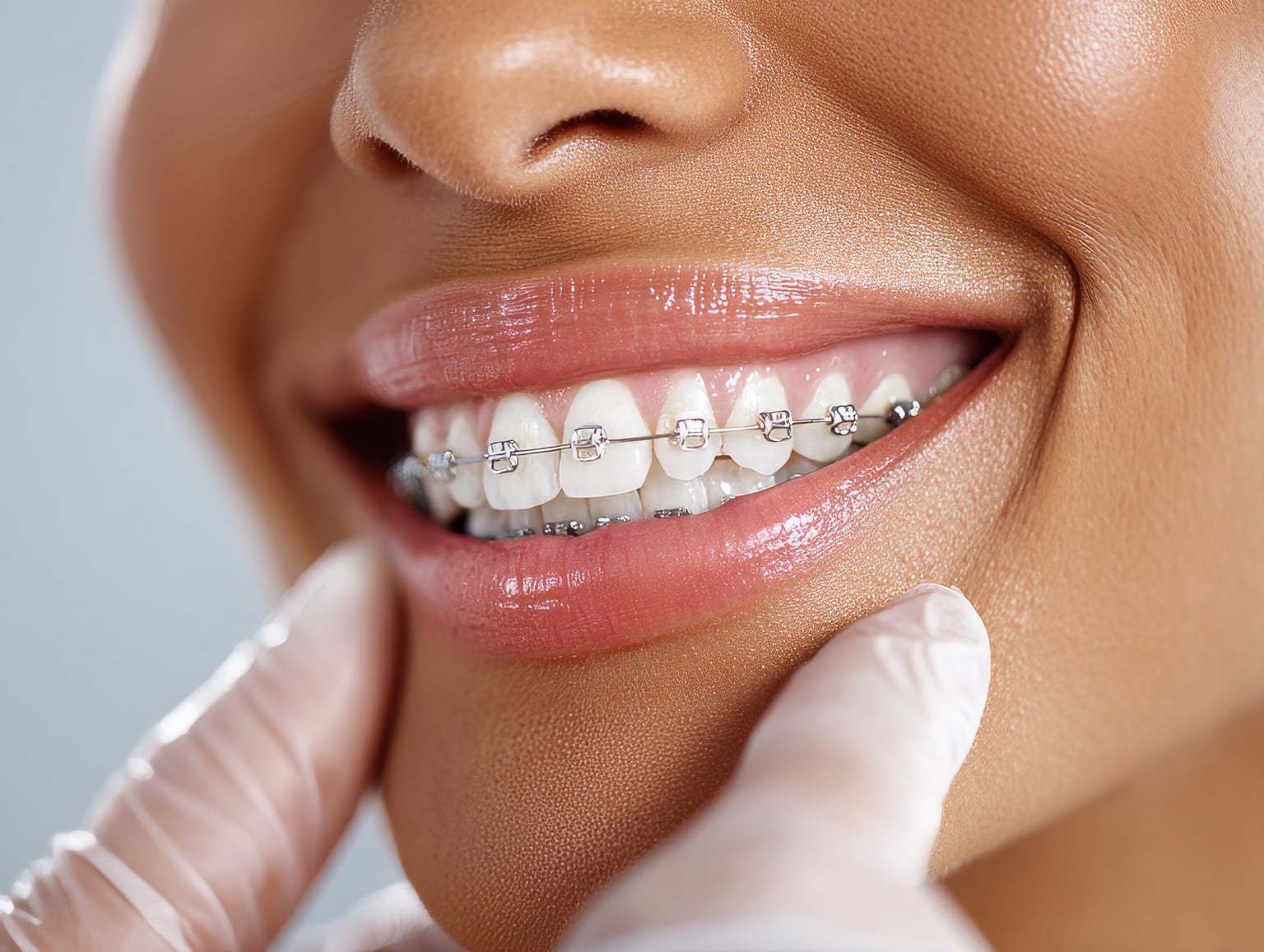
Most full braces cases take about 18 to 30 months, but that range is only a starting point. A patient who needs a few teeth aligned may finish sooner. A patient with a complex bite, impacted teeth, or jaw-growth concerns may need more time.
The useful answer is not the fastest number someone can quote online. It is an estimate based on your teeth, your bite, and the movements needed to bring the two together. That estimate becomes much clearer after an orthodontic exam and diagnostic records.
Here is what Bakersfield patients and parents should know about the braces timeline, from the first consultation through retainers.
Braces move teeth through bone in a controlled sequence. The goal is not only to make the front teeth look straighter. The roots need to move with the crowns, the upper and lower teeth need to fit together, and each step needs to leave room for the next one.
That is why two people who appear to have similar crowding can receive very different estimates. One may need straightforward alignment. The other may also need bite correction, space management, tooth rotation, or movement of teeth that have not erupted normally.
At Dr. Mendivil Orthodontics, traditional braces typically run 18 to 30 months, depending on bite complexity. Your consultation provides a case-specific estimate rather than treating that range as a promise.
Several parts of the diagnosis influence the schedule.
Mild spacing or crowding generally requires fewer movements than severe crowding, large rotations, or teeth that are far outside the dental arch. An impacted tooth that has not erupted can add another stage to the plan.
Straight front teeth are only part of the result. An overbite, underbite, crossbite, open bite, or uneven contact between the upper and lower teeth may need correction before treatment is complete. Bite correction often requires more coordination than alignment alone.
For children and teens, the timing of tooth eruption and jaw growth can shape the plan. An early orthodontic checkup does not mean braces should begin immediately. In many cases, monitoring growth and choosing the right starting point is more useful than starting sooner. Our guide for Bakersfield parents explains why the first evaluation is recommended by age 7.
Traditional metal braces, clear ceramic braces, and gold-finish braces all use brackets and an archwire. Their treatment time depends on the bite, not the color or finish of the brackets.
Invisalign clear aligners use a planned series of removable trays. They can be appropriate for many patients, but they are not automatically faster than braces. The diagnosis and the consistency of aligner wear both matter. The best comparison is the expected timeline for each option in your specific case.
Some parts of orthodontic treatment happen in the office. Others depend on what happens between visits. Wearing elastics as directed, keeping scheduled appointments, and reporting a loose bracket or broken wire promptly help the planned sequence continue.
The American Association of Orthodontists describes successful braces treatment as a combination of pressure, time, and cooperation. Trying to create more pressure on your own does not make teeth move safely or predictably.
Every case is individual, but treatment usually follows four broad stages.
The orthodontist examines how the teeth and jaws fit together and takes the records needed to plan treatment. At Dr. Mendivil Orthodontics, those records may include panoramic and intraoral X-rays. This is when you discuss the recommended appliance, estimated treatment time, total cost, and applicable insurance benefits.
Brackets are bonded to the teeth and the first archwire is placed. The initial part of treatment begins bringing crowded or spaced teeth into a more orderly arch. Visible changes can happen during this stage, but a straighter-looking smile does not mean the bite is finished.
Later stages refine tooth positions and coordinate the upper and lower teeth. Elastics may be prescribed for certain bite movements. Appointments are typically scheduled every 4 to 8 weeks so the orthodontist can check progress and make the next planned adjustment.
When the teeth and bite have reached their planned positions, the brackets are removed and retainers are made. Retention is not an optional extra after active treatment. Teeth naturally continue to shift over time, so retainers hold the result.
The AAO recommends wearing retainers according to your orthodontist's instructions and notes that some degree of retainer wear is needed long term. Dr. Mendivil typically has patients wear their retainers nightly after the initial retention period. For the biology behind this, see our guide to retainers after braces.
A treatment estimate assumes that appointments and prescribed steps happen on schedule. Common reasons the finish date may move include:
These factors do not always create a major delay. The best approach is to call the office when something changes rather than waiting until the next scheduled visit.
You cannot control the biology of tooth movement, but you can avoid preventable interruptions:
There is no safe at-home shortcut that replaces a professionally planned sequence of tooth movement. Consistency is more helpful than trying to make braces work harder.
Age alone does not determine the finish date. Children and teens may have growth that an orthodontist can use as part of treatment, while adults may have restorations, gum considerations, or long-standing bite patterns to coordinate. Adults can still be treated successfully with braces or clear aligners.
The fairest comparison is between diagnoses, not birthdays. A straightforward adult case may take less time than a complex teen case. An examination is the only reliable way to estimate either one.
Some limited alignment cases can be shorter than full bite treatment, but six months is not a realistic promise for every bite. Ask whether a short plan addresses only visible tooth alignment or also corrects how the upper and lower teeth fit together.
Not simply because of their appearance. Aesthetic braces use the same general bracket-and-wire approach. The bite and required tooth movements are the main drivers of treatment time.
Neither option is universally faster. Invisalign may be efficient for an appropriate case when aligners are worn consistently. Fixed braces may give the orthodontist better control for other movements. Your consultation should compare both options against the same treatment goal.
Appointments at Dr. Mendivil Orthodontics are generally scheduled every 4 to 8 weeks. The exact interval can change during treatment based on what the teeth need next. If you are just starting, see what to expect in the first week with braces.
The 18-to-30-month range refers to active treatment with braces. Retainers begin after the brackets come off and are used long term to help preserve the result.
An online range can help you plan, but it cannot show which teeth need to move or how your bite should finish. Dr. Guy Mendivil has practiced orthodontics in Bakersfield since 1989 and evaluates each case before recommending an appliance or timeline.
The office is located at 11901 Bolthouse Dr Suite 200, serving Seven Oaks, Stockdale, and greater Bakersfield. Treatment takes place in private rooms, and bilingual staff are available in English and Spanish.
Schedule a free consultation to receive an individual treatment estimate. If you are also planning for the cost, read our guide to braces costs in Bakersfield before your visit.
Keep reading
TMJ symptoms include jaw pain, locking, headaches and ear pain. Learn which signs are harmless, which deserve an exam, and what to expect in Bakersfield.
Read more
How to clean Invisalign aligners: what to use, what to avoid, how to handle Bakersfield heat, and what to do about cloudy, smelly, or stained trays.
Read more
How do braces move teeth? Learn how gentle pressure remodels the bone around each root, why adjustments are weeks apart, and what speeds or slows treatment.
Read moreTalk it through
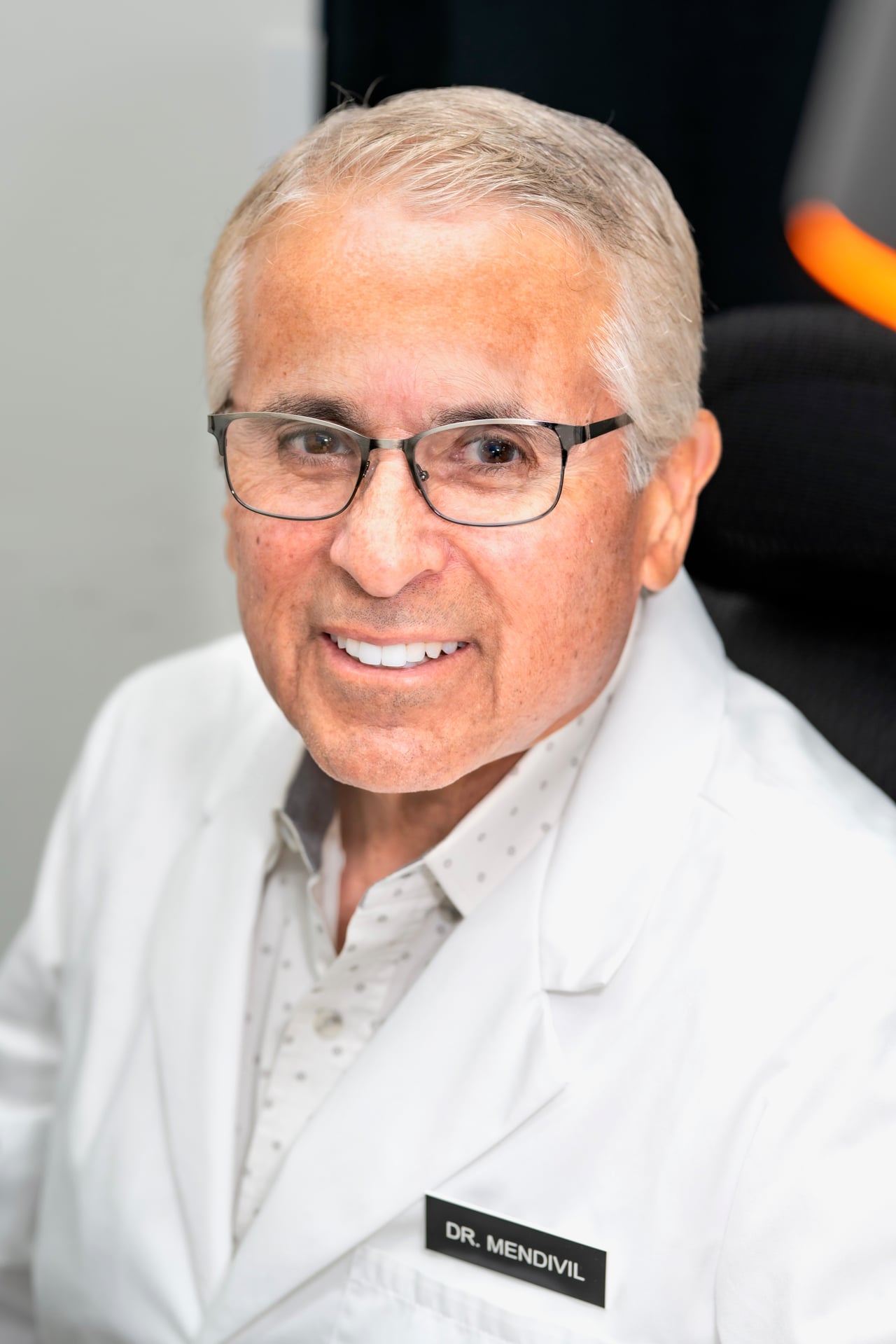
Bring your insurance card. We will walk through the bite, the timeline, and what is covered before any treatment starts.
Schedule a consultation