Complex cases
Consultative care and orthodontic continuity for complex bites.
Orthodontics
We treat roughly 40 TMJ cases a year, many referred by general dentists who don't take them on. Conservative-first, escalating only when the case requires it.
Schedule a consultationWhat it is
The temporomandibular joint — TMJ — is the hinge connecting your jaw to your skull. When it's misaligned or overworked, it can produce headaches, jaw clicking, ear pain, and pain on chewing. We treat roughly 40 TMJ cases a year, often by referral. Our approach is conservative first: rule out the cheap fixes before escalating to anything irreversible.
Is this for you
The visits
Step-by-step, so there are no surprises at the chair.
A full evaluation of the jaw, bite, and any imaging your referring dentist or physician has already done. We listen to what you've already tried.
We walk you through what's driving the symptoms — bruxism (grinding), malocclusion, joint inflammation, or a combination — and the treatment options for each.
Conservative options first: a custom splint, behavioral adjustments, sometimes physical therapy referrals. Orthodontic correction is considered when the bite is the underlying cause.
Regular check-ins to measure progress against the baseline. TMJ is rarely a one-visit fix — but the trajectory should be clearly improving within a few months.
Common questions
No. Many of our TMJ patients self-refer after looking up the symptoms; many are referred by their general dentist or physician. Either is fine.
Most TMJ cases don't need either. We start conservative — a splint and behavioral adjustments — and only escalate if the case requires it.
Coverage varies by carrier and plan. We'll verify before the visit and walk you through what's covered before any treatment starts.
Related care
Consultative care and orthodontic continuity for complex bites.
Removable clear aligners — 3D scan, no putty.
Reliable metal brackets for bites that need them.
From the blog
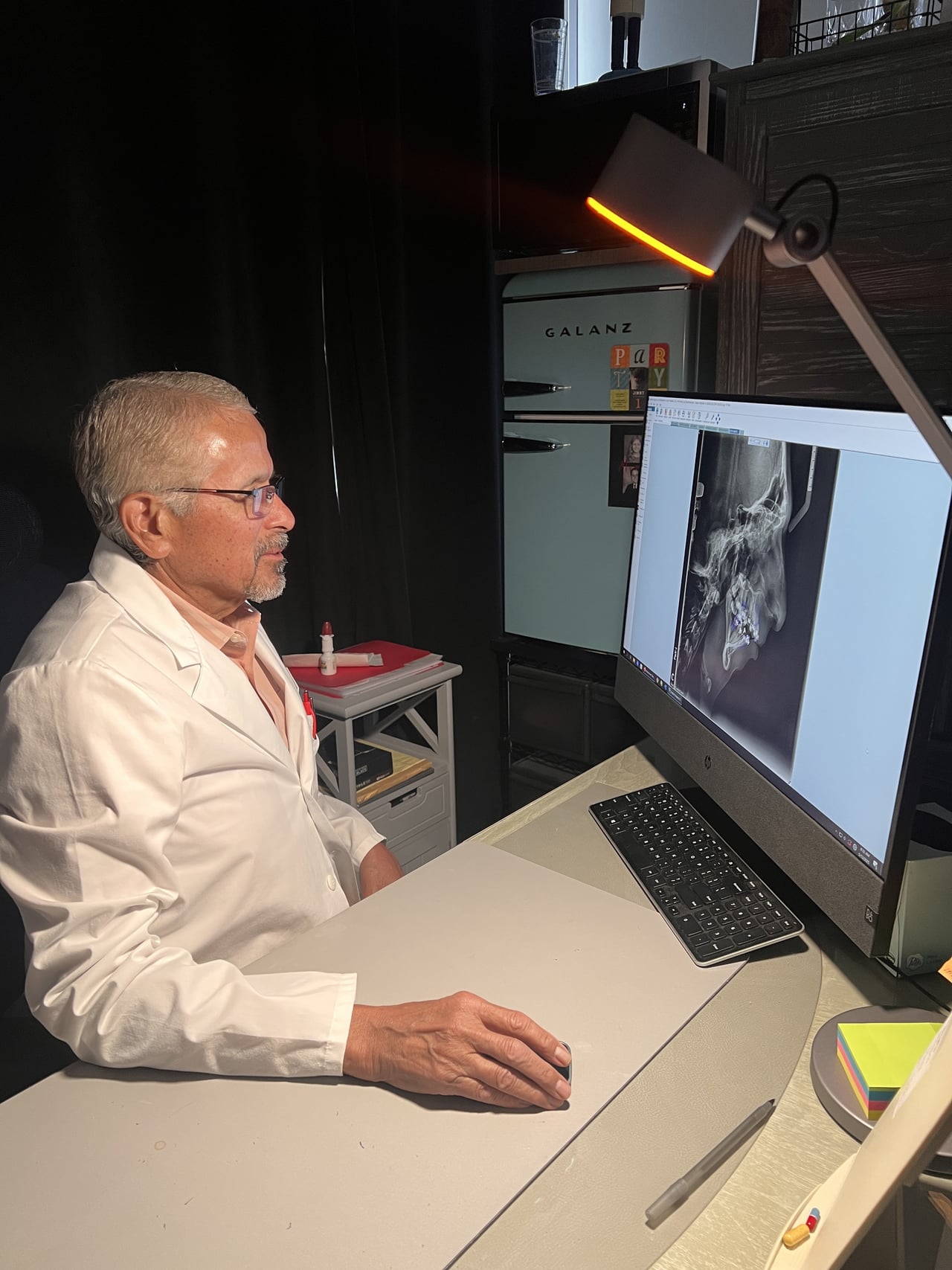
Learn when to see a dentist and when to see an orthodontist for braces or Invisalign, including the training difference and questions to ask before treatment.
Read more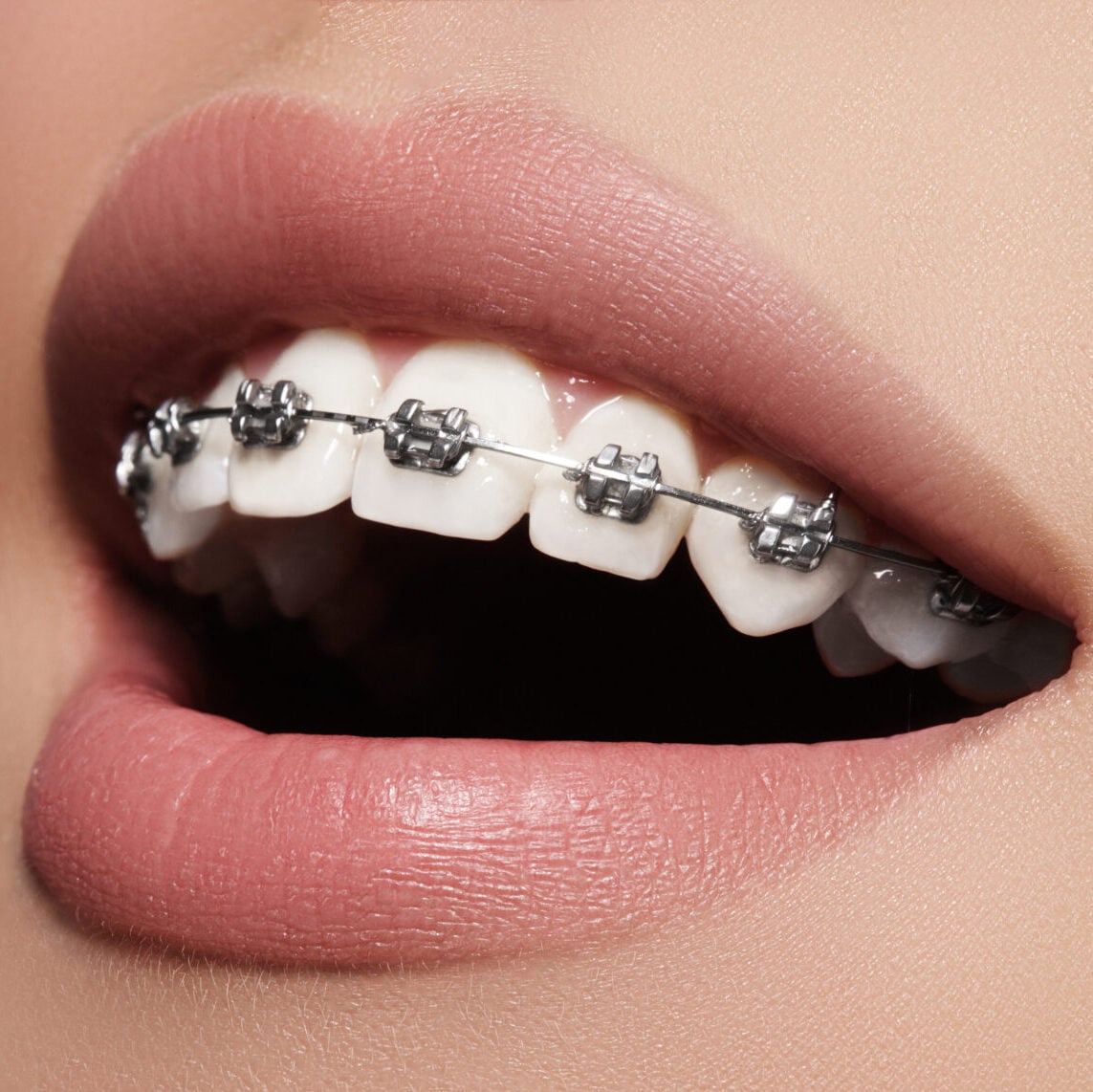
A plain-English look at what orthodontic treatment typically costs in Bakersfield — what drives the range, what insurance usually covers, and how Dr. Mendivil Orthodontics walks through pricing at a consultation.
Read moreNext step
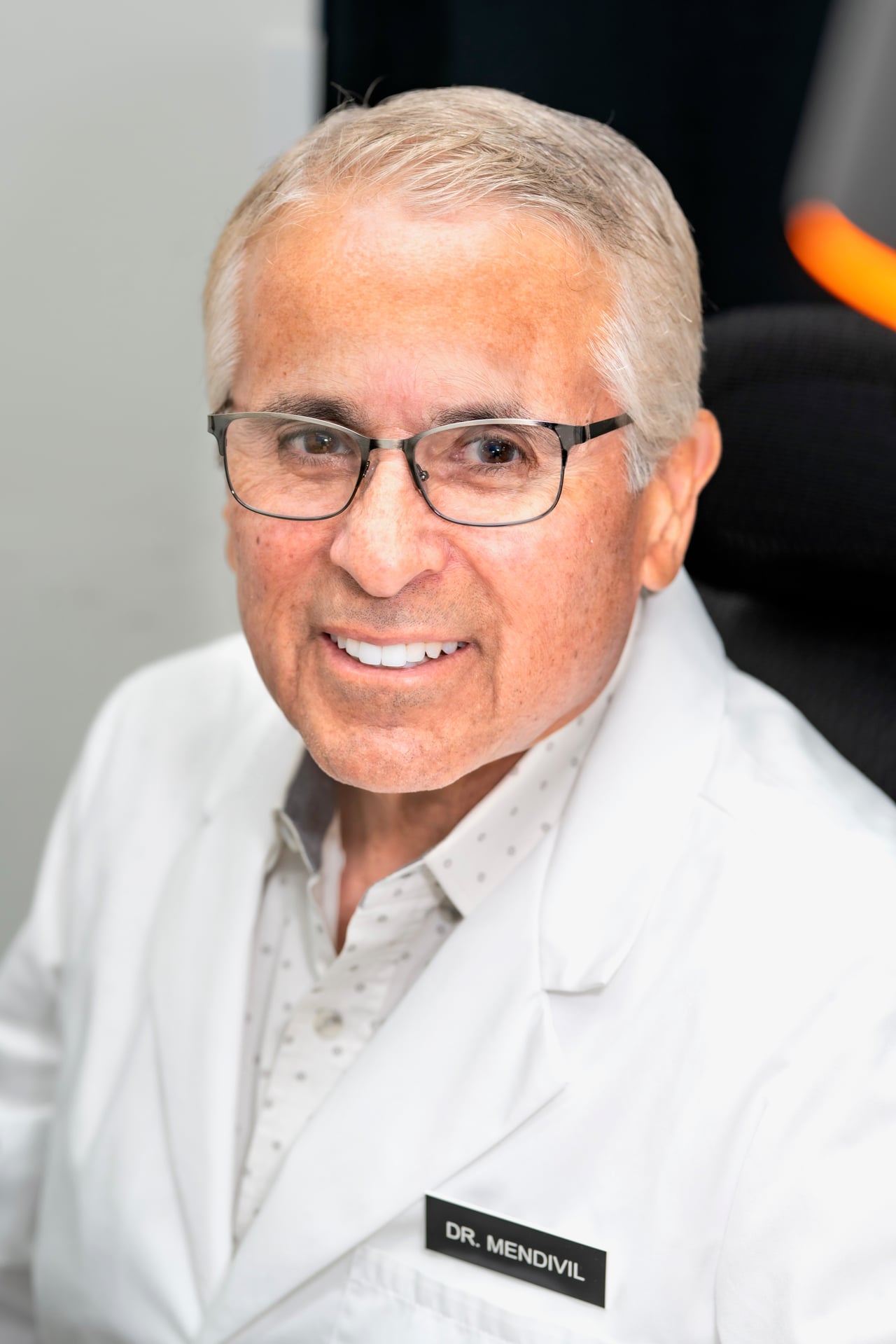
Bring your insurance card. We will walk through the bite, the timeline, and what is covered before any treatment starts.
Schedule a consultation