Treatment options
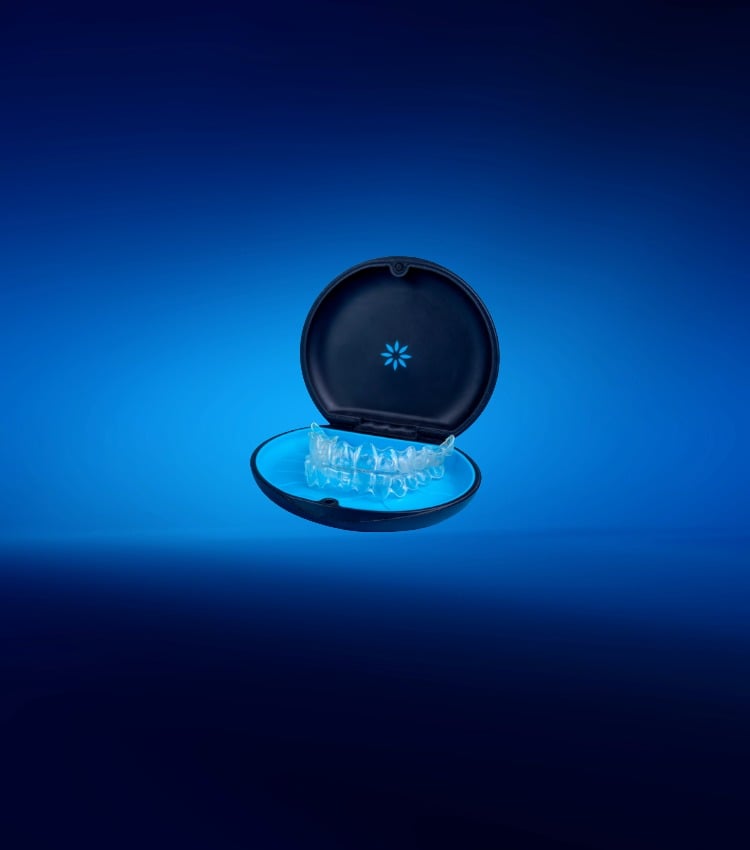
How to clean Invisalign aligners (and keep them clear)
How to clean Invisalign aligners: what to use, what to avoid, how to handle Bakersfield heat, and what to do about cloudy, smelly, or stained trays.
Read more
Blog
Do you really need a retainer after braces? Learn the science of why teeth shift, how long to wear retainers, and what to do if yours is lost or tight.
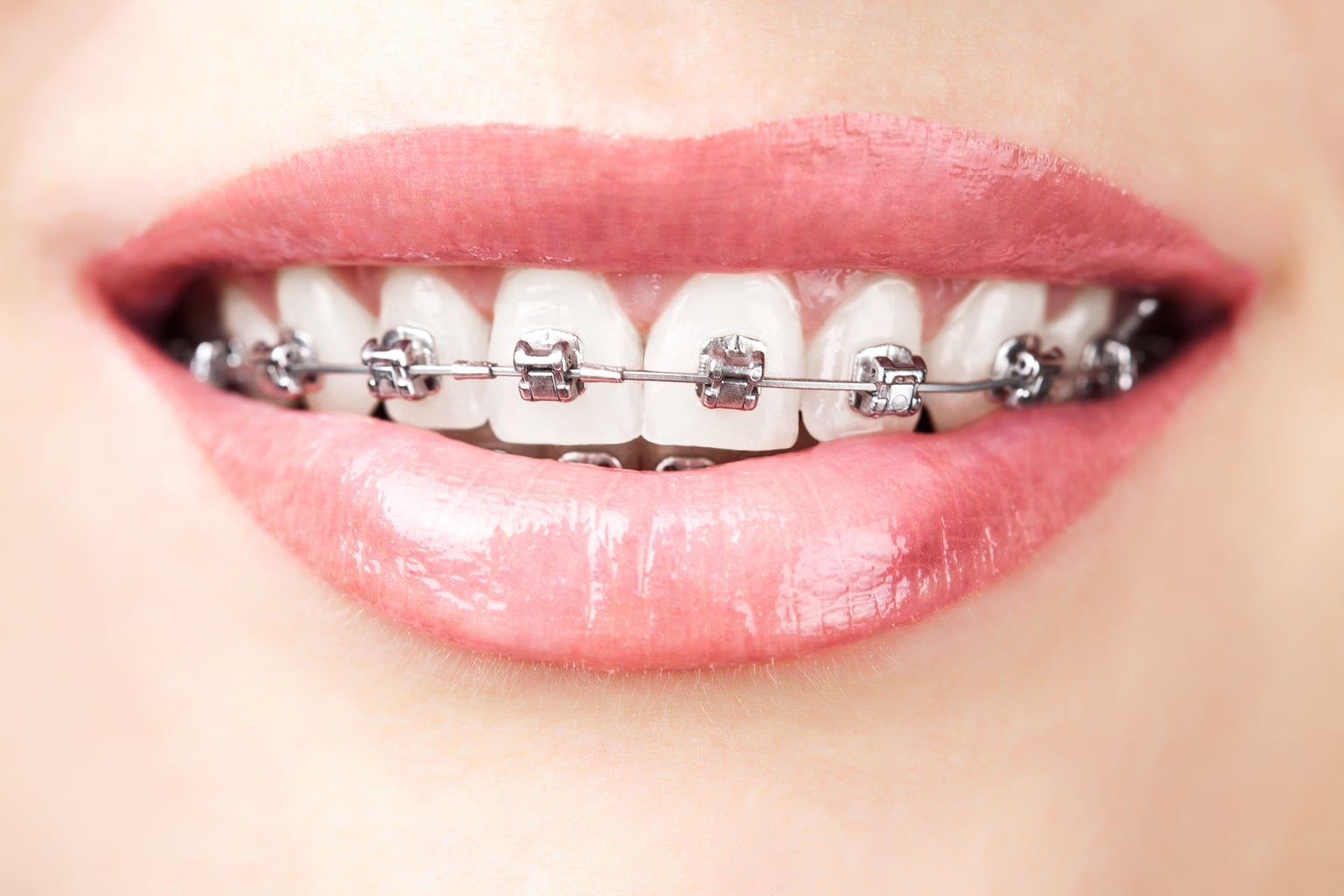
Yes, you need a retainer after braces, and for most people the need does not end when the braces come off. Teeth are held in the jaw by living tissue that keeps responding to pressure for your whole life, so retainers after braces are what keep the new position from drifting back toward the old one.
That answer surprises many Bakersfield patients and parents. Braces work for 18 months or two years, so it seems reasonable to expect the result to be permanent. The reason it is not comes down to biology, and once you understand it, retainer instructions stop feeling arbitrary.
Teeth are not fixed into bone like posts in concrete. Each tooth sits in a socket, held by a thin elastic layer called the periodontal ligament (the tissue that anchors the root to the surrounding bone). That ligament acts a bit like a shock absorber, and it is the reason teeth can move at all.
When braces apply gentle, steady pressure, the bone on the pressure side of the root is broken down by specialized cells, and new bone is built on the opposite side. This process is called bone remodeling (we explain it step by step in how braces move teeth). The tooth travels through the bone one small step at a time, which is why adjustments are spaced weeks apart rather than done in one visit.
When the braces come off, two things are still true:
Everyday forces add to this. Chewing, swallowing, the pressure of the tongue and lips, and even normal aging changes in the jaw keep nudging teeth. That is why orthodontists describe the tendency of teeth to shift back as relapse, and why it can happen to people who had excellent treatment results.
Your orthodontist sets the schedule for your case, and it is worth following it exactly. In general, retainer wear follows two stages:
Many orthodontists, and the American Association of Orthodontists (AAO), say some degree of retainer wear is needed long term. The honest version of "how long" is that the exact frequency depends on your teeth, your original problem, and how stable your result is, so it is a question to ask at your retention visit.
A helpful way to think about it: the retainer is the simplest part of orthodontic care to keep up, and it protects the part that took the longest.
You will usually be offered one of two general styles.
Which one suits you depends on where your teeth started and how likely they are to shift. Some patients use both. The choice is part of your treatment plan, so ask about it during your consultation rather than after the braces come off.
They can. Relapse is not limited to the first year, and it is not a sign that treatment failed. Lower front teeth are a common place to notice it, as slight crowding returns. Changes in the jaw over the decades, wisdom teeth, and habits such as clenching all play a part, and the effects are gradual enough that many people only notice them in photos. Steady retainer wear is the practical answer, because it resists all of those forces at once.
Yes. Invisalign and Invisalign Teen move teeth through the same biology as braces, so the same tendency to shift applies once the final aligner is done. Dr. Mendivil's office is a certified Invisalign and Invisalign Teen provider, and retention is part of the plan from the beginning. Our post on how to clean Invisalign aligners also applies to clear retainers.
Retainers get lost more often than anyone expects, usually wrapped in a napkin at lunch. If that happens, the steps are simple.
If teeth have already moved noticeably, a short course of treatment may be needed. Adults returning after earlier braces are common; our post on braces for adults in Bakersfield covers what that visit looks like.
Valley summers are hard on plastic. A retainer left on a car dashboard or seat can warp within minutes, and a warped retainer does not fit. A few habits help:
It is. Active tooth movement is only one phase, and retention is the phase that protects it. When you compare estimates from different offices, ask what is included for retainers and for follow-up. Our braces timeline guide walks through each phase from records to retention, and the Bakersfield braces cost guide explains what fees typically cover.
Contact an orthodontist if:
An exam is the only reliable way to tell whether a shift is minor and correctable with a new retainer or needs treatment. If you would like a professional opinion, you are welcome to schedule a free consultation with Dr. Mendivil, and you can browse answers to other common questions on our FAQ page.
Keep reading
How to clean Invisalign aligners: what to use, what to avoid, how to handle Bakersfield heat, and what to do about cloudy, smelly, or stained trays.
Read more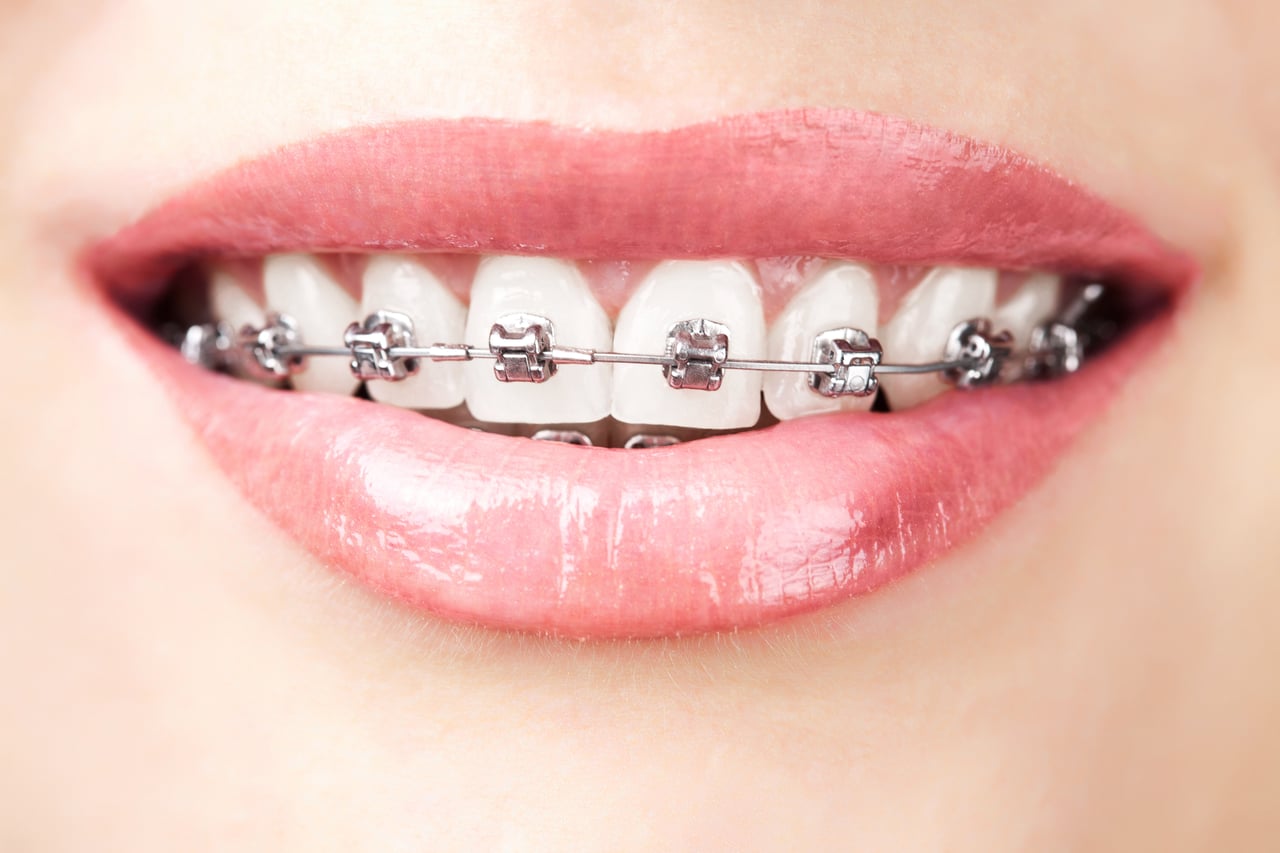
How do braces move teeth? Learn how gentle pressure remodels the bone around each root, why adjustments are weeks apart, and what speeds or slows treatment.
Read more
A poking wire or loose bracket is rarely a true braces emergency. Here is what to fix at home, what to save for a call, and when to head to the ER.
Read moreTalk it through
Bring your insurance card. We will walk through the bite, the timeline, and what is covered before any treatment starts.
Schedule a consultation