Treatment options
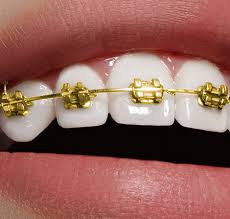
Clear braces vs. gold braces: how to choose
Clear braces vs. gold braces vs. metal: how each looks, holds up, and stains, plus how to choose the right bracket finish. A Bakersfield orthodontist's guide.
Read more
Blog
Invisalign for teens, explained by a Bakersfield orthodontist: who it suits, how wear tracking works, school and sports tips, and when braces fit better.
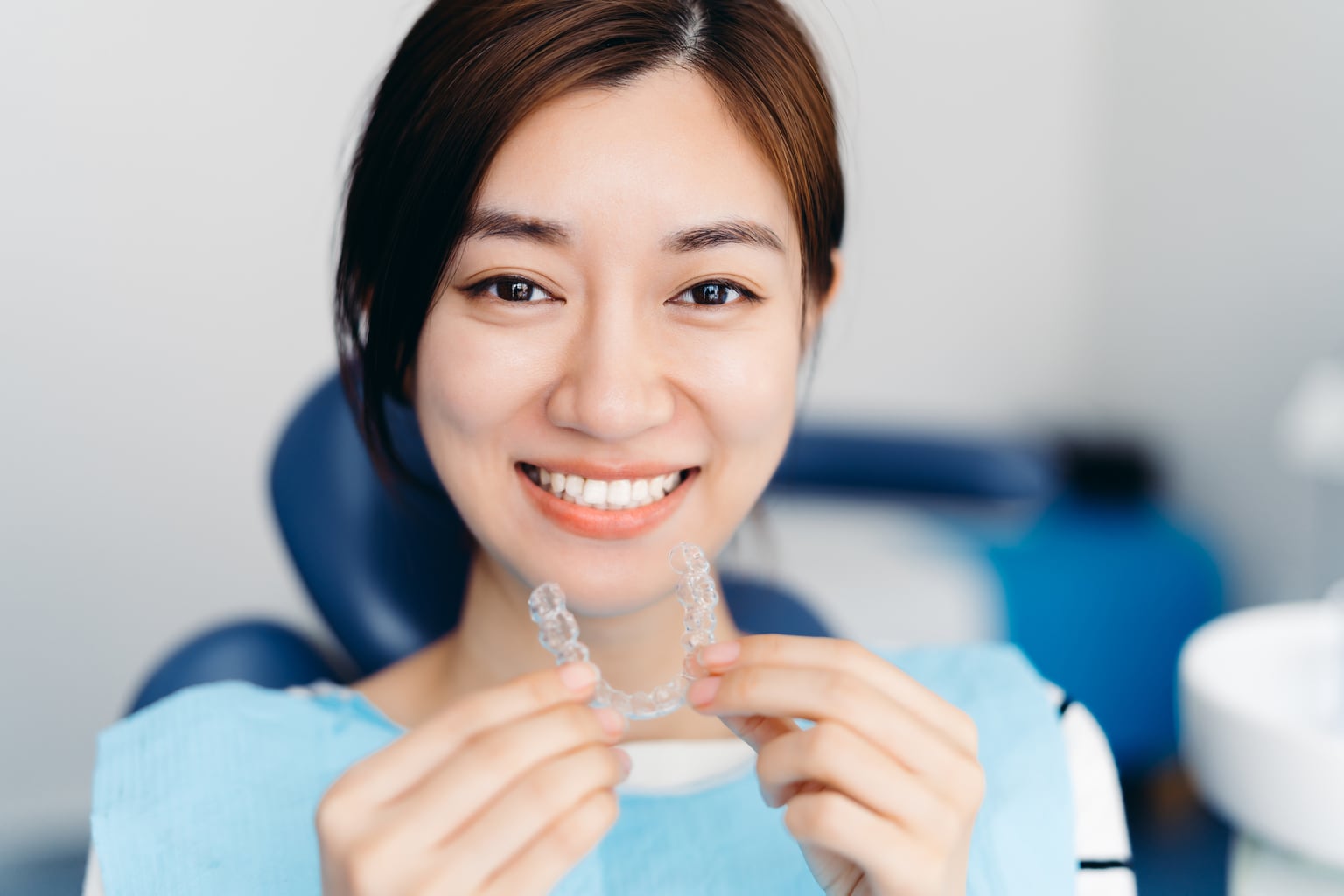
Invisalign for teens can work well for many teenagers, but it works only if the trays are in the mouth most of the day. The American Association of Orthodontists says aligners should be worn at least 22 hours a day and come out only for eating, drinking, brushing, and flossing. So the real question is rarely "Can a teen have Invisalign?" It is "Will this teen wear the trays, and does this bite suit them?"
Both parts of that question get answered at an exam. This guide explains how Invisalign Teen differs from adult Invisalign, which teens tend to do well with it, and when braces are the more reliable choice. If you are weighing the two options side by side, our guide to Invisalign vs. braces in Bakersfield covers the general comparison.
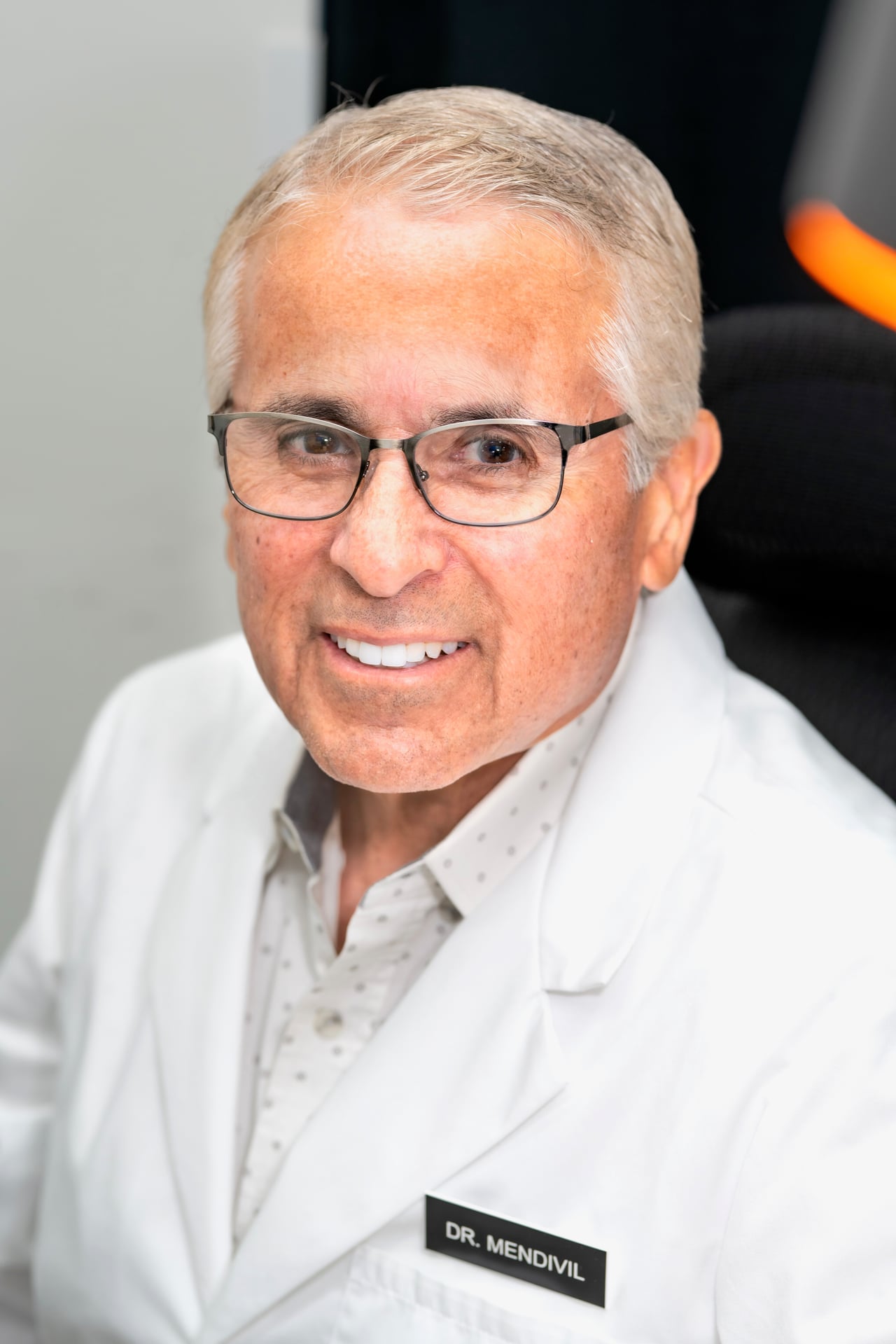
Invisalign Teen is a version of Invisalign designed for younger patients. Like the adult system, it uses a series of clear, removable plastic trays. Each tray is shaped to move the teeth a small step, and the patient switches to the next tray on a schedule. Dr. Mendivil is a certified Invisalign and Invisalign Teen provider.
Two features set the teen version apart:
The biology underneath is identical to braces. Steady, gentle pressure makes the bone around a tooth remodel so the tooth can shift. If you want the full explanation, see how braces move teeth. What changes is the tool, and how much of the result depends on the patient's daily habits.
There is no single age. What matters is dental development, not the birthday. Aligners are planned around the teeth a patient has, so an orthodontist wants to see enough permanent teeth in place to plan reliably. The ADA's MouthHealthy site notes that orthodontic treatment often begins between ages 8 and 14, and that abnormal bites usually become noticeable between ages 6 and 12.
A younger child who still has many baby teeth may be better served by an early check and a watch-and-wait plan. Our guide on whether your child needs braces explains when an early visit makes sense. For a teen with most permanent teeth in, aligners are often on the table.
Aligners tend to fit teens who:
The AAO lists gapped, crowded, or crooked teeth, overbite, underbite, open bite, and crossbite among the conditions aligners can treat, and adds that some cases are handled more predictably with braces, or with aligners combined with elastics (small rubber bands). Which group your teen falls into is a clinical judgment. For a refresher on those bite terms, see our explainer on overbite, underbite, and crossbite.
Braces are fixed to the teeth, so they work around the clock whether or not a teenager is feeling diligent that week. That is their main advantage, and it matters for teens.
Traditional braces or clear and gold braces are often the stronger recommendation when:
None of this is a judgment on a teenager's character. It is a practical match between the appliance and the real-life routine. A good orthodontist will say plainly when braces are the better fit, even if a teen was hoping for aligners.
The routine is simple, but it asks for a few new habits.
Bakersfield adds one local wrinkle. Summer heat can warp plastic, and a tray left on a car dashboard or in a hot backpack is a tray that may no longer fit. Keep the case out of parked cars, especially during the long Valley summers.
It happens, and it is not a reason to panic. Call the office. Whether to go back a step, move ahead, or get a replacement depends on where your teen is in the series, and the team can tell you which. Waiting and hoping the problem will fix itself usually costs more time than a quick call does.
Parents can help in a low-key way. A weekly glance at the blue dots, a quick "do you have your case?" before school, and a standing rule that trays go in the case and never in a pocket will prevent most problems. Treat it as logistics and not as a source of conflict.
For the right case, aligners can deliver a very good result. Treatment time also depends on the case, not the brand of appliance, so our post on how long braces take is a useful reference point for timelines. The honest answer is that effectiveness depends on two things: whether the bite suits aligners, and how consistently they are worn. When either one is shaky, the better recommendation may be braces.
Retainers matter just as much after aligners as after braces. Teeth move back without them, whatever the appliance was. See why retainers matter after braces.
Cost depends on the case and plan, so we do not publish a single number here. Dr. Mendivil's office accepts several dental insurance carriers, and the financing page explains insurance and payment options. The consultation is the place to get an answer specific to your teen.
Book an exam if:
Dr. Mendivil is a board-certified orthodontist who has practiced in Bakersfield since 1989. Treatment takes place in private rooms, and staff speak English and Spanish. At the first visit, he can look at your teen's bite, explain whether Invisalign Teen or braces fits best, and answer questions from both the parent and the teen.
You can schedule a free consultation whenever it suits your family. More answers are on the FAQ page. For more on how orthodontists approach aligners, the American Association of Orthodontists has a helpful page on aligners.
Keep reading
Clear braces vs. gold braces vs. metal: how each looks, holds up, and stains, plus how to choose the right bracket finish. A Bakersfield orthodontist's guide.
Read more
Overbite, underbite, crossbite and open bite explained in plain English: what each looks like, why it happens, and how Bakersfield orthodontists treat them.
Read more
How to brush and floss with braces, step by step: the right tools, a realistic routine, and what to do about white spots. From a Bakersfield orthodontist.
Read moreTalk it through
Bring your insurance card. We will walk through the bite, the timeline, and what is covered before any treatment starts.
Schedule a consultation