Treatment options
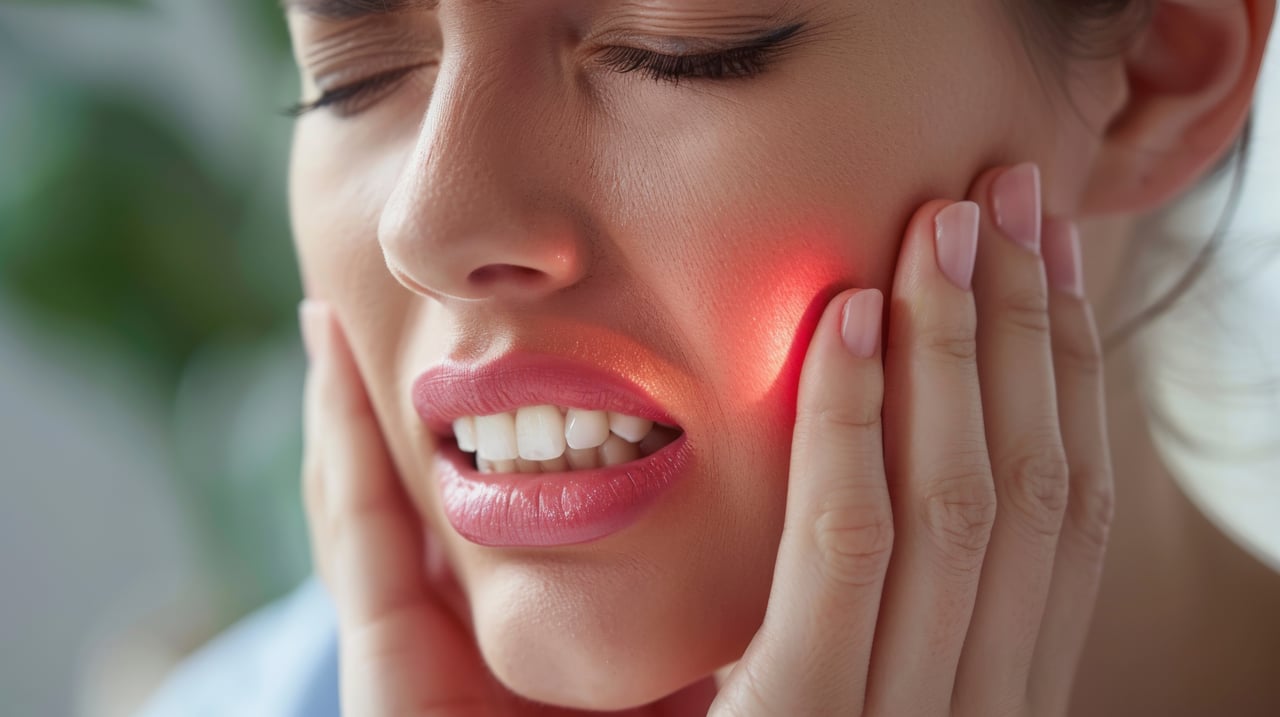
TMJ symptoms: signs your jaw joint needs a look
TMJ symptoms include jaw pain, locking, headaches and ear pain. Learn which signs are harmless, which deserve an exam, and what to expect in Bakersfield.
Read more
Blog
What the first week with braces really feels like, day by day: soreness, lip irritation, soft foods to eat, and when to call your Bakersfield orthodontist.

The first week with braces is mostly a story of three things: tight, tender teeth for the first two to four days, a mouth that needs time to get used to new hardware, and a menu that leans on yogurt. Soreness usually peaks early, fades well before the week is over, and is a sign the braces are doing their job rather than a sign something is wrong.
Here is the honest, day-by-day version for Bakersfield patients and parents, including what to eat, what to keep in your backpack, and the few things that are worth a phone call.
Think of the feeling after a hard workout, except it is in your teeth. The archwire (the thin metal wire that runs through the brackets) applies gentle, steady pressure, and your teeth and the tissue around them respond to it. That response is mild inflammation, and it is what makes teeth feel tight, a little tender, and sometimes slightly loose-feeling.
A typical pattern looks like this. Every patient is different, so treat it as a general guide rather than a promise.
Teeth can feel sore again after adjustment visits, though usually less than the first time, because the teeth are already on the move.
Teeth sit in sockets in the jawbone, cushioned by a thin elastic layer called the periodontal ligament. When braces apply light pressure, the ligament and bone start the slow work of remodeling, which means bone is broken down on one side of the root and rebuilt on the other so the tooth can travel. That process is what moves teeth, and the early soreness is the tissue reacting to it. Our post on how braces move teeth, and retainers after braces, go deeper into how that remodeling works.
Soreness that is steady and tolerable is normal. Sharp pain in one spot, or pain that is getting worse after day five, is worth a call to your orthodontist.
Soft, cool, and low-effort foods win. The goal is to give sore teeth very little to bite through.
Good choices for days 1 to 3:
Adding back on days 4 to 7: soft bread, tender chicken or fish, rice, quesadillas with soft fillings, and soft tortillas cut into small pieces.
On a hot Bakersfield afternoon, a cold smoothie or a frozen treat is useful for more than comfort: cold can take the edge off sore gums. Brush well after sugary options, though, because braces make it easier for sugar to linger around brackets.
These are the foods that most often break brackets or bend wires, and they apply for the full length of treatment, not only the first week:
You do not have to give up apples or corn forever. Slice the apple and cut the corn from the cob. Your orthodontist will tell you if any food needs to stay off the menu entirely for your case.
Brackets are small, but your cheeks and lips have never met them before. In the first week, the soft tissue rubs against the metal and can develop small irritated spots, similar to a blister. This is common and usually settles as the tissue toughens up.
Orthodontic wax is the standard fix. Here is how to use it:
A warm salt-water rinse (about half a teaspoon of salt in a glass of warm water) can help irritated spots feel better. Wax is for comfort only, and it does not fix a broken part. That distinction matters in the next section.
Most first-week experiences are normal. Here is how to tell the difference.
Normal in the first week:
Call your orthodontist if:
A loose bracket is usually a repair visit, not an emergency, but it is better to report it than to wait for your next scheduled adjustment. Our guide to what to do in a braces emergency covers each repair in detail. If a problem involves an injury to the mouth or face, or you are not sure how serious it is, contact the office, and if you cannot reach us, go to an emergency room.
Brushing feels awkward at first, which is exactly why it is tempting to skip. Do not skip it. Plaque collects quickly around brackets, and gums that are already tender will only get more irritated if food is left behind.
It takes most people a week or two to get fast at cleaning around braces.
A small pouch is enough, and it makes the week much easier:
For students, the kit is also useful on game days. Our guide to braces and school sports in Bakersfield covers mouthguards and what to do after a hit to the mouth.
Most people feel comfortable within a week or two, and many stop noticing their braces within the first month. Treatment itself is a longer road; our guide to how long braces take explains the timeline. If you are still deciding on the type of appliance, you can compare traditional braces, aesthetic options, or Invisalign. Questions about soreness and what to eat often show up in our FAQ as well.
If you or your child has crowded teeth, a bite that does not line up, or trouble chewing, an orthodontic exam is the best way to learn whether braces make sense. Dr. Guy Mendivil has practiced orthodontics in Bakersfield since 1989. Treatment takes place in private rooms, and bilingual staff are available in English and Spanish. The office is at 11901 Bolthouse Dr Suite 200, serving Seven Oaks, Stockdale, and greater Bakersfield.
If you are curious what a first visit involves, you are welcome to schedule a free consultation.
Keep reading
TMJ symptoms include jaw pain, locking, headaches and ear pain. Learn which signs are harmless, which deserve an exam, and what to expect in Bakersfield.
Read more
How to clean Invisalign aligners: what to use, what to avoid, how to handle Bakersfield heat, and what to do about cloudy, smelly, or stained trays.
Read more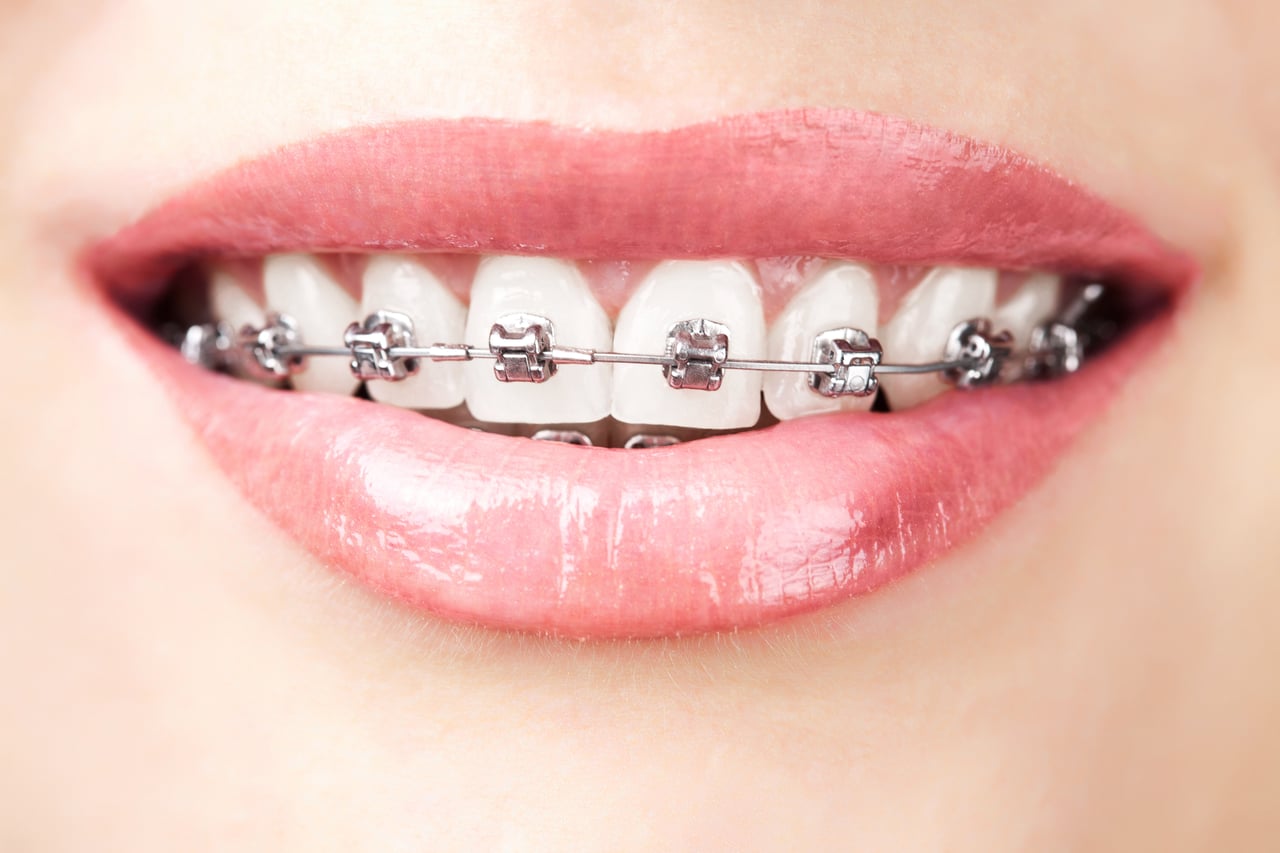
How do braces move teeth? Learn how gentle pressure remodels the bone around each root, why adjustments are weeks apart, and what speeds or slows treatment.
Read moreTalk it through

Bring your insurance card. We will walk through the bite, the timeline, and what is covered before any treatment starts.
Schedule a consultation