Treatment options
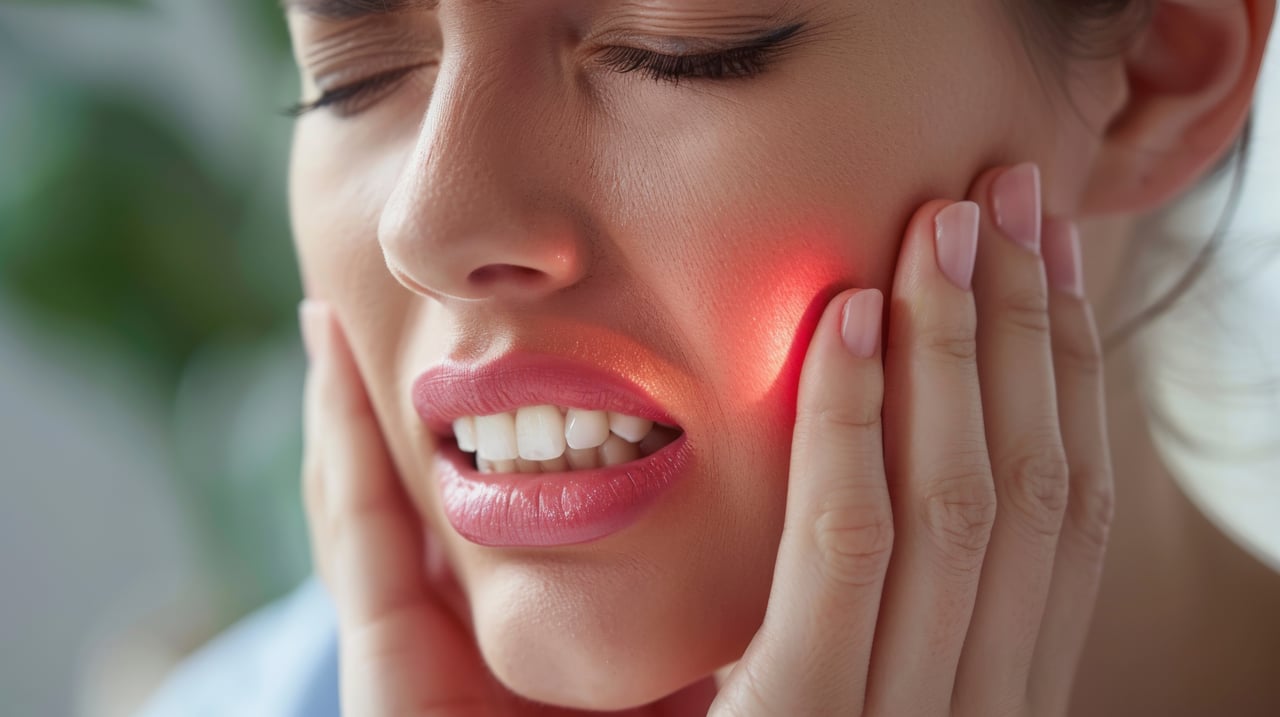
TMJ symptoms: signs your jaw joint needs a look
TMJ symptoms include jaw pain, locking, headaches and ear pain. Learn which signs are harmless, which deserve an exam, and what to expect in Bakersfield.
Read more
Blog
A guide for Bakersfield parents on playing sports with braces or Invisalign, choosing the right mouthguard, handling a hit to the mouth, and keeping treatment on track through the season.

Yes, students can play sports with braces. Football, soccer, basketball, baseball, softball, wrestling, cheer, water polo, and track are all compatible with orthodontic treatment when the right protection is in place.
Fall sports are underway at Stockdale, Liberty, Frontier, and other schools across Bakersfield, and many of the families we see are balancing practice schedules with a new set of braces. Here is what parents and athletes should know about mouthguards, contact, band and instruments, and keeping treatment on schedule through the season.
Yes, and it matters more with braces than without them. A blow to the mouth without protection can push the lips and cheeks into the brackets, which is the most common way athletes with braces get cut. A hard hit can also bend a wire, break a bracket, or in a serious case damage a tooth.
The American Association of Orthodontists recommends a mouthguard for any sport with a risk of contact, falls, or flying equipment. That covers the obvious ones like football and wrestling, and also basketball, soccer, baseball, softball, volleyball, and skateboarding.
A mouthguard does two jobs for an athlete with braces. It cushions the teeth and jaw from impact, and it keeps the soft tissue of the lips and cheeks away from the brackets and wires.
Not every mouthguard is a good fit for braces. The three common types behave differently.
These come pre-formed in a few sizes and go straight into the mouth. They are inexpensive but bulky, loose, and hard to breathe and talk around. They rarely sit well over braces and offer the least protection of the three.
These soften in hot water and are molded by biting down. They are widely available and work for many athletes without braces. With braces, the problem is that the material molds tightly around the brackets. As teeth move during treatment, the guard stops fitting, and a guard that has hardened around the hardware can be difficult to remove.
If a boil-and-bite guard is the only option, look for one labeled for braces. These are designed not to form around the brackets and leave room for the teeth to shift.
These are made specifically for athletes in braces. They use a softer material with a channel that sits over the brackets without molding to them, so the fit holds up as the teeth move. They are the most comfortable choice for most students in treatment and the one we typically point families toward.
Bring the mouthguard to an adjustment visit if you are unsure about the fit. The orthodontist can check whether it seats properly over the brackets and whether it still fits as treatment progresses.
Removable aligners create a different set of decisions. For non-contact sports, aligners can usually stay in during practice and games, and the athlete simply keeps up with the daily wear target.
For contact sports, the usual approach is to remove the aligners, wear a standard mouthguard, and put the trays back in immediately afterward. The trays should go into their case, not a pocket or gym bag, so they are not lost or crushed.
The tradeoff is wear time. Invisalign works only while it is in the mouth, and the target is about 22 hours per day. An athlete with a two-hour practice every afternoon plus games on the weekend can fall short quickly if the trays also come out for meals and snacks. Our Invisalign vs. braces guide explains why consistency is the main challenge with aligners.
Invisalign Teen can still be a good option for athletes who are motivated to wear the trays and want a removable appliance during the season. At a consultation, Dr. Mendivil weighs the sport, the schedule, and the individual student's habits before recommending aligners or fixed braces.
Yes. Band, orchestra, and marching band are all possible during treatment. Students who play brass or woodwind instruments usually need a week or two to adjust their embouchure, the way the lips and mouth form around the mouthpiece. Brass players tend to notice the change most because the mouthpiece presses the lips against the front teeth.
Orthodontic wax over the front brackets helps during the adjustment period, and most students are back to normal playing within a few weeks. A lip protector designed for brass players can also help. Invisalign is sometimes considered for serious wind and brass musicians, since it does not sit on the outside of the teeth, and the same compliance question applies.
Most impacts with a mouthguard in place cause no damage at all. When something does happen, here is what to do.
Our patient information page covers what counts as urgent between visits.
A busy season does not need to slow treatment down. A few habits make the difference.
Usually not. Braces are compatible with nearly every sport once a mouthguard is in place, and delaying treatment can mean missing a window when growth is helping the orthodontist. Talk to the office about the practice schedule, and ask about starting a week or two before a big tournament rather than the day before.
Most athletic mouthguards cover only the upper teeth, which take the majority of impacts. Some sports and some bites call for a guard on the lower teeth as well. The orthodontist can advise based on the sport and the appliance.
Yes. Wrestling has close contact with the mat and other athletes, so a properly fitted orthodontic mouthguard is essential, and wax on the front brackets can help protect the lips during matches.
Often, yes. Teeth move during treatment, and a guard that fit at the start of the season may not fit by the end. Check the fit regularly and replace a guard that has become loose, torn, or hard to seat.
Swimming needs no special precautions with braces or aligners. Water polo involves contact, so a mouthguard is recommended. Aligners should come out for water polo and go back in afterward.
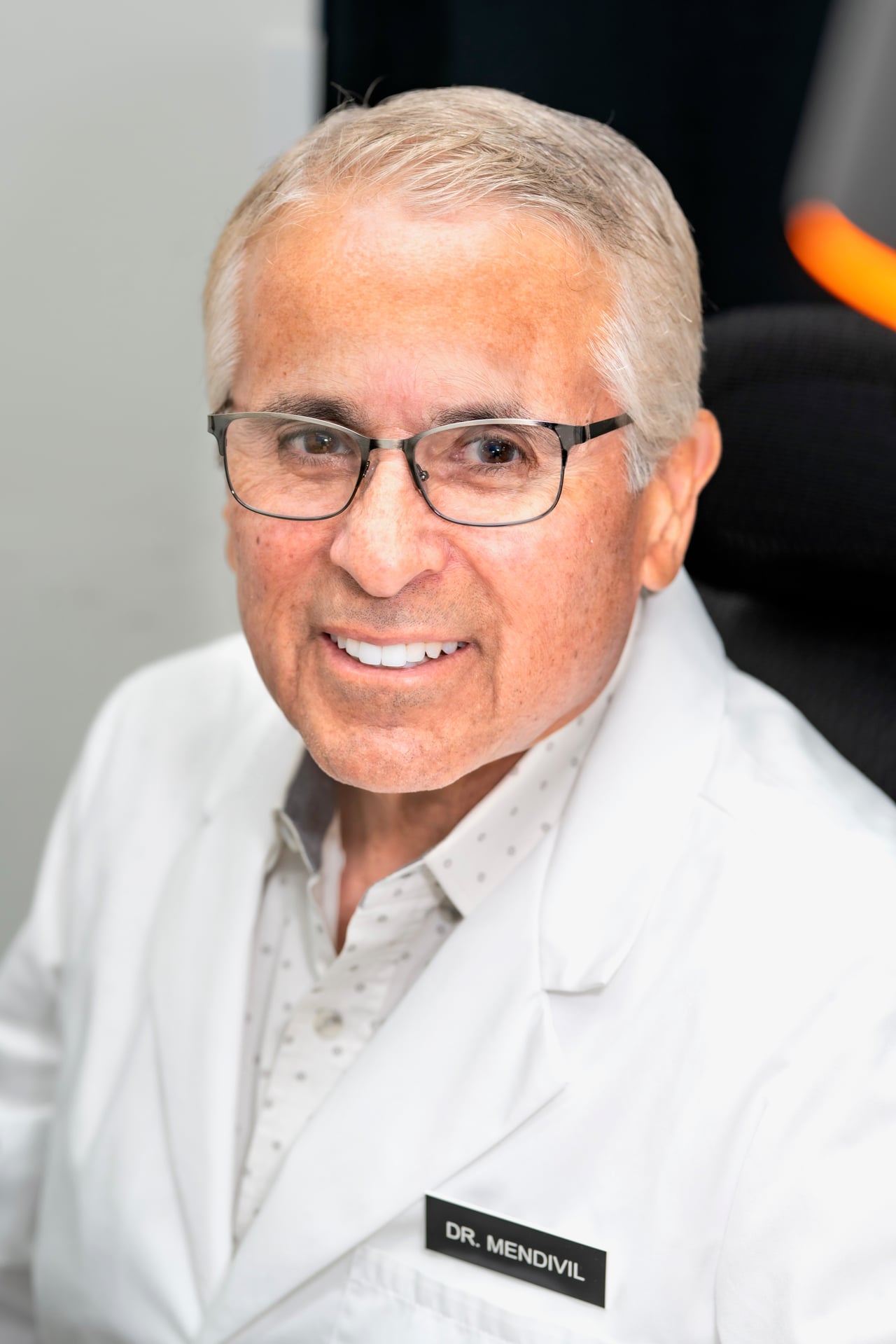
Dr. Guy Mendivil has practiced orthodontics in Bakersfield since 1989 and treats students from across Seven Oaks, Stockdale, and greater Bakersfield. Treatment takes place in private rooms, and bilingual staff are available in English and Spanish.
The office is located at 11901 Bolthouse Dr Suite 200, and same-day repair slots are held during office hours for athletes who need them.
Schedule a free consultation to plan treatment around the season, or to have a mouthguard checked for fit over braces.
Keep reading
TMJ symptoms include jaw pain, locking, headaches and ear pain. Learn which signs are harmless, which deserve an exam, and what to expect in Bakersfield.
Read more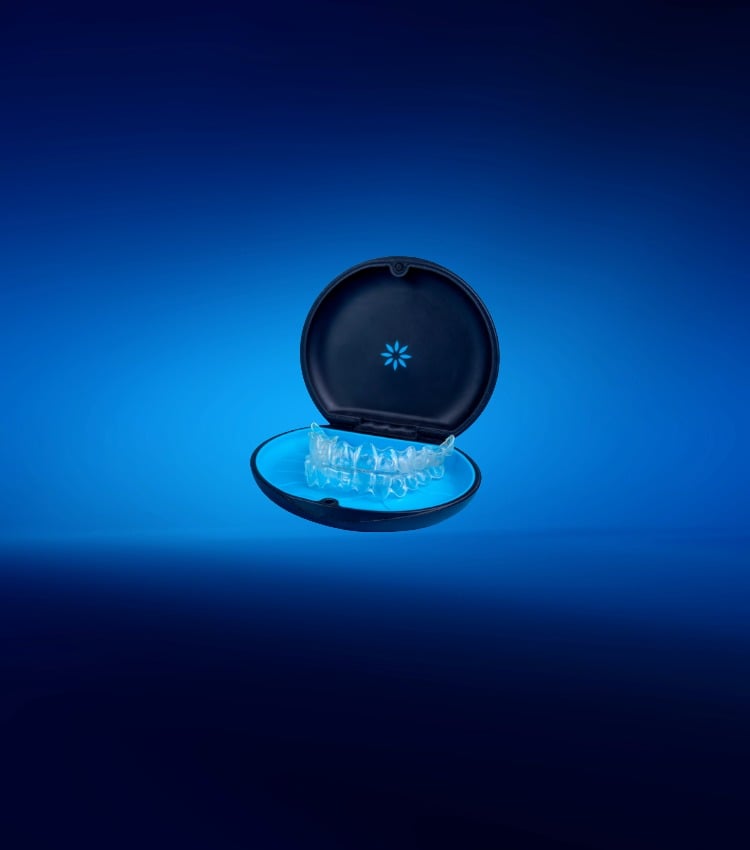
How to clean Invisalign aligners: what to use, what to avoid, how to handle Bakersfield heat, and what to do about cloudy, smelly, or stained trays.
Read more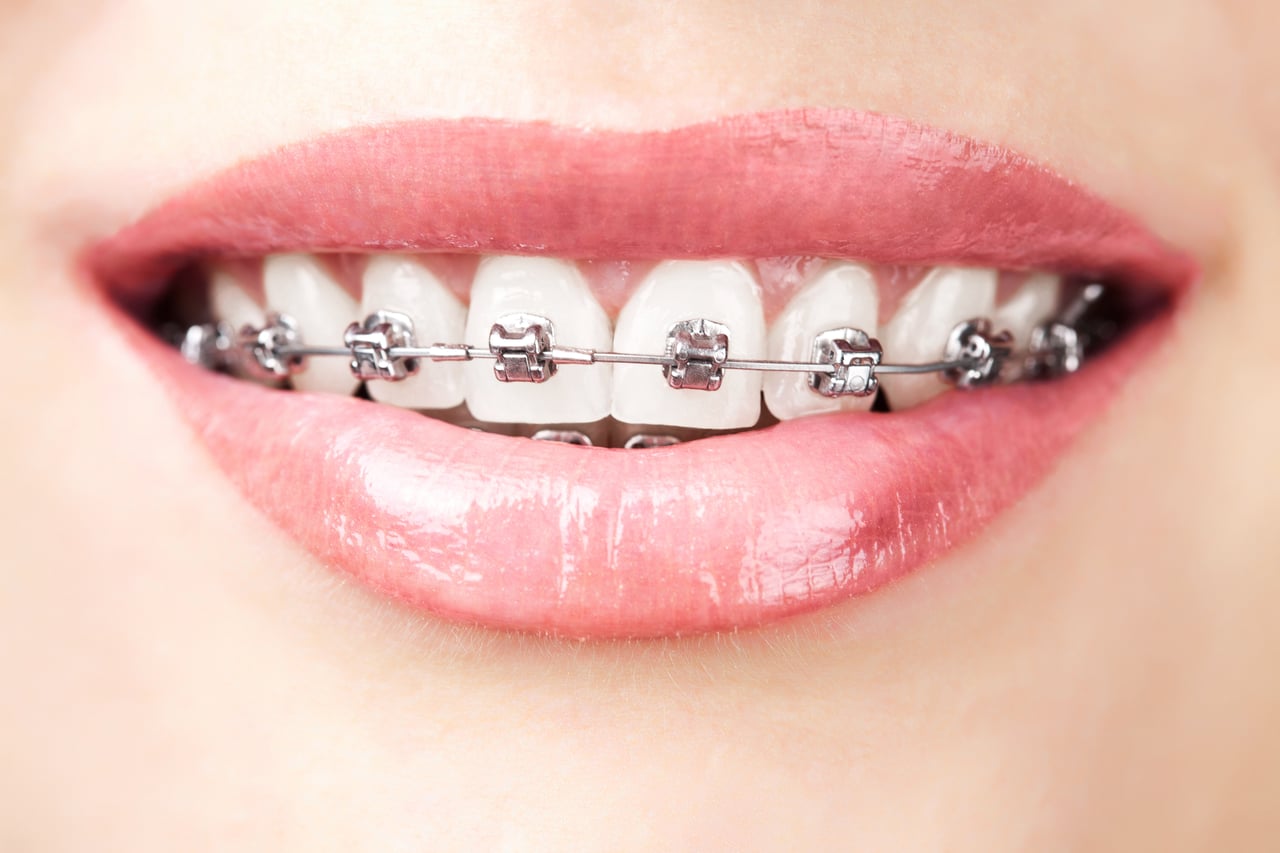
How do braces move teeth? Learn how gentle pressure remodels the bone around each root, why adjustments are weeks apart, and what speeds or slows treatment.
Read moreTalk it through
Bring your insurance card. We will walk through the bite, the timeline, and what is covered before any treatment starts.
Schedule a consultation