
Treatment timeline
How to Brush and Floss With Braces: A Practical Guide
How to brush and floss with braces, step by step: the right tools, a realistic routine, and what to do about white spots. From a Bakersfield orthodontist.
Read more
Blog
Learn how adult braces and Invisalign work, which options are available, and what Bakersfield patients should expect before starting treatment.

Yes, adults can get braces. Healthy teeth can be moved at almost any age, and adult orthodontic treatment may address crowding, spacing, a bite that does not fit evenly, or teeth that have shifted since earlier treatment.
Age is rarely the deciding factor. The more important questions are whether your teeth and gums are healthy enough for treatment, what your bite needs, and which appliance gives the orthodontist the right control.
The American Association of Orthodontists reports that 1 in 3 orthodontic patients is an adult. Here is what to know if you are considering braces or Invisalign in Bakersfield.
Some adults never had braces as children. Others had treatment years ago and have noticed changes after losing or stopping retainer wear. A new dental restoration, a missing tooth, or gradual changes in the bite can also make alignment worth revisiting.
Common reasons to schedule an adult orthodontic evaluation include:
These signs do not identify the right treatment by themselves. An orthodontist needs to examine the teeth, roots, gums, and bite before recommending braces, clear aligners, or another approach.
There is no fixed upper age limit. Adults in their 30s, 40s, 50s, and beyond may be candidates when their teeth and supporting tissues are healthy.
Adult treatment does differ from treatment during childhood. The jaws have finished growing, and adults are more likely to have crowns, implants, missing teeth, gum recession, or a history of dental work that needs to be included in the plan. Those factors may change the sequence or require coordination with a general dentist or another dental specialist. They do not automatically rule out orthodontic care.
Gum health deserves particular attention. The AAO notes that moving teeth when periodontal tissue is unhealthy can increase the risk of recession, root problems, or tooth loss. Active cavities and gum inflammation should be addressed before tooth movement begins.
The right appliance depends first on the diagnosis. After that, visibility, daily routine, and personal preference can help narrow the options.
Traditional braces use metal brackets bonded to the front of the teeth and an archwire that guides movement. Because they remain in place, they do not depend on remembering to put an appliance back in after meals.
They are often considered when a bite needs precise control, teeth require significant rotation or vertical movement, or the patient would rather not manage removable trays. Metal braces are visible, but they remain a reliable choice for straightforward and complex adult cases.
Aesthetic braces work with the same general bracket-and-wire method in a different finish. Clear ceramic brackets blend more closely with tooth enamel. Champagne gold and rose gold provide warmer metal finishes than traditional silver brackets.
These options can suit adults who want the control of fixed braces with a less traditional appearance. The bracket finish does not determine the treatment timeline; the bite and required movements do.
Invisalign uses a planned series of removable clear trays. Each aligner makes part of the prescribed movement before the patient changes to the next one.
Aligners can be removed for meals, brushing, and occasional events, which many adults find useful. That flexibility also creates responsibility: the trays need to be worn about 22 hours each day. Inconsistent wear can slow or stall progress.
Invisalign can treat many mild to moderate alignment concerns, but it is not the right appliance for every bite. Dr. Mendivil is a certified Invisalign provider and compares aligners with fixed braces after evaluating the case.
Lingual braces place brackets and wires on the back, or tongue side, of the teeth. From the front, the appliance is hidden.
They can be useful for adults whose work or social setting makes visible braces difficult and whose bite is suited to lingual treatment. They also require an adjustment period for speech and tongue comfort, and they are a more specialized option than front-facing braces or aligners.
Neither is universally better. The stronger choice is the one that can produce the needed movements and that you can manage consistently.
Fixed braces may fit you better when:
Invisalign may fit you better when:
Start with the bite rather than the product. An orthodontic consultation should explain which options can reach the same treatment goal and where the tradeoffs differ.
Traditional and aesthetic braces at Dr. Mendivil Orthodontics typically take about 18 to 30 months, depending on bite complexity. Most adult Invisalign cases take about 12 to 18 months. These are planning ranges, not guarantees.
A limited alignment case may finish sooner. A case involving a complex bite, impacted teeth, missing teeth, or coordination with other dental work may take longer. Your response to tooth movement and consistency with appointments, elastics, or aligner wear also matter.
Our detailed guide to how long braces take in Bakersfield explains each stage from records through retainers.
Orthodontic treatment should begin with a healthy foundation and a clear plan. Before starting, expect the following:
Your general dentist remains important during orthodontic treatment. Routine exams and cleanings continue while the orthodontist manages tooth movement and the bite. Our guide to dentists and orthodontists for braces explains how those roles work together.
Most adults continue their usual work, exercise, travel, and social routines. The main adjustment is building appliance care into the day.
With fixed braces, you will need to avoid foods that can loosen brackets or bend wires and clean carefully around the hardware. Short adjustment visits are generally scheduled every 4 to 8 weeks.
With Invisalign, trays come out for eating and brushing. They need to go back in promptly afterward, and you will need a reliable way to keep them clean and protected when they are not being worn. Check-in visits are generally every 6 to 10 weeks.
Both approaches may cause temporary pressure or tenderness when treatment starts or advances. If a wire breaks, a bracket loosens, or an aligner stops fitting as expected, contact the office rather than waiting for the next appointment.
Yes. Teeth naturally shift throughout life, including after successful braces or aligner treatment. A retainer holds the result after active tooth movement ends.
Retainer instructions vary by case, but long-term nighttime wear is common. Adults returning for treatment after earlier braces often already know how quickly teeth can move when a retainer is lost, damaged, or no longer worn. Our guide to retainers after braces explains why teeth shift.
Yes. Adults commonly return because teeth have shifted or the bite has changed. The orthodontist will determine whether a retainer adjustment, limited treatment, or a new course of braces or aligners is appropriate.
Existing dental work does not automatically prevent treatment. Crowns, implants, bridges, and missing teeth can affect which teeth may move and how the plan is sequenced. Bring information about prior dental work to the consultation so the orthodontist and dentist can coordinate.
No. Clear ceramic, gold, and rose-gold braces are available to adults as well as teens. Adults in professional settings often choose them when they want fixed braces with a different appearance.
Age by itself does not set the fee. Appliance choice, treatment length, case complexity, and insurance benefits shape the total. Read our guide to braces costs in Bakersfield for the main factors included in an estimate.
No referral is required to schedule an orthodontic evaluation with Dr. Mendivil Orthodontics. Your dentist's records may still be useful when care needs to be coordinated.
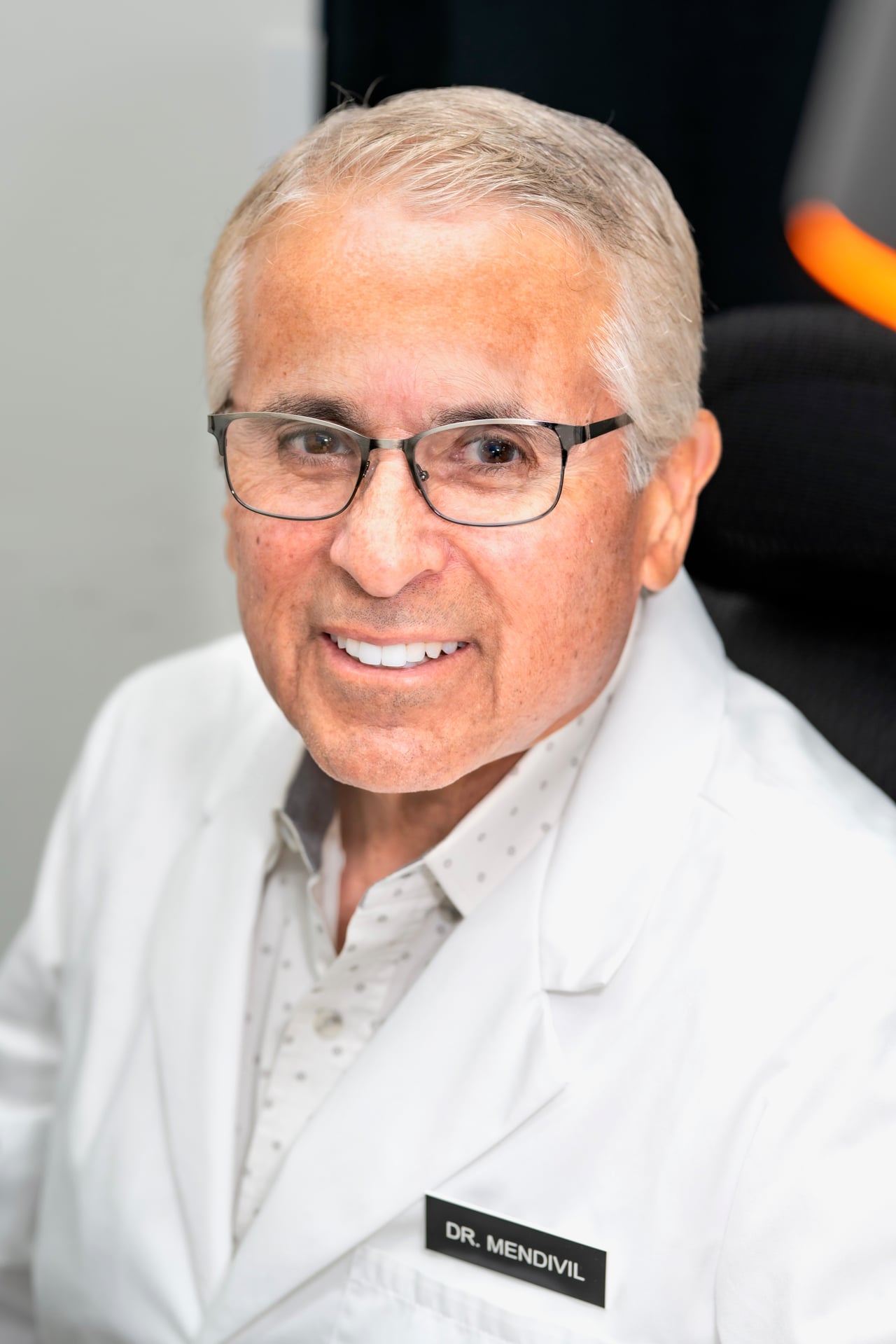
Dr. Guy Mendivil has practiced orthodontics in Bakersfield since 1989 and offers traditional braces, aesthetic braces, lingual braces, and Invisalign. Treatment takes place in private rooms, and bilingual staff are available in English and Spanish.
The office is located at 11901 Bolthouse Dr Suite 200, serving Seven Oaks, Stockdale, and greater Bakersfield.
Schedule a free consultation to have your teeth, bite, gum health, and previous dental work evaluated before choosing an appliance.
Keep reading
How to brush and floss with braces, step by step: the right tools, a realistic routine, and what to do about white spots. From a Bakersfield orthodontist.
Read more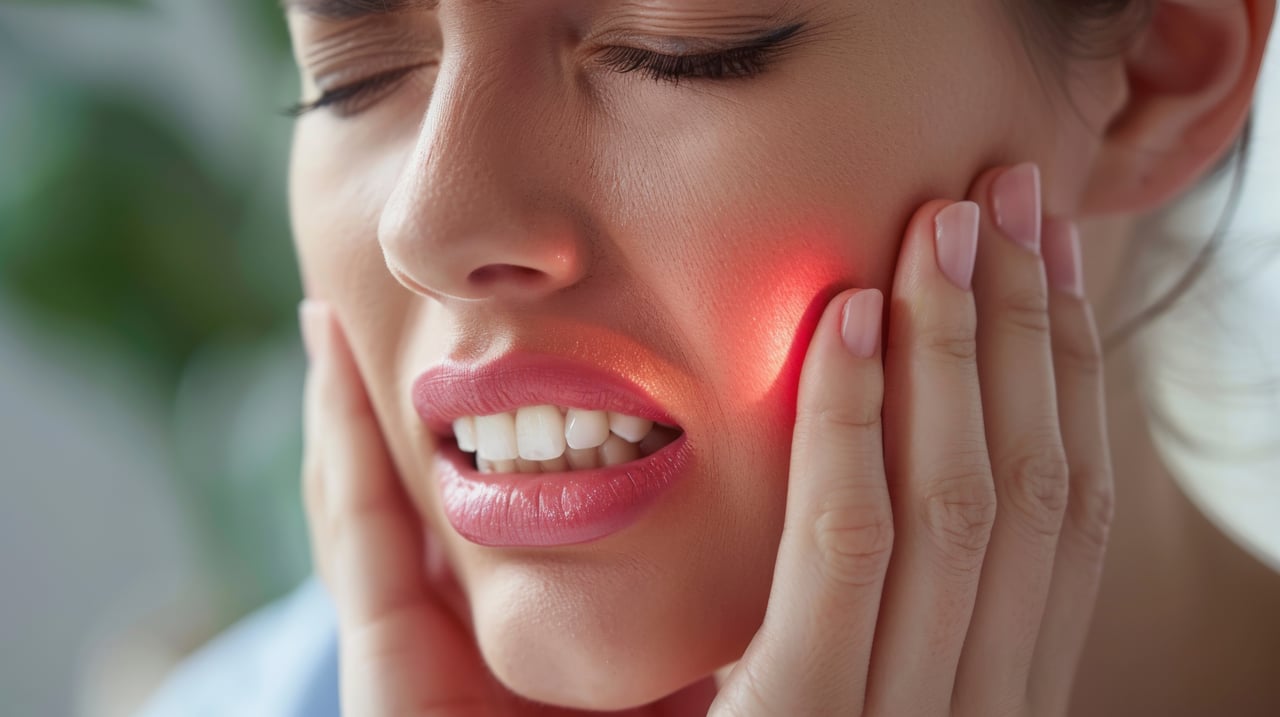
TMJ symptoms include jaw pain, locking, headaches and ear pain. Learn which signs are harmless, which deserve an exam, and what to expect in Bakersfield.
Read more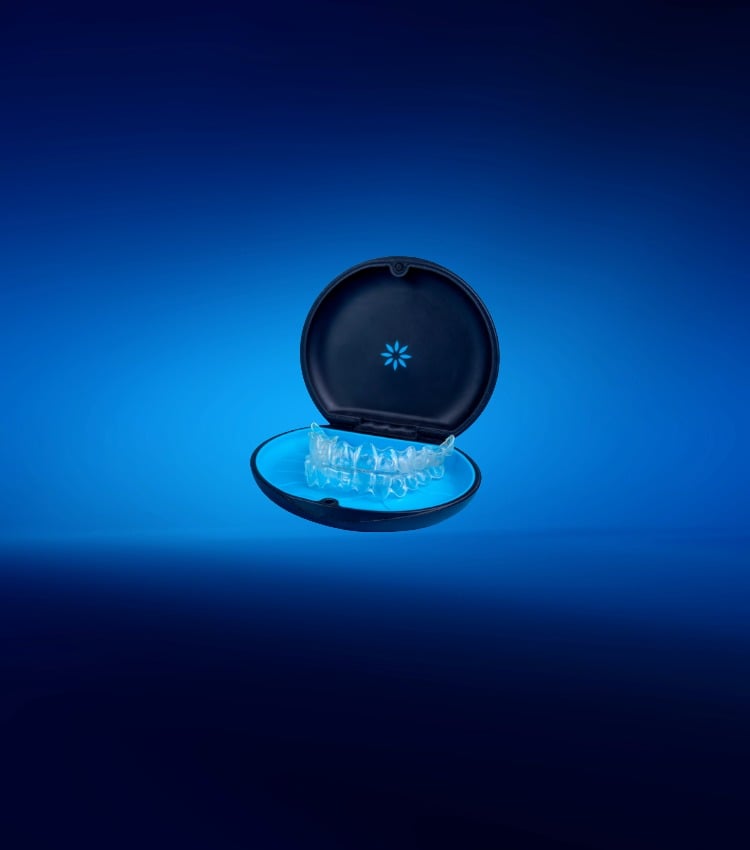
How to clean Invisalign aligners: what to use, what to avoid, how to handle Bakersfield heat, and what to do about cloudy, smelly, or stained trays.
Read moreTalk it through
Bring your insurance card. We will walk through the bite, the timeline, and what is covered before any treatment starts.
Schedule a consultation