
Treatment options
How to clean Invisalign aligners (and keep them clear)
How to clean Invisalign aligners: what to use, what to avoid, how to handle Bakersfield heat, and what to do about cloudy, smelly, or stained trays.
Read more
Blog
Learn the signs your child may need braces, why an orthodontic checkup is recommended by age 7, and what Bakersfield parents can expect at the first visit.

Crowded teeth, a noticeable overbite, or a tooth coming in at an unusual angle may lead you to wonder whether your child needs braces. Those signs are worth checking, but they do not tell you the full answer. An orthodontist needs to look at how the teeth, bite, and jaws are developing before recommending treatment.
The American Association of Orthodontists recommends that children have their first orthodontic checkup no later than age 7. That does not mean every seven-year-old needs braces. For many children, the right plan is simply to monitor growth and wait for the appropriate time.
Here is what Bakersfield parents can look for, why the timing of an evaluation matters, and what happens after that first visit.
You do not need to diagnose a bite problem at home. Still, certain changes can be a useful reason to schedule an orthodontic evaluation:
These signs do not automatically mean your child needs braces now. They mean an orthodontist should check what is visible and what may be developing below the surface. The American Association of Orthodontists identifies crowding, spacing, underbites, crossbites, jaw shifts, and teeth that do not meet normally among the concerns that can benefit from an early evaluation.
Around age 7, most children have a mix of baby and permanent teeth. The first adult molars and front teeth often provide enough information for an orthodontist to evaluate the developing bite, the room available for other permanent teeth, and the relationship between the upper and lower jaws.
This is a checkup, not a deadline for starting braces. An early look gives the orthodontist three possible paths:
The AAO notes that only a few orthodontic problems need correction around age 7. In many cases, the useful result of the visit is knowing that it is safe to wait.
Not for the first evaluation. Waiting until every permanent tooth has arrived can remove the opportunity to guide growth or make space at a useful stage of development.
That does not mean treatment should begin while baby teeth are present. The orthodontist may recommend observation until more permanent teeth erupt. The important distinction is between checking early and treating early. They are not the same thing.
If your child is already older than 7 and has never had an orthodontic evaluation, it is not too late. Children develop at different rates, and many begin treatment later in childhood or during their teenage years.
You do not need to wait for a seventh birthday when something looks or feels wrong. Consider an earlier evaluation if you notice:
Your child's general dentist can help identify developing concerns, but you do not need a dental referral to schedule an orthodontic checkup. Our guide to dentists and orthodontists for braces explains how the two professionals work together.
No. Two-phase treatment is reserved for cases in which doing something during growth can address a specific problem, followed by a later phase after more permanent teeth have erupted. It is not the default plan for every child.
When early treatment is appropriate, its purpose may be to guide jaw growth, correct a crossbite, improve the way the jaws fit together, or create room for permanent teeth. The second phase, if needed, typically focuses on final tooth alignment and bite detail.
Many children are better served by one well-timed phase of traditional braces or another orthodontic option. Others may only need observation. The decision should follow the diagnosis, not the child's birthday alone.
The first visit is designed to answer a few practical questions:
The orthodontist examines the teeth and how the bite comes together. They may also review existing dental images or recommend imaging when it is needed to see permanent teeth that have not erupted.
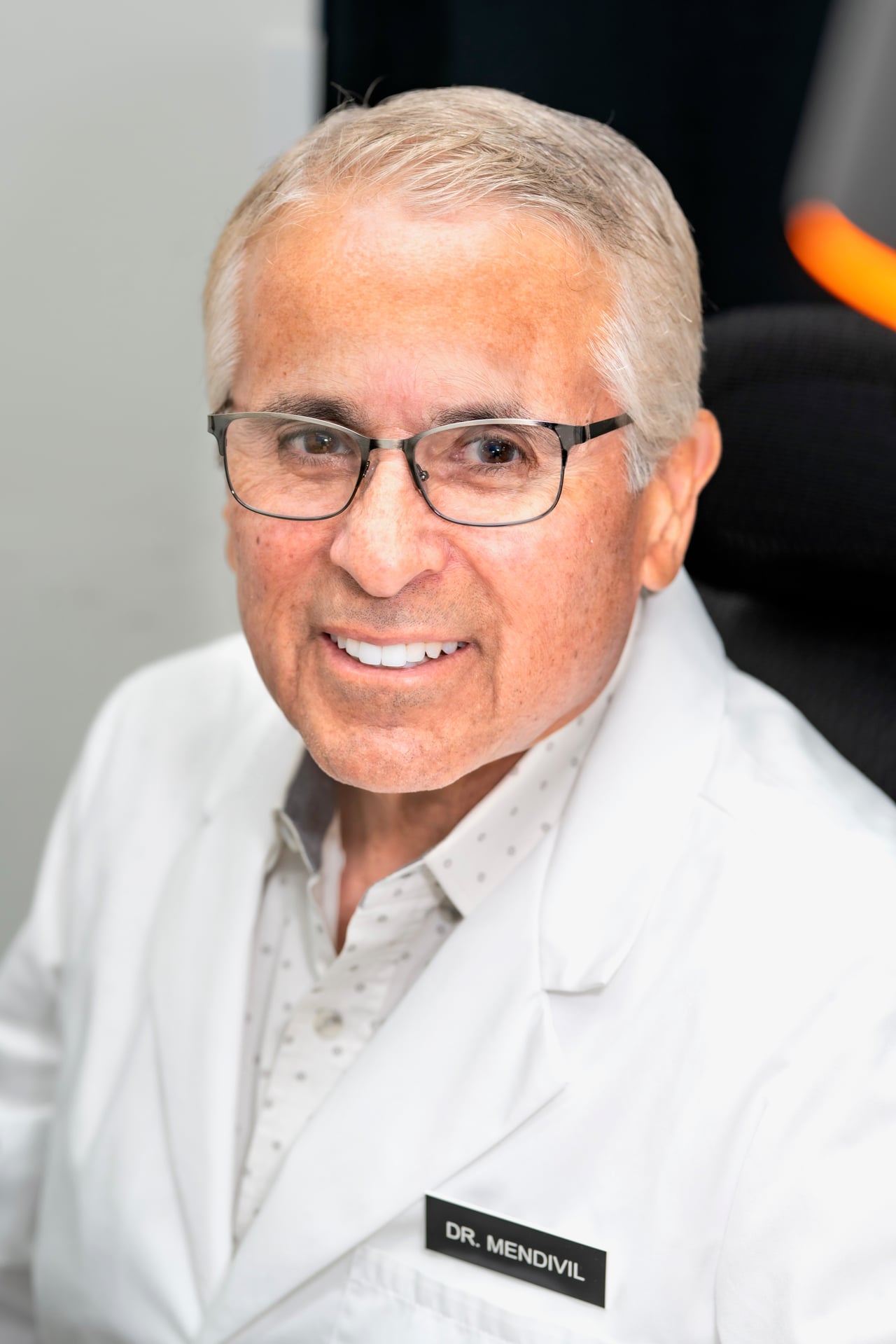
At Dr. Mendivil Orthodontics, parents can discuss the findings directly with Dr. Guy Mendivil, an orthodontic specialist who has practiced in Bakersfield since 1989. The office uses private treatment rooms, and bilingual staff are available in English and Spanish. The goal of the visit is a clear explanation of what is happening and what, if anything, should happen next.
The recommended appliance depends on the bite, the child's stage of growth, and the movements the orthodontist needs to make. Options may include fixed braces, a growth-guidance appliance, or clear aligners for an appropriate and responsible older child or teen.
Dr. Mendivil provides traditional braces, aesthetic braces, and Invisalign Teen. A consultation should explain why a particular option fits the diagnosis rather than starting with a product and working backward.
If treatment is recommended, ask about the expected timeline, appointment schedule, oral-hygiene responsibilities, retainers, total cost, and applicable insurance benefits. Our guides to braces costs in Bakersfield and monthly payment plans can help you prepare for that conversation. If your child is about to start, our guide to the first week with braces sets realistic expectations for soreness and food.
No. You may be able to see crowding, spacing, or a bite that does not line up, but other concerns are less obvious. An orthodontic exam is needed to determine whether treatment is necessary and when it should begin.
Age 7 is the recommended time for a first checkup, not a universal starting age for braces. Most children evaluated at that age do not immediately begin a full course of braces.
Straight-looking front teeth do not always mean the bite and jaw relationship are developing normally. An orthodontist also checks how the upper and lower teeth meet and whether permanent teeth have enough room to erupt.
No referral is required to schedule an evaluation with Dr. Mendivil Orthodontics. Your child's dentist remains important for cleanings, cavity prevention, and general oral health before and during orthodontic treatment.
Dr. Mendivil Orthodontics is located at 11901 Bolthouse Dr Suite 200, serving families in Seven Oaks, Stockdale, and greater Bakersfield. You can schedule a free consultation to have your child's teeth, bite, and stage of development evaluated.
Keep reading
How to clean Invisalign aligners: what to use, what to avoid, how to handle Bakersfield heat, and what to do about cloudy, smelly, or stained trays.
Read more
How do braces move teeth? Learn how gentle pressure remodels the bone around each root, why adjustments are weeks apart, and what speeds or slows treatment.
Read more
A poking wire or loose bracket is rarely a true braces emergency. Here is what to fix at home, what to save for a call, and when to head to the ER.
Read moreTalk it through
Bring your insurance card. We will walk through the bite, the timeline, and what is covered before any treatment starts.
Schedule a consultation