Aesthetic braces
Clear, gold, and rose gold options for a discreet finish.
Orthodontics
Brackets bonded to the back of the teeth instead of the front. Invisible from the outside, with the same predictability as traditional braces.
Schedule a consultationWhat it is
Lingual braces work the same way traditional braces do, except the brackets are bonded to the tongue-side of each tooth. From the front, no one can see them. They're a niche option — well suited to adults whose work or social context makes visible orthodontics impractical.
Is this for you
The visits
Step-by-step, so there are no surprises at the chair.
We confirm lingual braces are clinically appropriate for the bite and walk through the adjustment period honestly — speech and tongue comfort change in the first weeks.
Brackets are bonded to the back surface of each tooth. Plan for a longer chair-side visit than front-side braces — about 90 minutes.
Routine adjustment visits every 4 – 8 weeks, similar to traditional braces.
Retainer wear after treatment is essential. The result lasts as long as the retention does.
Common questions
There's a noticeable adjustment in the first one to three weeks — a slight lisp on certain sounds is common. The tongue adapts and speech normalizes.
The tongue brushes against the hardware, so there's some tongue soreness for the first couple of weeks. Wax helps. After that, comfort is similar.
Cost, longer chair time, and the speech adjustment make them a niche choice. For patients where the front-of-tooth appearance is the deciding factor, they're a strong fit.
Related care
Clear, gold, and rose gold options for a discreet finish.
Removable clear aligners — 3D scan, no putty.
Reliable metal brackets for bites that need them.
From the blog
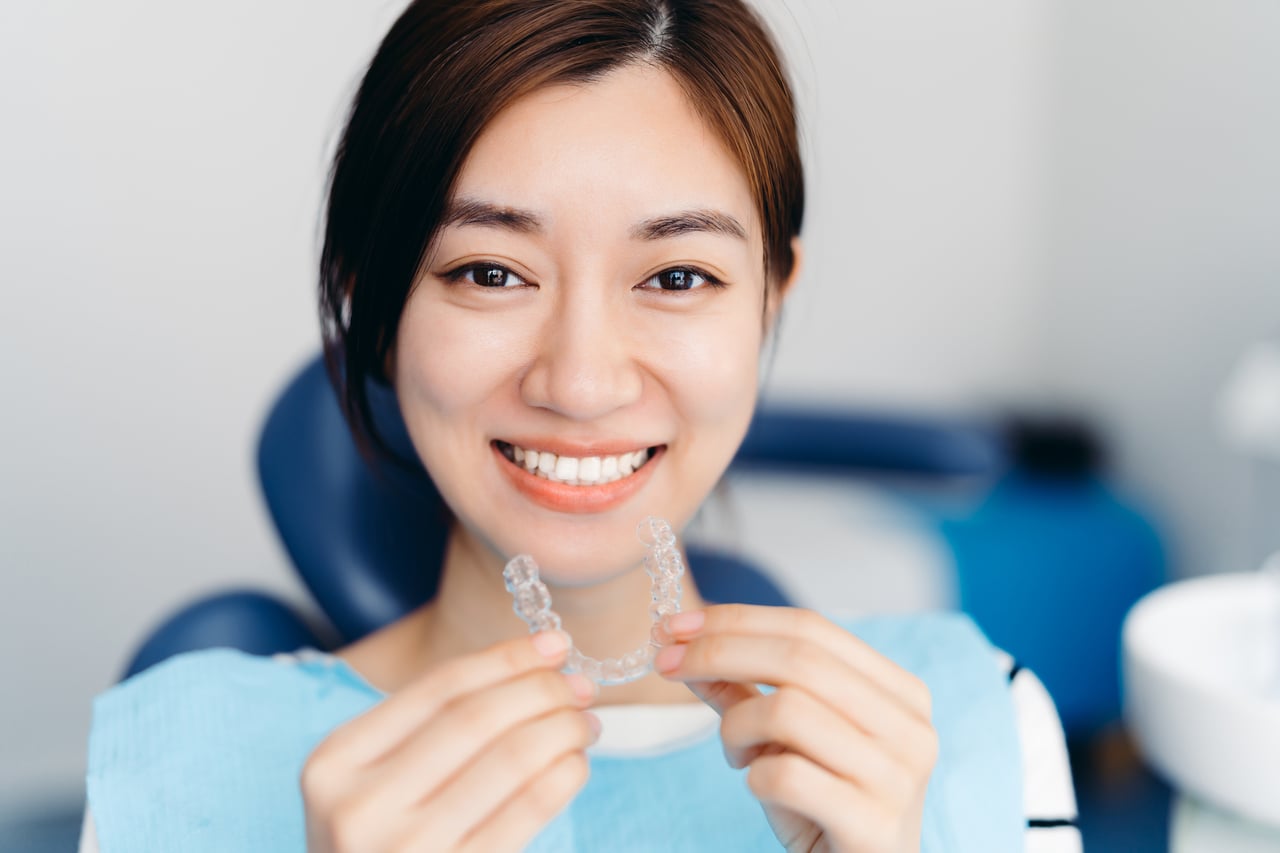
Compare Invisalign and braces on how they move teeth, which bites each handles, daily wear, timeline, and cost, and learn how a Bakersfield orthodontist decides between them.
Read more
Learn how adult braces and Invisalign work, which options are available, and what Bakersfield patients should expect before starting treatment.
Read more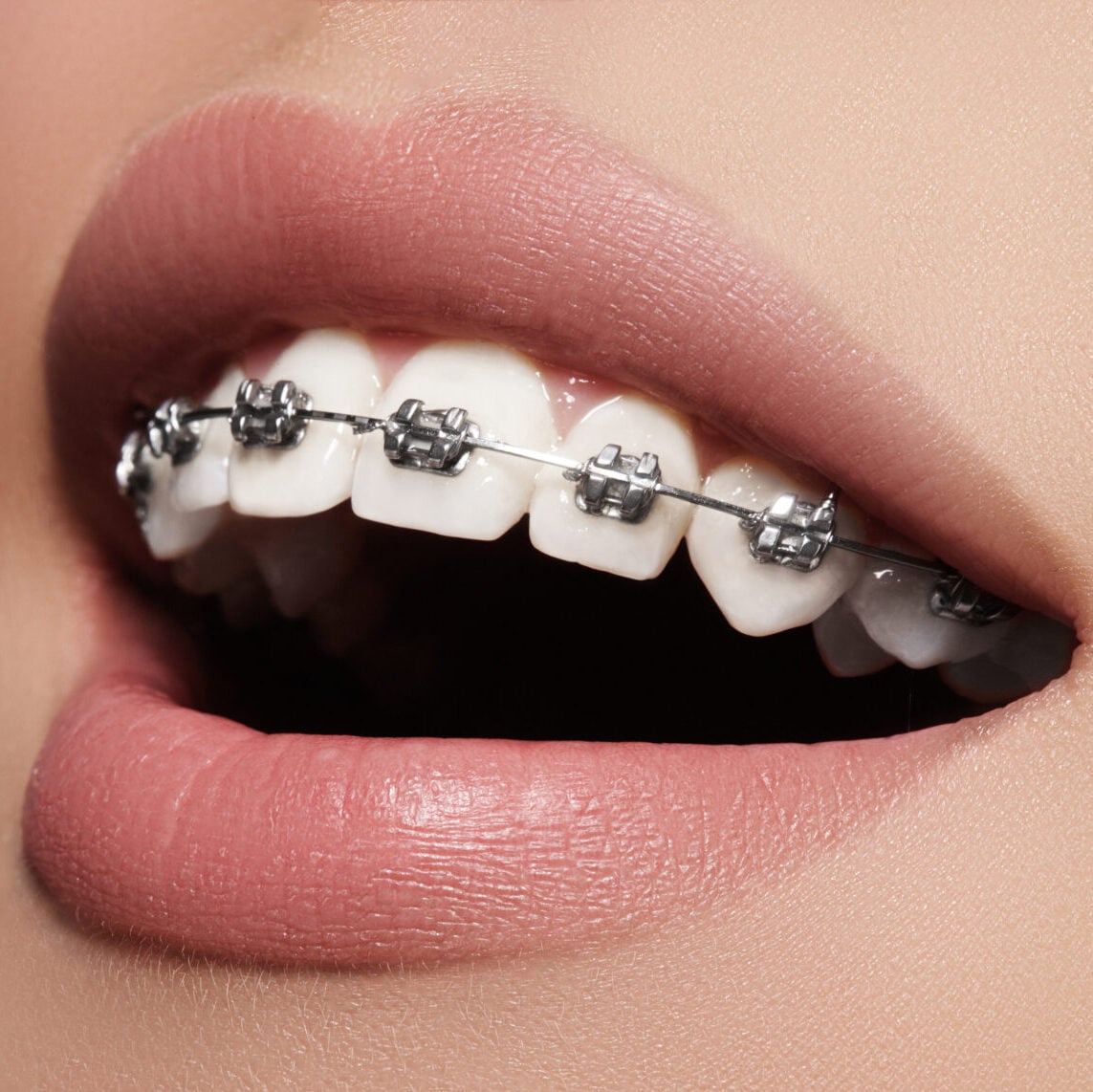
A plain-English look at what orthodontic treatment typically costs in Bakersfield — what drives the range, what insurance usually covers, and how Dr. Mendivil Orthodontics walks through pricing at a consultation.
Read moreNext step
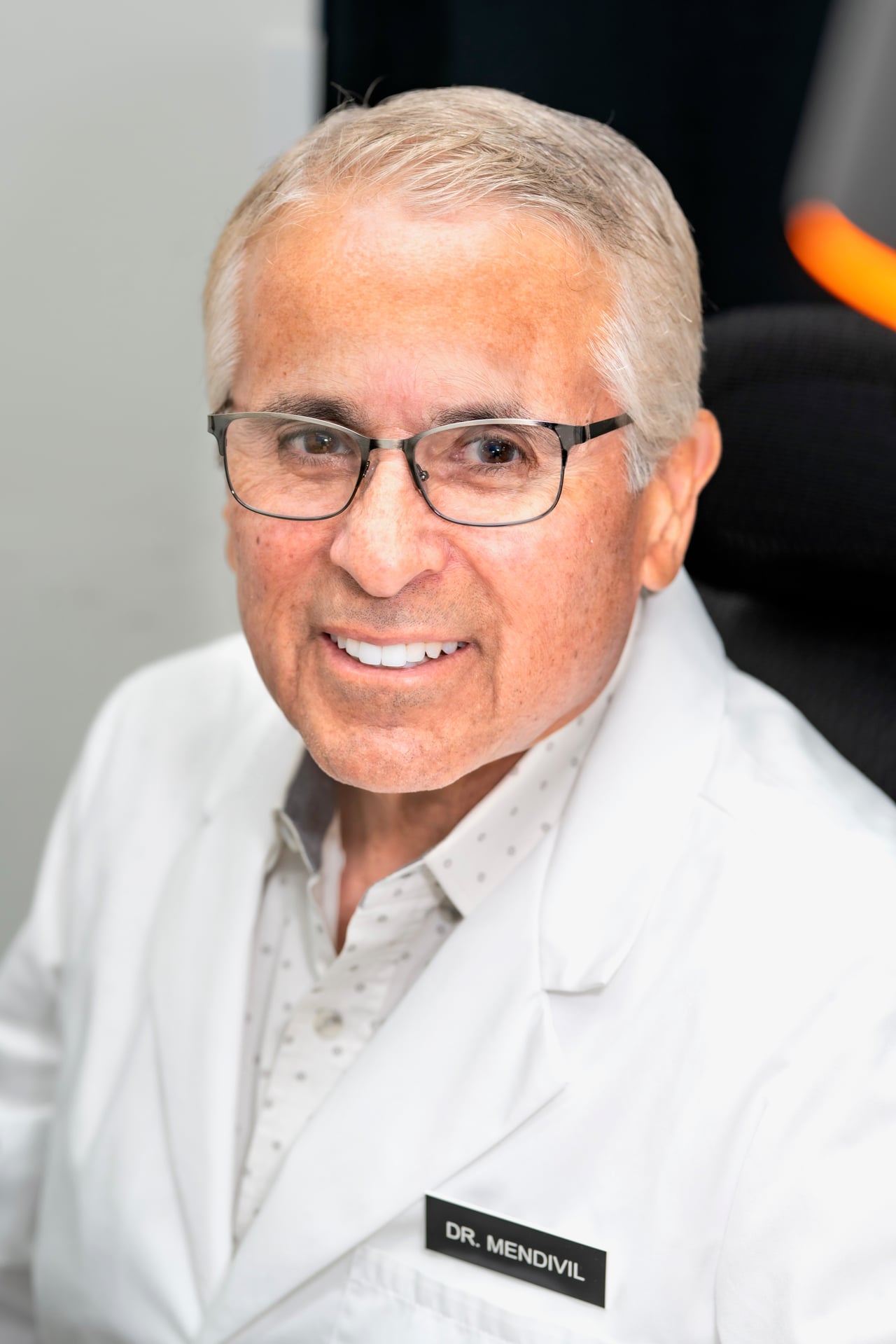
Bring your insurance card. We will walk through the bite, the timeline, and what is covered before any treatment starts.
Schedule a consultation