
Treatment timeline
Braces emergency: what to do about broken wires and brackets
A poking wire or loose bracket is rarely a true braces emergency. Here is what to fix at home, what to save for a call, and when to head to the ER.
Read more
Blog
Learn when to see a dentist and when to see an orthodontist for braces or Invisalign, including the training difference and questions to ask before treatment.
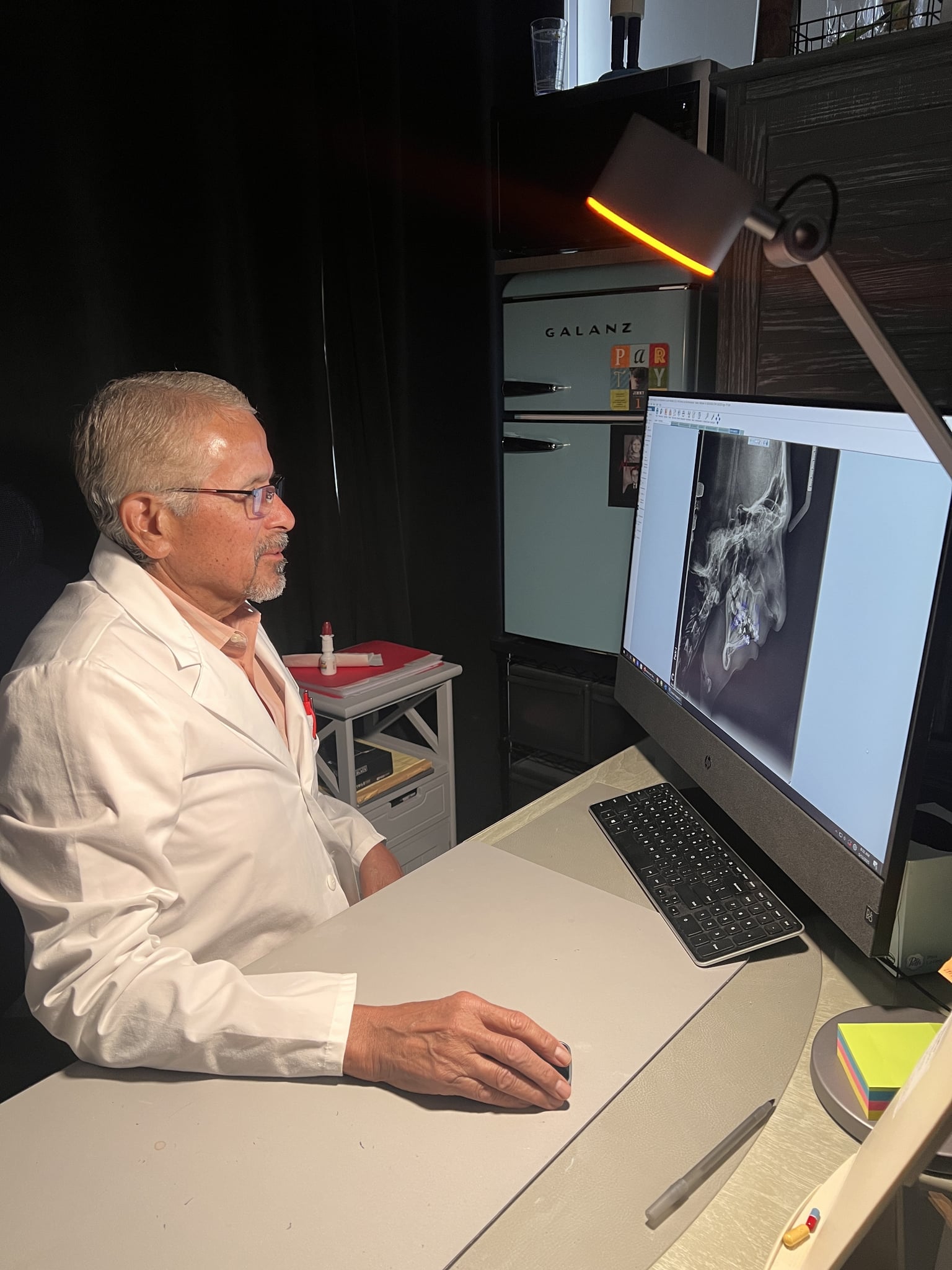
If you are considering braces or Invisalign, an orthodontist is the specialist trained specifically to diagnose tooth alignment and bite problems and plan how the teeth and jaws should move. Your general dentist still plays an important role: keeping your teeth and gums healthy before, during, and after orthodontic treatment.
The simplest answer is that you usually want both professionals involved, for different reasons. Here is how to tell which one to call first.
Both dentists and orthodontists graduate from dental school. An orthodontist then completes an accredited orthodontic residency focused on tooth movement, bite correction, jaw growth, and treatment planning. The American Association of Orthodontists describes that additional specialty training as 24 to 36 months after dental school.
The American Dental Association recognizes orthodontics and dentofacial orthopedics as the dental specialty that diagnoses, prevents, and corrects problems with the bite, teeth, and supporting facial structures.
In practical terms:
This is not a contest between two professions. It is the same kind of division of responsibility you see elsewhere in health care: primary care handles the broad picture, while a specialist concentrates on a narrower problem.
For a decision about moving teeth or correcting a bite, start with an orthodontic evaluation. The appliance is only one part of treatment. The more important work is diagnosing why the teeth are out of position and deciding how each movement will affect the rest of the bite.
An orthodontist can compare options such as traditional braces, aesthetic braces, and Invisalign against the same diagnosis. That matters because the option you prefer may not be the one that gives the doctor the control your bite requires.
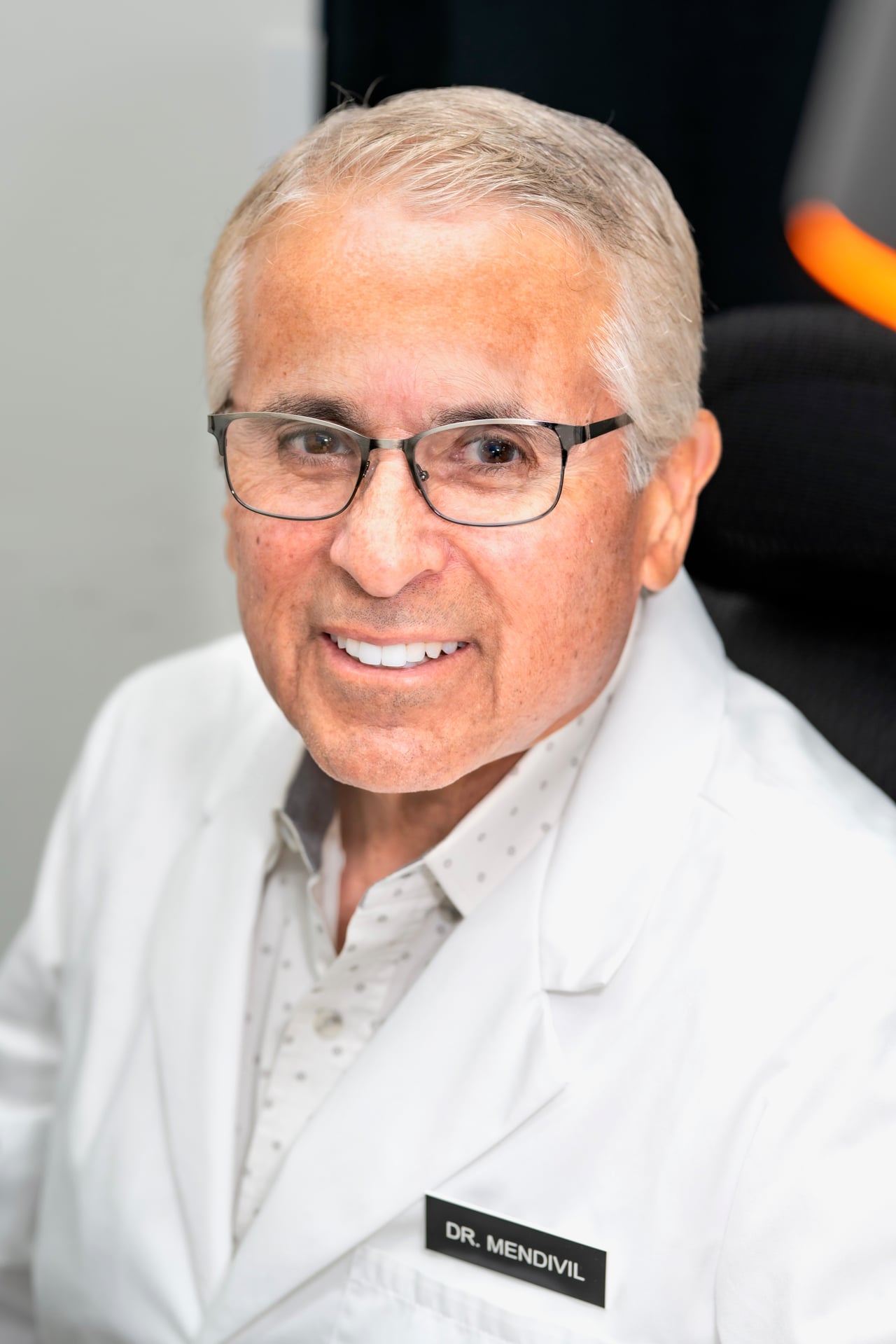
Dr. Guy Mendivil is an orthodontic specialist and an AAO member. He has practiced in Bakersfield since 1989 and is also a certified Invisalign and Invisalign Teen provider. That means patients can discuss fixed braces and clear aligners in one evaluation rather than beginning with a product and working backward.
Every case deserves a diagnosis, even when the concern looks small in the mirror. A specialist evaluation becomes especially important when:
These signs do not tell you which treatment you need. They tell you that the diagnosis should come before the appliance choice. Dr. Mendivil's practice also provides TMJ treatment and consultative orthodontic continuity for complex cases, with surgical phases referred to appropriate specialty centers when needed.
They should. Orthodontic treatment moves teeth, but those teeth still need routine dental care.
Your dentist may identify crowding or a bite concern during an exam and suggest an orthodontic evaluation. Before braces or aligners begin, the dentist may also need to address cavities or gum inflammation. During treatment, regular exams and cleanings remain important because brackets, wires, and aligner attachments create new areas that need careful cleaning.
The orthodontist then manages the movement plan, monitors the bite, and adjusts the appliance. If a dental issue appears during treatment, the two offices can coordinate the sequence of care.
Dr. Mendivil Orthodontics also provides general dental care in Bakersfield, so orthodontic and routine dental needs can be discussed in the same practice. Patients who already have a general dentist can continue seeing that dentist; the goal is clear coordination, not replacing a relationship that works.
Credentials matter, but so does the clarity of the plan. Bring these questions to any orthodontic consultation:
A consultation should answer three questions: what is happening with the bite, which treatment options are appropriate, and what the expected timeline and cost look like for your case.
At Dr. Mendivil Orthodontics, the consultation is free. The team can review your insurance information and explain the treatment choices before anything starts. The practice accepts Blue Shield of California, Delta Dental, Anthem Blue Cross, Premier Access, MetLife, Guardian, Liberty Dental Plan, and Medi-Cal & Covered California.
The office is at 11901 Bolthouse Dr Suite 200 in Bakersfield, serving Seven Oaks, Stockdale, and the surrounding area. Treatment takes place in private rooms, and bilingual staff are available in English and Spanish.
If you are unsure whether your concern belongs with a dentist or an orthodontist, schedule a free consultation. The first useful step is a clear diagnosis; the appliance decision comes after that.
Yes. Every orthodontist first completes dental school, then completes additional full-time specialty education in orthodontics. Not every dentist is an orthodontist.
Some general dentists provide orthodontic services. Offering an appliance, however, is different from completing an accredited orthodontic residency. Ask about the provider's formal specialty training and who will diagnose and monitor the bite throughout treatment.
Yes. Orthodontic visits do not replace routine dental exams and cleanings. Your dentist monitors tooth and gum health while your orthodontist manages tooth movement and the bite.
No referral is required to schedule with Dr. Mendivil Orthodontics. You can contact the practice directly, although information from your dentist can be helpful when the two offices need to coordinate care.
Keep reading
A poking wire or loose bracket is rarely a true braces emergency. Here is what to fix at home, what to save for a call, and when to head to the ER.
Read more
What the first week with braces really feels like, day by day: soreness, lip irritation, soft foods to eat, and when to call your Bakersfield orthodontist.
Read more
Do you really need a retainer after braces? Learn the science of why teeth shift, how long to wear retainers, and what to do if yours is lost or tight.
Read moreTalk it through
Bring your insurance card. We will walk through the bite, the timeline, and what is covered before any treatment starts.
Schedule a consultation