Aesthetic braces
Clear, gold, and rose gold options for a discreet finish.
Orthodontics
Metal brackets and archwires remain the most reliable way to move teeth for the bites that need them. Brought up to current standards.
Schedule a consultationWhat it is
Traditional braces use small metal brackets bonded to each tooth and a thin archwire connecting them. The wire applies steady, gentle pressure that moves the teeth into position over months. They're the most predictable option for complex bites — and they're still our first recommendation when the alignment calls for it.
Is this for you
The visits
Step-by-step, so there are no surprises at the chair.
We take panoramic and intraoral x-rays, discuss the bite, and walk through what treatment will look like — including the timeline and what your insurance covers.
Brackets are bonded to each tooth and the first archwire is placed. No anesthesia required. Plan for about an hour in the chair.
Short visits — usually 15 to 30 minutes — to swap or tighten the wire and check progress.
Once teeth are in position, a retainer holds them there. Most patients wear a retainer nightly long-term — that's how the result is kept.
Common questions
Most cases run 18 – 30 months. Simpler alignment can finish faster; complex bites take longer. We give you a specific estimate at the consultation.
There's soreness for a few days after bonding and after each adjustment — over-the-counter pain relief and soft foods handle it. After the first week it's manageable.
Yes. A mouthguard is recommended for contact sports. Wind-instrument players adjust within a couple of weeks.
Related care
Clear, gold, and rose gold options for a discreet finish.
Removable clear aligners — 3D scan, no putty.
Certified Invisalign Teen provider — designed around growing teeth.
From the blog
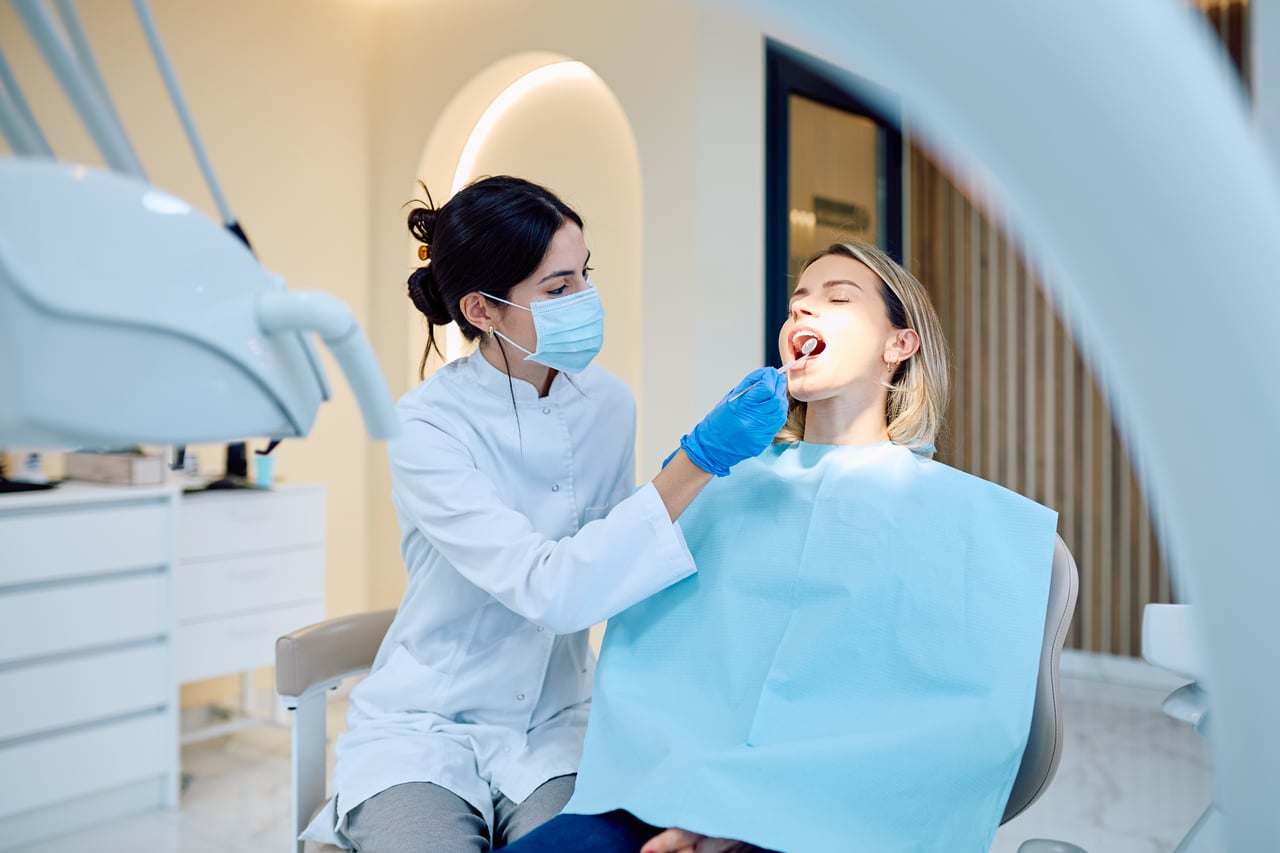
A poking wire or loose bracket is rarely a true braces emergency. Here is what to fix at home, what to save for a call, and when to head to the ER.
Read more
What the first week with braces really feels like, day by day: soreness, lip irritation, soft foods to eat, and when to call your Bakersfield orthodontist.
Read more
A guide for Bakersfield parents on playing sports with braces or Invisalign, choosing the right mouthguard, handling a hit to the mouth, and keeping treatment on track through the season.
Read moreNext step
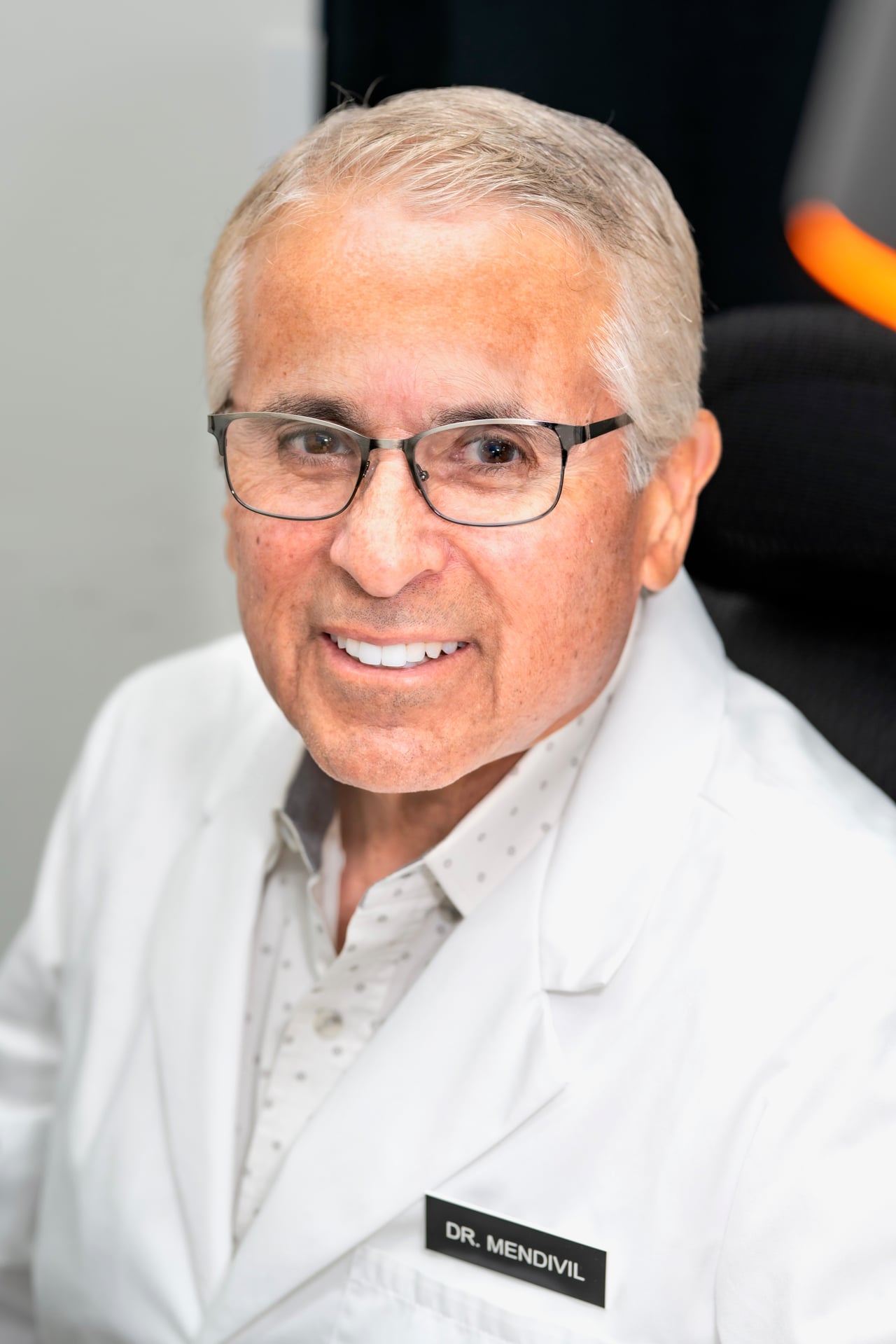
Bring your insurance card. We will walk through the bite, the timeline, and what is covered before any treatment starts.
Schedule a consultation