Treatment timeline
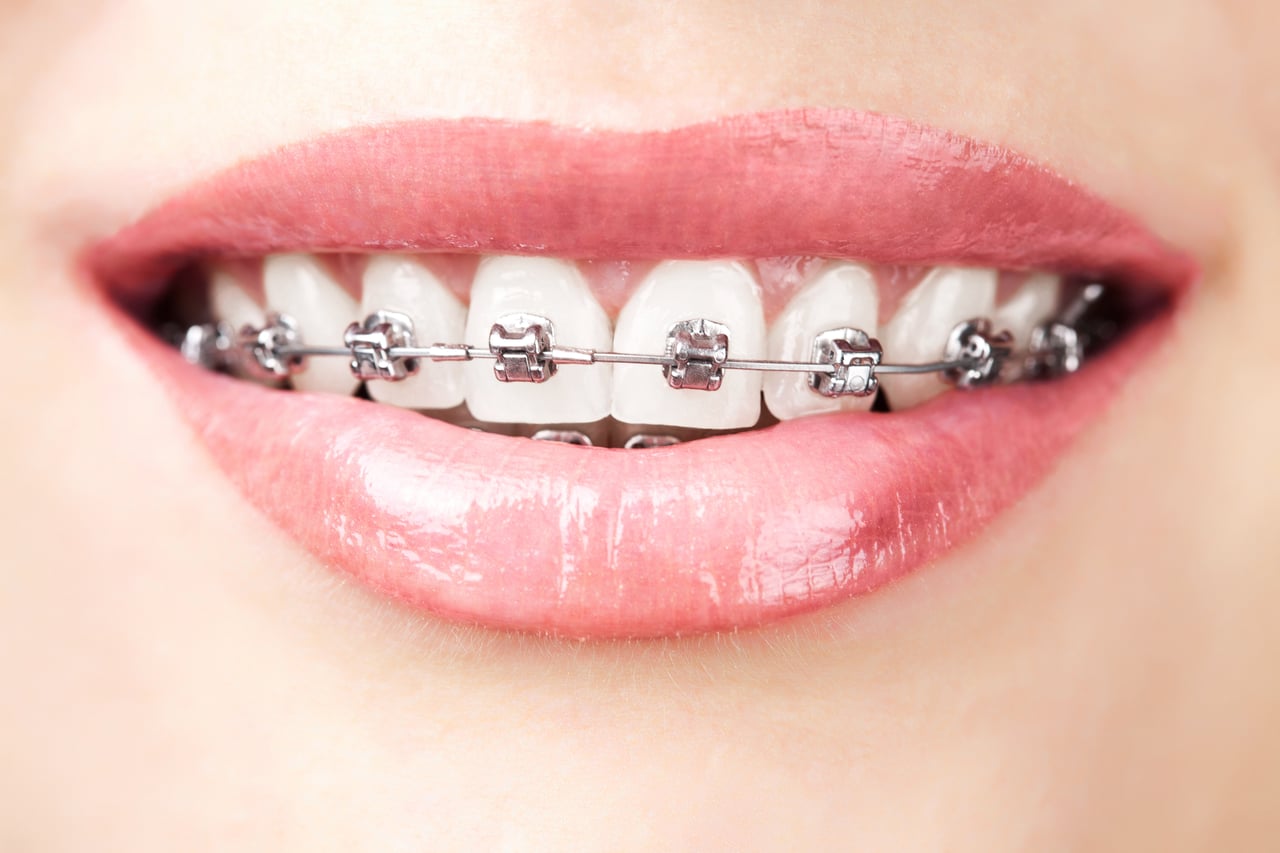
How do braces move teeth? The science, explained
How do braces move teeth? Learn how gentle pressure remodels the bone around each root, why adjustments are weeks apart, and what speeds or slows treatment.
Read more
Blog
How to clean Invisalign aligners: what to use, what to avoid, how to handle Bakersfield heat, and what to do about cloudy, smelly, or stained trays.
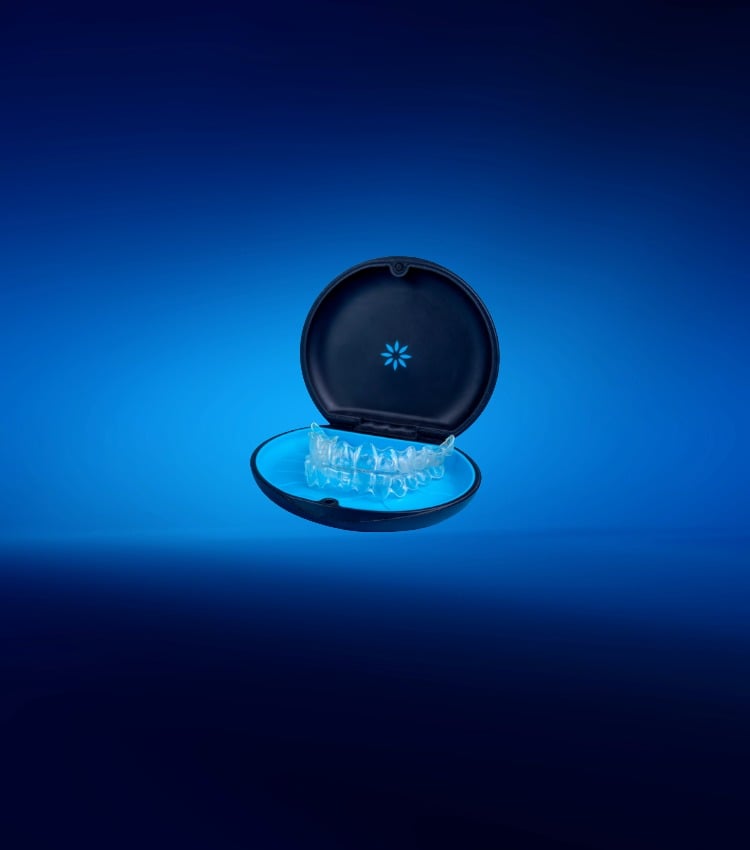
To clean Invisalign aligners, rinse them in cool or lukewarm water every time you take them out, brush them gently with a soft toothbrush and a little clear, unscented soap, and give them a deeper soak once a day if you like. Skip hot water, skip toothpaste, and never let them sit loose in a hot car. That short list covers most of what keeps aligners clear, odor-free, and shaped the way they were made.
The details matter more than people expect, because aligners sit against your teeth for most of the day. This guide explains the daily routine, what to do about cloudiness and stains, and how to protect your trays through a Bakersfield summer. If you are comparing options first, our guide to Invisalign vs. braces in Bakersfield covers how the two approaches differ.
Aligners are snug plastic trays. They hold saliva, food particles, and the natural film of bacteria that builds up on every tooth (called plaque) against your enamel for roughly 20 to 22 hours a day, which is the wear time most Invisalign plans call for. A dirty tray holds that film in place instead of letting saliva rinse it away.
The result of skipping cleaning is predictable: cloudy plastic, a stale smell, and a higher chance of cavities or gum irritation under the tray. Clean aligners over clean teeth are the whole system. Your aligners work best on teeth you have brushed, and your teeth stay healthy when the aligners are clean.
The simplest routine has three parts, and none of them take long.
A quick note on soap: colored, scented, or heavily dyed soaps can leave a taste or tint on clear plastic, so plain and clear is the safer choice.
Neither is a good idea, and these are the two most common mistakes.
Toothpaste often contains tiny abrasive particles. They are fine for enamel but can leave fine scratches on soft plastic. Scratches are where stains and bacteria settle, and they are also what makes aligners look cloudy. A clear soap works better and costs you nothing in clarity.
Hot water can warp the plastic. Aligners are made to fit your teeth within a fraction of a millimeter. A tray that has bent even slightly can pinch, fail to seat fully, or stop applying force where it should. The same goes for boiling water, the dishwasher, and microwaving a cup of water to "sterilize" a tray. Stay with cool or lukewarm water, and if you are unsure, cooler is the safer side.
Also avoid alcohol-based mouthwash and harsh household cleaners. Both can dull or discolor the material, and neither belongs near something you wear in your mouth.
A deeper soak is optional but useful, especially if the trays are starting to look dull. Choices include:
Whichever you choose, rinse the trays well in cool water afterward and brush off anything loosened. Soaking is a supplement to brushing, not a replacement for it. If a soak leaves a strong taste or smell, rinse longer.
When in doubt, ask. Different aligner materials respond differently, so the instructions from your orthodontist's office come first. Dr. Mendivil's office is a certified Invisalign and Invisalign Teen provider, so bring your cleaning questions to your next visit.
Cloudiness usually means mineral deposits from water or scratches from brushing with the wrong products. Yellowing is staining, most often from coffee, tea, red wine, dark sodas, or tobacco. A smell comes from bacteria, which thrive when trays are stored damp and unrinsed.
Prevention is easier than repair:
If a tray stays cloudy or stained after a good cleaning, do not scrub harder. Mention it at your next visit.
Valley summers and early fall are hard on plastic. A tray left on a car seat, dashboard, or in a gym bag in the trunk can warp in minutes, and a warped tray does not fit. A few habits help:
The same care applies to the retainer you will wear once treatment ends; our post on retainers after braces covers that stage.
Do not try to repair it, bend it back, or wear it anyway. Call the office. The usual options are going back to your previous tray briefly or having a replacement made, and the right choice depends on where you are in your series and how long the tray has been out. Waiting a week hoping it turns up can set treatment back, so a short call early is better than a long fix later.
The cleaning steps are the same. What differs is how consistent the habit is. Teens are the group most likely to leave trays in a lunch tray or backpack pocket, so a case that lives in the same place every day helps. Invisalign Teen trays are cleaned just like adult ones, and a parent and teen can ask about the routine together at a visit. Adults have their own version of this problem, usually involving coffee, which our adult braces guide touches on.
Call the office if:
These are quick questions, not emergencies, and answering them early keeps treatment on its original timeline. You can also find more answers on our FAQ page.
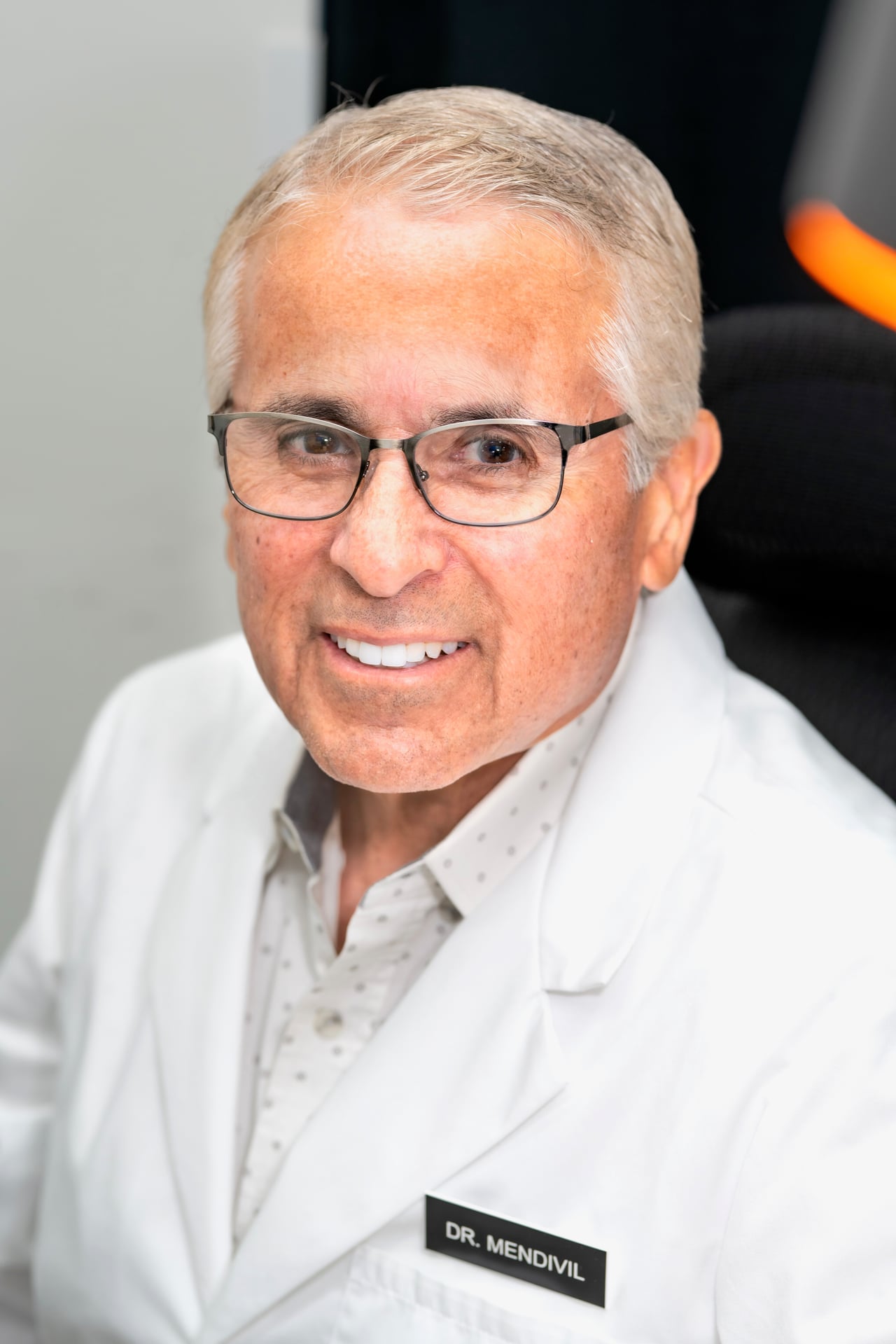
If you are still deciding whether aligners are right for you or your teen, a consultation with Dr. Mendivil is the place to start. He can look at your bite, explain what Invisalign can and cannot do for your case, and walk through next steps. You can schedule a free consultation when it suits you.
Keep reading
How do braces move teeth? Learn how gentle pressure remodels the bone around each root, why adjustments are weeks apart, and what speeds or slows treatment.
Read more
A poking wire or loose bracket is rarely a true braces emergency. Here is what to fix at home, what to save for a call, and when to head to the ER.
Read more
What the first week with braces really feels like, day by day: soreness, lip irritation, soft foods to eat, and when to call your Bakersfield orthodontist.
Read moreTalk it through
Bring your insurance card. We will walk through the bite, the timeline, and what is covered before any treatment starts.
Schedule a consultation