
Treatment timeline
Braces emergency: what to do about broken wires and brackets
A poking wire or loose bracket is rarely a true braces emergency. Here is what to fix at home, what to save for a call, and when to head to the ER.
Read more
Blog
How do braces move teeth? Learn how gentle pressure remodels the bone around each root, why adjustments are weeks apart, and what speeds or slows treatment.
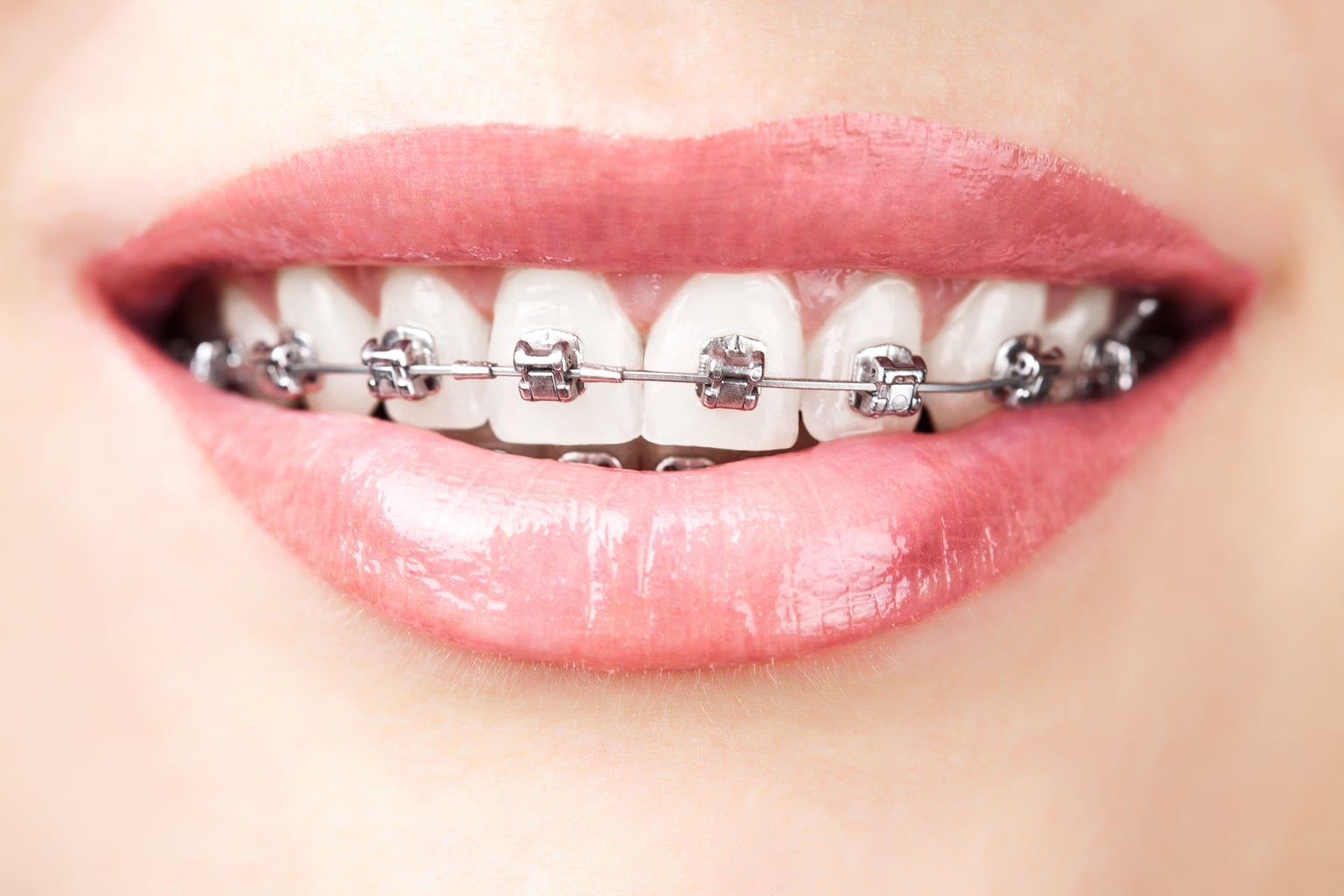
Braces move teeth by applying light, steady pressure that tells the body to rebuild the bone around each tooth. The bone on one side of the root gives way a little, new bone fills in on the other side, and the tooth slowly travels to its new position. If you have ever wondered how braces move teeth, that is the whole idea: braces do not force a tooth through bone, they ask the bone to reshape itself.
Most Bakersfield patients and parents only hear the short version at the first visit. This guide covers the longer one, with every clinical term explained as it comes up, because understanding the biology makes the rules of treatment (wear your elastics, protect your appointments, wear your retainer) make a lot more sense.
A tooth is not welded to the jaw. Each root sits in a socket of bone, and between the root and the bone is a thin, elastic layer called the periodontal ligament (the tissue that anchors the root and absorbs the forces of chewing). Think of it as a tiny cushion wrapped around the root.
That cushion is the reason teeth can be moved at all. It is also why a tooth feels slightly springy if you press on it, and why a healthy mouth tolerates the daily pressure of chewing without damage.
Three simple parts do the work:
That is the gentle, constant pressure. Traditional braces and clear or gold braces use the same principle. Elastic bands (rubber bands) add extra force where the upper and lower teeth need to line up, and Invisalign aligners deliver it through a series of plastic trays instead of wires. The pressure comes from different hardware, but the biology underneath is the same.
When a tooth is pressed in one direction, the ligament is compressed on the side the tooth is moving toward and stretched on the opposite side. Each side triggers a different response, and together they are called bone remodeling.
Where the ligament is squeezed, specialized cells called osteoclasts (cells that break down bone) go to work and slowly remove a bit of bone in the tooth's path. This clears the way.
Where the ligament is stretched, cells called osteoblasts (cells that build new bone) lay down fresh bone in the space the tooth leaves behind. This keeps the socket solid.
The tooth therefore moves forward while the bone behind it is rebuilt. The jaw never gets weaker overall, because the same process that removes bone also replaces it. Your skeleton does this all the time, for example when it mends a fracture. Orthodontics simply directs it on purpose.
Light, steady force works best because remodeling is a living process, not a mechanical one. Pressure that is too gentle does not signal the bone to change. Pressure that is too heavy can squeeze the blood supply in the ligament and slow movement down, as well as stress the root. The goal is a force the tissue can respond to comfortably.
That is why a tight new wire feels like a dull ache and not a sharp pain, and why more is never better. It is also one reason orthodontists do not simply install the final wire on day one. Treatment uses a sequence of wires, starting with flexible ones that apply very light force and moving to stiffer, more precise ones as the teeth line up.
Because bone remodeling takes time. Cells need to be recruited, old bone must be removed, and new bone has to be built and firmed up. A tooth cannot be hurried past that pace without risking damage to the root or the supporting bone. In typical treatment a tooth moves only a small fraction of a millimeter to roughly a millimeter at a time, which is why visits are spaced weeks apart and the overall plan takes many months.
Each appointment gives the wire a fresh job. Once the teeth have responded to the current wire, the orthodontist checks the progress, changes the wire or the elastics, and sets the next stage in motion. For a realistic look at the overall schedule, see our guide to how long braces take.
The ache in the first days comes from the ligament's response to new pressure. The tissue becomes inflamed, which is part of how remodeling gets started, so the teeth feel tender when you chew. For most people it peaks in the first couple of days after a visit and fades. Our first-week-with-braces guide covers what to eat and what is worth a call.
Several things shape how quickly a mouth responds:
Nothing about this is a race. The aim is steady progress, not the fastest possible movement.
Here the same biology works against you. After braces are removed, the bone around the roots is still firming up, and the fibers of the gum and ligament tend to pull teeth gently back toward where they started. A retainer holds the new position while the tissues settle. We cover this in detail in retainers after braces.
Both. The bracket sits on the crown, but the wire's force travels through the tooth to the root, and the bone around the root is what remodels. A good plan moves the whole tooth, not just the visible part.
Slightly loose teeth can be a normal part of the process, since the ligament is being worked. The looseness settles after treatment. If a tooth feels very loose or painful, mention it at your next visit or call the office.
When treatment is planned and monitored properly, the process is controlled remodeling, not damage. Light force, regular checks, and healthy gums are the safeguards. This is one reason an orthodontic exam, with records and X-rays, comes before treatment.
The biology is identical. Aligners apply controlled pressure and the bone remodels in response. The difference is in the delivery, and which one fits you depends on your bite. See our comparison of Invisalign and braces.
See an orthodontist if you notice crowded or crooked teeth, a bite that does not close properly, jaw clicking or discomfort, or a child with signs of developing bite problems. The American Association of Orthodontists describes the basics of how braces work, and the answer for your own mouth always depends on an exam, since individual medical advice is not something an article can give.
Dr. Mendivil's practice has served Bakersfield since 1989, and a consultation is a chance to see where your teeth are, what is moving them, and what a realistic plan looks like. If you would like to talk it through, you can book a free consultation, and the FAQ answers many common questions ahead of time.
Keep reading
A poking wire or loose bracket is rarely a true braces emergency. Here is what to fix at home, what to save for a call, and when to head to the ER.
Read more
What the first week with braces really feels like, day by day: soreness, lip irritation, soft foods to eat, and when to call your Bakersfield orthodontist.
Read more
Do you really need a retainer after braces? Learn the science of why teeth shift, how long to wear retainers, and what to do if yours is lost or tight.
Read moreTalk it through

Bring your insurance card. We will walk through the bite, the timeline, and what is covered before any treatment starts.
Schedule a consultation