Treatment options
Braces myths: 9 things people still get wrong
Braces myths, sorted from fact: pain, age, cost of waiting, retainers and who is actually an orthodontist. A plain-English guide for Bakersfield families.
Read more
Blog
What causes crooked teeth? Jaw size, genetics, baby-tooth loss, thumb sucking and more, plus what is a myth. A Bakersfield orthodontist's plain-English guide.
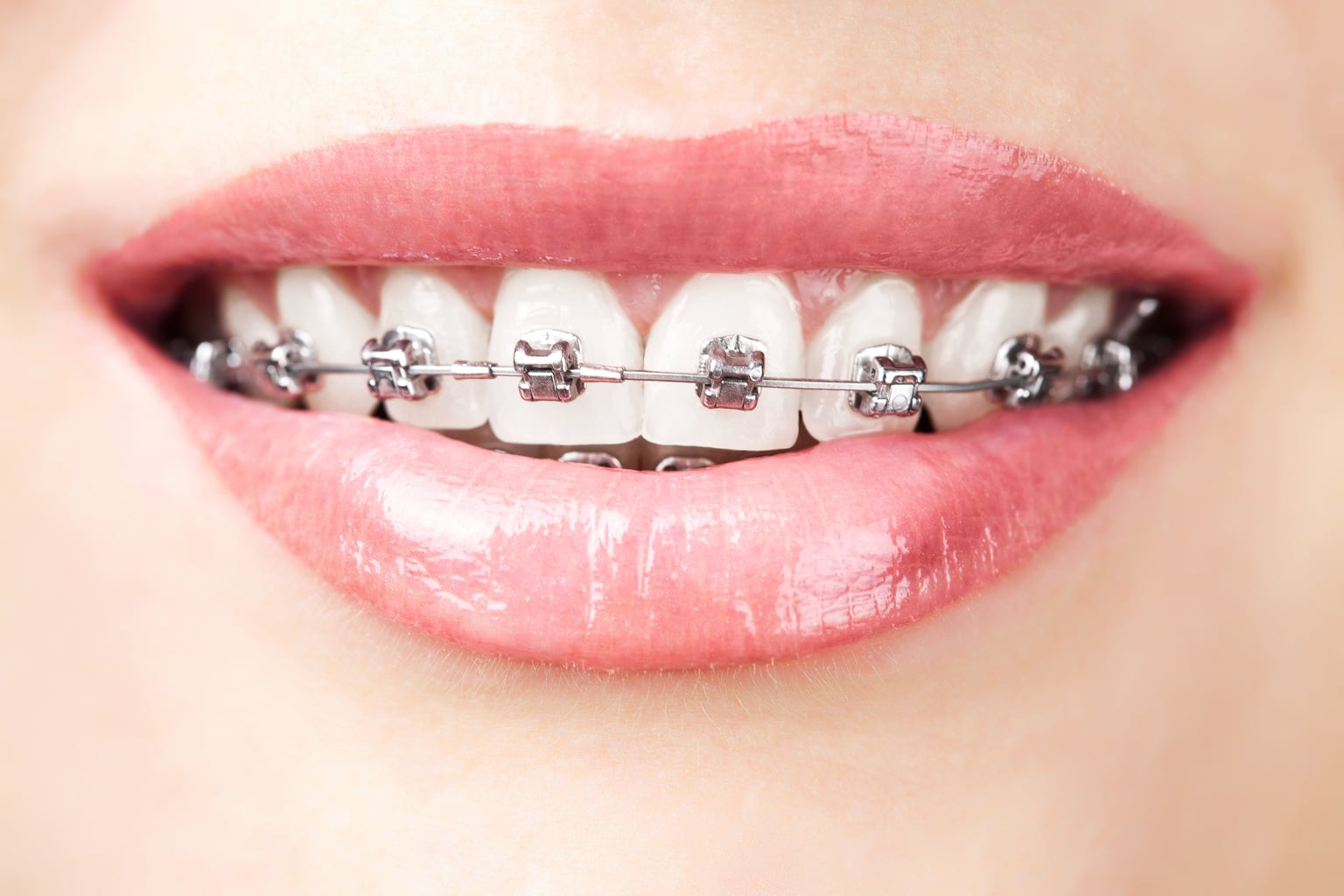
Crooked teeth are most often caused by a mismatch between the size of the teeth and the size of the jaws, and that mismatch is largely inherited. Habits in early childhood, the timing of baby-tooth loss, and the way the jaws grow add to the picture. In other words, crooked teeth are rarely anyone's fault, and they are rarely caused by one thing.
This guide walks through the real causes of crooked teeth, separates them from a few popular myths, and explains what an orthodontist looks at to work out why a particular smile ended up the way it did.
The most common cause is crowding, which means there is not enough room in the jaw for all the teeth. Tooth size and jaw size are inherited, and not necessarily from the same parent. A child can receive a smaller jaw from one side of the family and larger teeth from the other. When large teeth meet a small jaw, something has to give, and teeth twist, overlap or erupt (come through the gums) out of line.
The opposite can happen, too. Small teeth in a wide jaw can leave visible gaps, which is called spacing. This is why two siblings can have very different smiles, and why a parent's crooked teeth are a useful clue about a child's future bite.
Bite patterns run in families as well. If you want to see what an overbite, underbite or crossbite actually is, our guide to overbite, underbite and crossbite explains each one.
Yes, indirectly. Baby teeth act as placeholders. Each one holds the space a permanent tooth will later use. If a baby tooth is lost much earlier than expected, because of decay or an injury, neighboring teeth can drift into the gap. The permanent tooth then arrives to find its spot partly taken and may come in crooked, or not come in properly at all.
The reverse also happens. A baby tooth that stays in place too long can push the permanent tooth behind or in front of it.
This is one reason the American Association of Orthodontists recommends that children be screened by an orthodontist at age 7. By then a child has enough permanent teeth for an orthodontist to see how the bite is developing. Most children at that age do not need treatment right away, and we cover what the visit involves in our guide for parents.
It can, depending on how long it lasts and how forcefully the child does it. Steady pressure from a thumb, finger or pacifier can tip the upper front teeth forward and narrow the upper jaw, which may lead to an open bite (front teeth that do not touch) or a crossbite. The AAO lists a sucking habit that affects tooth or jaw growth among the problems that can benefit from an early evaluation.
Brief or occasional sucking in toddlers is very common and usually does not leave a lasting mark. The concern is a strong habit that continues as permanent teeth arrive. If you are unsure, an orthodontist can tell you whether the habit is changing your child's bite.
Several other factors can contribute. None of them is a cause on its own in every child, but an orthodontist watches for them:
This is the most popular myth, and the evidence does not support it. A systematic review published through the National Library of Medicine of studies on the lower wisdom teeth and crowding of the lower front teeth found no proven connection.
Wisdom teeth may still need to come out for other reasons, such as being impacted or causing infection. But a dentist or oral surgeon should not remove them only to prevent front-tooth crowding. If you are weighing the question, ask both your dentist and your orthodontist.
Teeth are not fixed in bone like fence posts. They sit in a ligament that lets them move slightly, and they respond to the pressure of lips, cheeks, tongue and chewing throughout life. That is also why braces work: steady, gentle pressure makes the bone around a tooth remodel. We explain that process in how braces move teeth.
The same responsiveness explains why teeth drift after treatment if a retainer is skipped, and why some adults notice their lower front teeth getting more crowded in their 20s, 30s and beyond. Our post on retainers after braces covers how to keep a corrected smile in place.
Generally, yes. Healthy teeth and healthy gums are what matter, not the birth date. Teens and adults both receive braces and Invisalign, and which one fits depends on the bite and the goals. If you are an adult wondering whether it is too late, read our guide on adult braces in Bakersfield.
The cause matters because it shapes the plan. Crowding from a small jaw is treated differently from a gap caused by a missing tooth, and a bite problem caused by jaw growth may need more than moving teeth. Dr. Mendivil also treats complex orthodontic cases, including TMJ-related bite concerns.
Consider a visit if:
Crooked teeth are not just a cosmetic concern. They can be harder to clean, and some bite problems affect chewing. Only an exam can tell you whether anything needs to be done, and when.
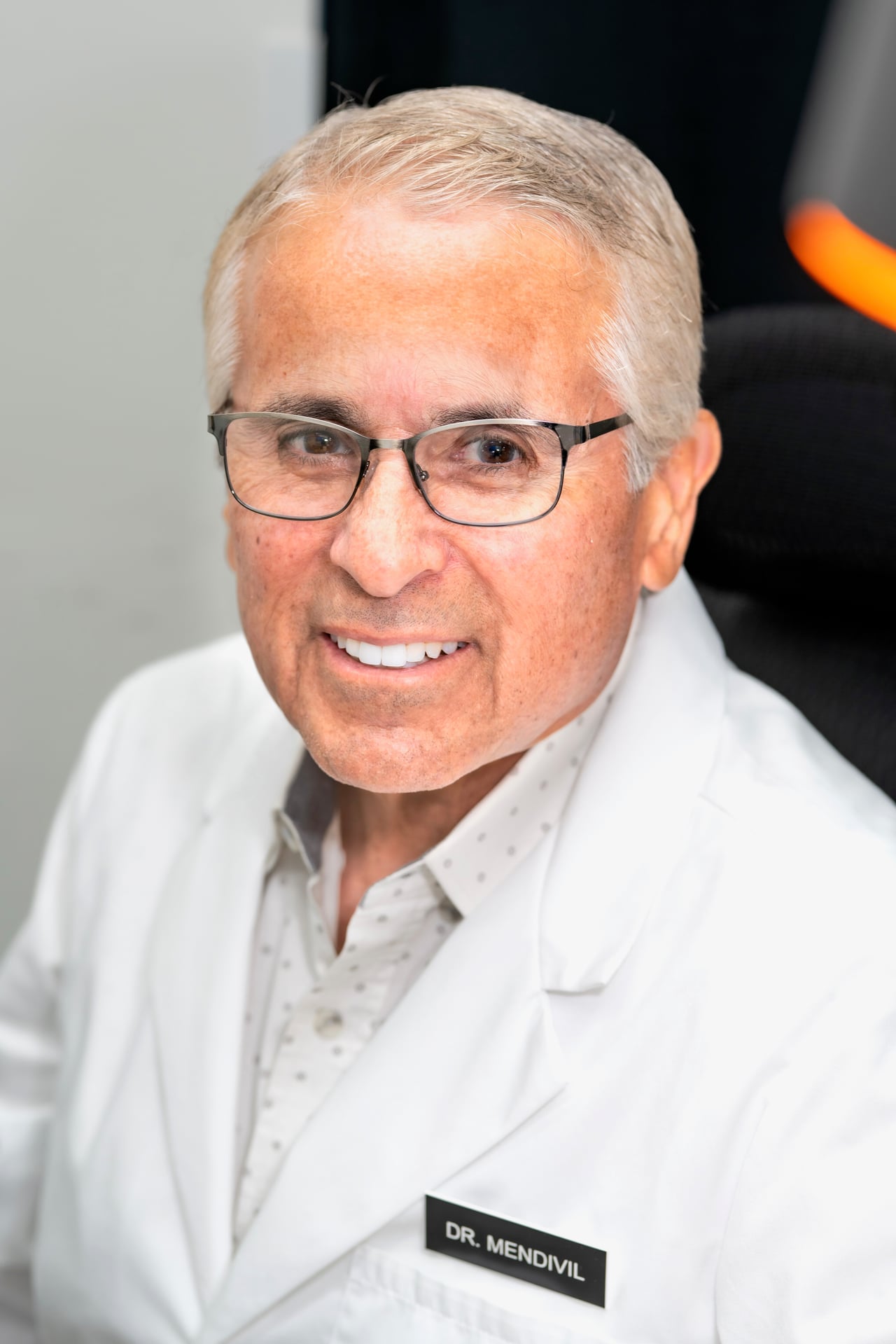
Dr. Guy Mendivil is an orthodontic specialist who has practiced in Bakersfield since 1989. The office has private treatment rooms and bilingual staff who speak English and Spanish. If you would like a clear answer about your own or your child's teeth, you can schedule a free consultation. General information here cannot replace an exam.
Keep reading
Braces myths, sorted from fact: pain, age, cost of waiting, retainers and who is actually an orthodontist. A plain-English guide for Bakersfield families.
Read more
Does dental insurance cover braces? How orthodontic benefits, lifetime maximums, waiting periods and age limits work, and what to ask before you book.
Read more
Lingual braces sit behind your teeth, out of sight. Learn how they work, how speech adjusts, who suits them, and what to ask a Bakersfield orthodontist.
Read moreTalk it through
Bring your insurance card. We will walk through the bite, the timeline, and what is covered before any treatment starts.
Schedule a consultation