Treatment timeline
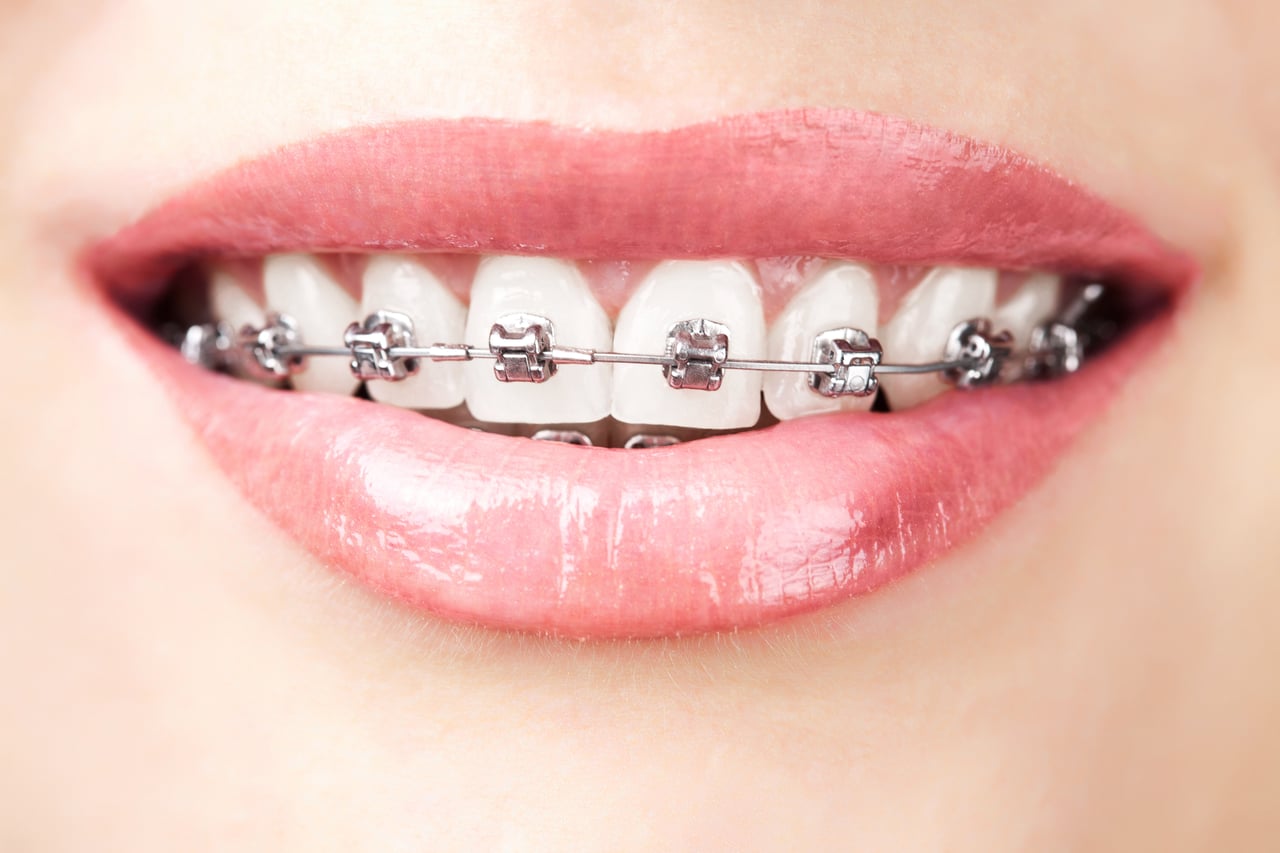
How do braces move teeth? The science, explained
How do braces move teeth? Learn how gentle pressure remodels the bone around each root, why adjustments are weeks apart, and what speeds or slows treatment.
Read more
Blog
Compare Invisalign and braces on how they move teeth, which bites each handles, daily wear, timeline, and cost, and learn how a Bakersfield orthodontist decides between them.
Invisalign and braces can both straighten teeth and correct a bite. The difference is in how they do it, what each asks of the patient, and which types of tooth movement each handles with the most control.
Neither option is better across the board. Invisalign is nearly invisible and comes out for meals, but it only works when it is in the mouth, and it typically costs somewhat more. Braces are always working and give the orthodontist direct control over every tooth, but they are visible and require more care around eating and cleaning.
Here is how the two compare, and how Dr. Mendivil decides which one to recommend for a Bakersfield patient.
Traditional braces bond a bracket to each tooth and connect the brackets with an archwire. The orthodontist adjusts the wire and adds elastics or springs to direct each tooth to a planned position. Because the appliance is fixed, it applies steady pressure around the clock.
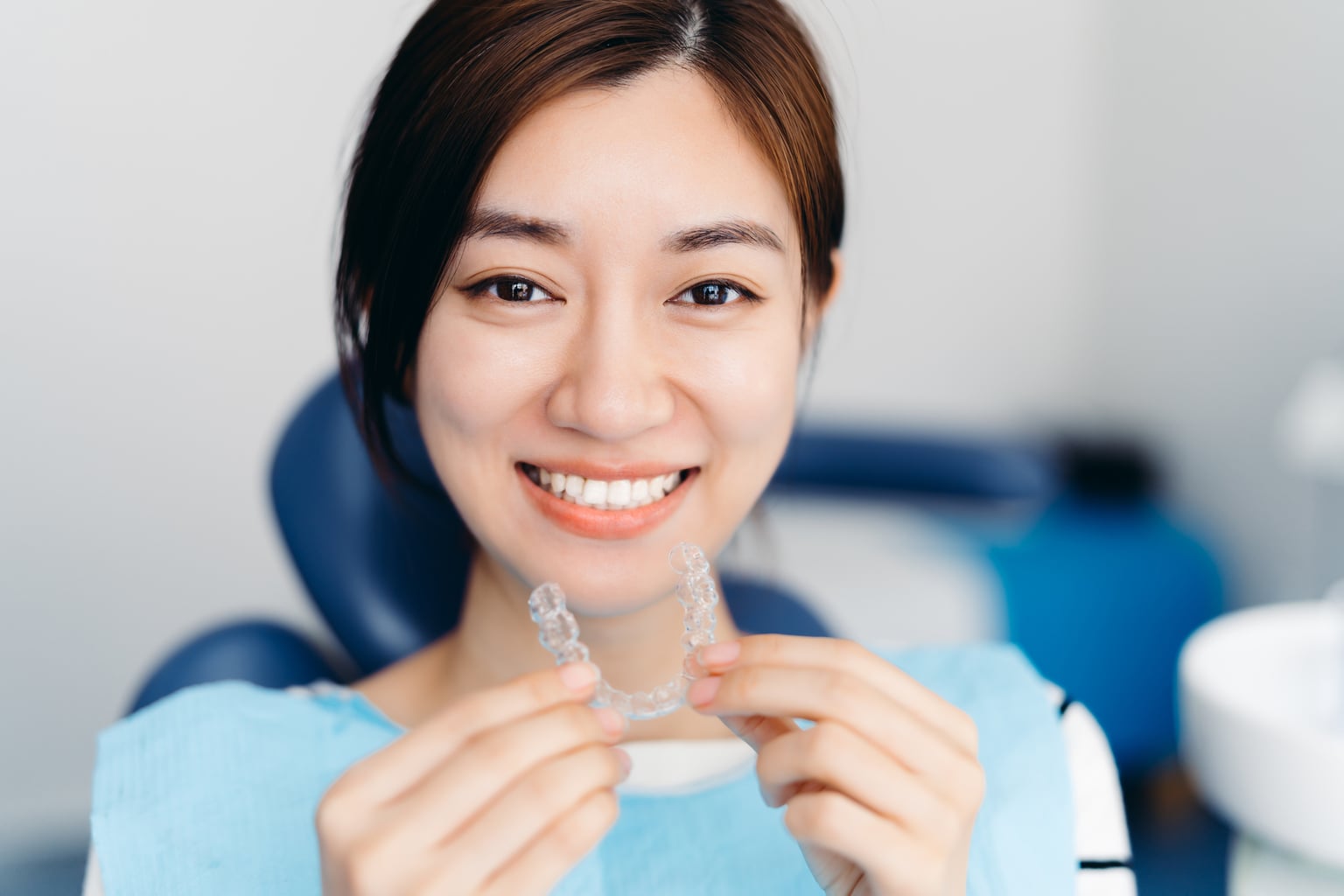
Invisalign uses a series of removable clear trays. Each aligner is shaped to move the teeth a small step from the previous one. The patient wears a tray for its scheduled period, then changes to the next aligner in the series. The full sequence is planned in advance using Invisalign's treatment technology, and the orthodontist reviews progress at check-in visits.
Both approaches rely on the same biology. Gentle, sustained pressure prompts the bone around a tooth to remodel so the tooth can shift. What changes is the tool delivering that pressure and how much of the result depends on the patient's daily habits.
The diagnosis comes first. An orthodontist looks at crowding, spacing, how the upper and lower teeth meet, the jaw relationship, and any teeth that are rotated, tipped, or sitting too high or low before recommending an appliance.
Invisalign is often a strong fit for:
Braces are often the stronger choice for:
Clear aligner technology continues to expand what Invisalign can treat, and many cases could reasonably be finished either way. When both are possible, the decision usually comes down to lifestyle, appearance, budget, and how confident the patient is about wearing aligners consistently.
This is where the two options feel most different.
Braces stay on until the orthodontist removes them. There is nothing to remember to put in, and no way to lose the appliance. Patients do need to avoid hard, sticky, and chewy foods that can loosen brackets or bend wires, and brushing and flossing take more time and attention around the hardware. Adjustment visits are generally scheduled every 4 to 8 weeks.
Aligners come out for eating, drinking anything other than water, and brushing. That flexibility is the main appeal, and it also creates the main challenge: Invisalign only moves teeth while it is being worn. The trays need to be in place about 22 hours each day, every day, for the full course of treatment.
That is harder than it sounds. Every meal, snack, and coffee means removing the trays, storing them safely, brushing, and putting them back in promptly. Trays left out for an extended lunch, a long evening, or a forgotten night at a time add up. When wear time falls short, the next aligner may not fit as planned, and treatment slows or stalls until the teeth catch up.
Patients who succeed with Invisalign tend to treat the 22-hour target as non-negotiable. Patients who know they may be tempted to leave the trays out are often better served by braces, which do the work whether or not anyone is thinking about them.
Both are used for teens, and the same compliance question applies. Braces are the traditional choice for teenagers because they remove the daily decision of whether to wear the appliance. Many parents prefer that certainty.
Invisalign Teen is Invisalign's version designed for younger patients. The trays include wear indicators that fade with use so parents and the orthodontist can see whether aligners are being worn, and the plan accounts for teeth that are still erupting. It can work well for a teen who is genuinely motivated to wear the trays, plays sports or a wind instrument, or strongly prefers a less visible option.
Honesty about the individual teenager matters more than the appliance. A teen who reliably wears aligners can do very well with Invisalign. A teen who is likely to leave them in a backpack will finish faster and with a better result in braces.
At Dr. Mendivil Orthodontics, braces typically take about 18 to 30 months, depending on how far the teeth need to move and how the bite fits. Most adult Invisalign cases take about 12 to 18 months. These are planning ranges, not promises.
The shorter Invisalign range partly reflects the kinds of cases aligners are chosen for. Mild to moderate alignment concerns finish sooner in any appliance. A complex bite takes longer whether it is treated with trays or brackets, and inconsistent aligner wear can stretch an Invisalign timeline well past the original estimate.
Our guide to how long braces take in Bakersfield walks through each stage of treatment from records to retainers.
Invisalign is typically somewhat more expensive than traditional braces. The custom aligner series is manufactured by Invisalign for each patient, and that lab cost is built into the fee. The gap is usually modest rather than dramatic, and the exact difference depends on case complexity and treatment length.
Orthodontic insurance benefits generally apply to both options in the same way, and a Cherry payment plan can be used for either. At a consultation, you should receive a written estimate for each appliance being considered so the cost difference is clear before you decide. For the factors that shape the total, read our guide to braces costs in Bakersfield and our explanation of how Cherry payment plans work.
Appearance is one of the most common reasons patients ask about Invisalign, and there is a middle ground. Aesthetic braces use the same bracket-and-wire approach as traditional braces in a clear ceramic, champagne gold, or rose-gold finish. They keep the control and always-on benefit of fixed braces with a less traditional look.
Lingual braces go a step further by placing the brackets on the back of the teeth, where they are hidden from view. They are a more specialized option and suit certain bites better than others, but for the right patient they combine the discretion of aligners with fixed-appliance control.
The recommendation starts with the bite, not the product. At a consultation, Dr. Mendivil examines the teeth, jaw relationship, and supporting tissues, reviews diagnostic records, and identifies what needs to move and how far.
From there, the conversation covers:
Dr. Mendivil is a certified Invisalign and Invisalign Teen provider and has treated patients with braces in Bakersfield since 1989. Because the practice offers both, the recommendation is based on what will produce the best result for your bite rather than on which appliance the office happens to provide.
For the cases it is designed to treat, yes. Invisalign can produce excellent results for mild to moderate alignment and many bite corrections when the trays are worn as prescribed. For complex movements, braces may still give the orthodontist more control. Effectiveness depends on matching the appliance to the case.
Sometimes. A patient may begin in braces for movements that need fixed control and finish in aligners, or move to braces if aligner wear is not working out. Any change should be planned by the orthodontist, since it can affect the timeline and cost.
Both create pressure when teeth begin to move, usually for a few days after an adjustment or a new tray. Aligners have no brackets or wires that can irritate the cheeks and lips, which some patients find more comfortable. Neither option should cause sharp or lasting pain.
Yes. Teeth can shift after any orthodontic treatment. A retainer, often a clear tray worn at night, holds the result after the last aligner or after braces are removed. Long-term retainer wear is part of the plan in either case.
No. You can schedule an orthodontic consultation with Dr. Mendivil Orthodontics directly. If you already see a general dentist, their records can be helpful, and routine cleanings continue during treatment. Our guide to dentists and orthodontists for braces explains how the two work together.
Dr. Guy Mendivil has practiced orthodontics in Bakersfield since 1989 and offers traditional braces, aesthetic braces, lingual braces, and Invisalign for children, teens, and adults. Treatment takes place in private rooms, and bilingual staff are available in English and Spanish.
The office is located at 11901 Bolthouse Dr Suite 200, serving Seven Oaks, Stockdale, and greater Bakersfield.
Schedule a free consultation to find out whether Invisalign, braces, or another option fits your bite, and to compare the timeline and cost of each before you decide.
Keep reading
How do braces move teeth? Learn how gentle pressure remodels the bone around each root, why adjustments are weeks apart, and what speeds or slows treatment.
Read more
A poking wire or loose bracket is rarely a true braces emergency. Here is what to fix at home, what to save for a call, and when to head to the ER.
Read more
What the first week with braces really feels like, day by day: soreness, lip irritation, soft foods to eat, and when to call your Bakersfield orthodontist.
Read moreTalk it through

Bring your insurance card. We will walk through the bite, the timeline, and what is covered before any treatment starts.
Schedule a consultation