Treatment timeline
What causes crooked teeth? Genetics, habits and more
What causes crooked teeth? Jaw size, genetics, baby-tooth loss, thumb sucking and more, plus what is a myth. A Bakersfield orthodontist's plain-English guide.
Read more
Blog
Foods to avoid with braces, explained with a little humor: the usual suspects, safe swaps, and what to do when a bracket breaks. A Bakersfield guide.

The foods to avoid with braces fall into three groups: hard foods that can snap a bracket, sticky foods that can pull one loose, and sugary foods that feed plaque around the hardware. That covers popcorn, ice, hard candy, caramel, gum, and anything you would bite into whole, like an apple or corn on the cob.
Nobody in an orthodontic office is trying to ruin your lunch. Every item on the list has a reason, and most of them have a workaround. Here is the honest version, with a bit of humor, for Bakersfield patients and parents.
The American Dental Association's Mouth Healthy site names popcorn, corn on the cob, chewing gum, whole apples, and other sticky foods as foods to skip. The American Association of Orthodontists (AAO) says much the same: hard and sticky foods can damage braces, and fruits and vegetables should be cut into smaller pieces.
In practice, the list sorts into a few groups.
Brackets are the small attachments bonded to each tooth, and the archwire is the thin wire that runs through them. Hard foods put sudden force on both.
Sticky foods cling to brackets, and the pulling motion as you chew can bend a wire or pop a bracket off the tooth.
Some foods are perfectly healthy and still a problem if you take a big bite of the whole thing. Biting straight through puts the force on your front brackets, which sit at the weakest angle.
This group does not break anything right away. The ADA warns that eating too many sugary foods with braces can lead to plaque build-up around your brackets, which can leave lasting stains or damage the teeth. Soda, sports drinks, and sweet iced coffees count. If you do have one, water afterward helps, and so does the brushing routine in our guide to brushing and flossing with braces.
Bonded brackets are strong enough for daily chewing, but they are designed to be removed at the end of treatment. That is a feature. It also means a hard bite can pop one off.
A broken bracket is rarely painful, but it is inconvenient. The tooth stops moving the way it should, and you need a visit to have it repaired. A few of those can add time to treatment. If you want the timeline in context, see our post on how long braces take.
Think of it as a trade. A few snacks change shape for a while, and in exchange your treatment stays on schedule.
Quite a lot, as it turns out. Safe, reliable options include:
Tacos and burritos are fine with soft tortillas. Hard shells are the issue, and they are easy to swap.
Usually yes, with a change of technique rather than a ban. The AAO's guidance is to cut fruits and vegetables into smaller pieces, and the same idea works for most borderline foods.
Chew with your back teeth when you can. If your orthodontist gives you a different instruction for your case, follow that one.
Bakersfield families run on school schedules, practices, and long hot afternoons, so snacks are a real question. Our braces and school sports guide covers game day, but a few snack rules are worth knowing.
Parents of younger patients may find it easiest to keep a short list on the fridge with swaps next to each no.
It happens, and it is not a disaster. Most people eat the wrong thing at least once.
Please do not try to bend a wire back yourself, and do not wait to mention a broken bracket until your next scheduled visit. Telling us early usually keeps things simple.
No. Clear aligners come out for meals, so the hard-and-sticky list does not apply the same way. The tradeoff is that you need to remove them to eat or drink anything other than water, and brush before putting them back in. Our post on how to clean Invisalign aligners covers the routine. If you are weighing both options, see Invisalign vs. braces and our pages on traditional braces and Invisalign.
If the list above feels long, here is the version that fits on a sticky note:
Contact your orthodontist if a bracket comes loose, a wire is poking or has slipped out of place, or soreness is severe or lasts well beyond the first week after an adjustment. These are all quick to fix, and calling sooner is easier than waiting.
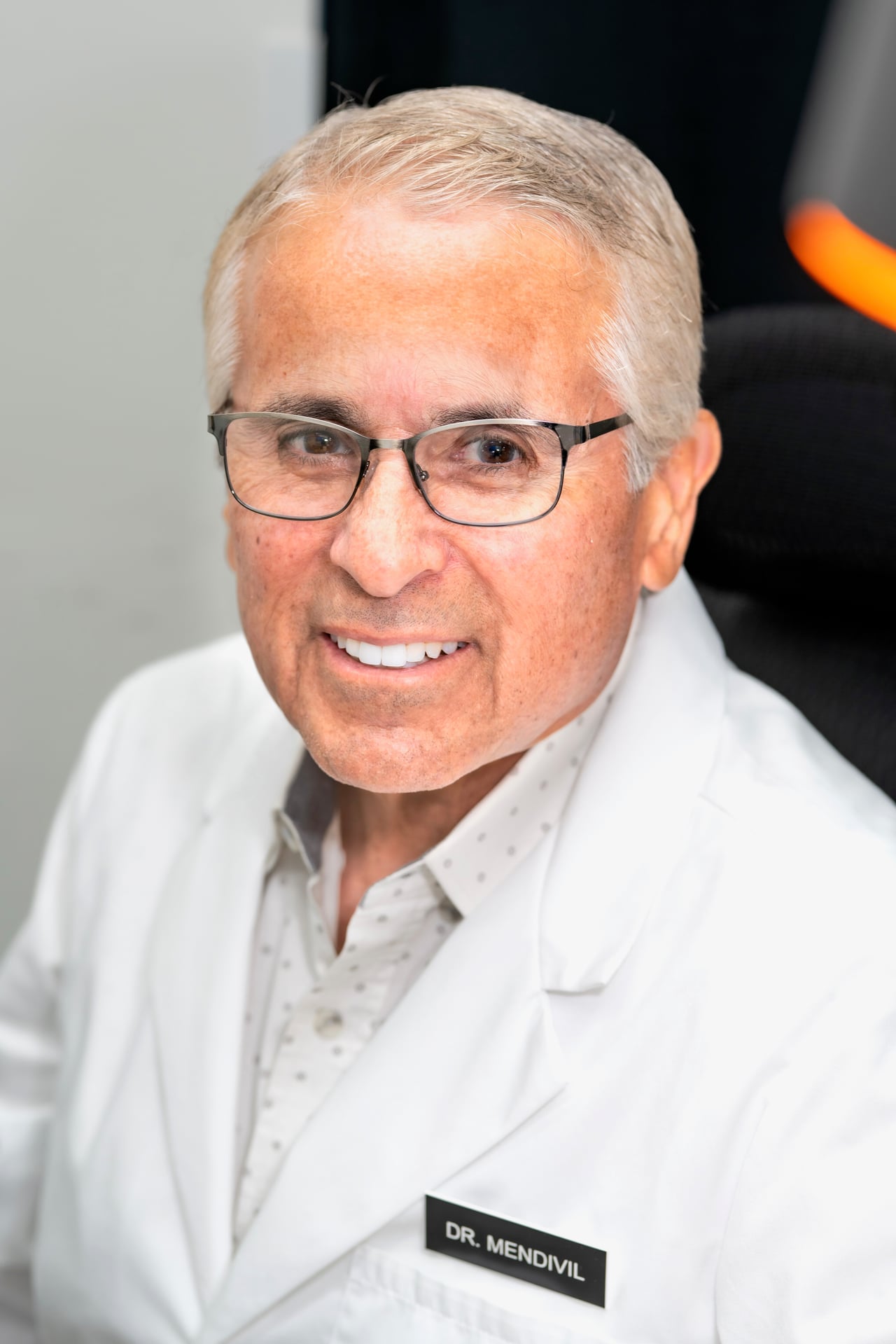
If you are not in braces yet and are wondering whether treatment makes sense for you or your child, you can start with a no-pressure consultation. Dr. Mendivil has treated patients in Bakersfield since 1989, and the team can talk through braces, aesthetic options, and Invisalign for teens and adults. You can schedule a free consultation online, or check our FAQ first for common questions. This article is general information, not a substitute for guidance from your own orthodontist, who will tell you if a particular food needs to stay off your list.
Keep reading
What causes crooked teeth? Jaw size, genetics, baby-tooth loss, thumb sucking and more, plus what is a myth. A Bakersfield orthodontist's plain-English guide.
Read more
Braces myths, sorted from fact: pain, age, cost of waiting, retainers and who is actually an orthodontist. A plain-English guide for Bakersfield families.
Read more
Does dental insurance cover braces? How orthodontic benefits, lifetime maximums, waiting periods and age limits work, and what to ask before you book.
Read moreTalk it through
Bring your insurance card. We will walk through the bite, the timeline, and what is covered before any treatment starts.
Schedule a consultation