
Treatment timeline
First week with braces: what to expect and what to eat
What the first week with braces really feels like, day by day: soreness, lip irritation, soft foods to eat, and when to call your Bakersfield orthodontist.
Read more
Blog
A poking wire or loose bracket is rarely a true braces emergency. Here is what to fix at home, what to save for a call, and when to head to the ER.
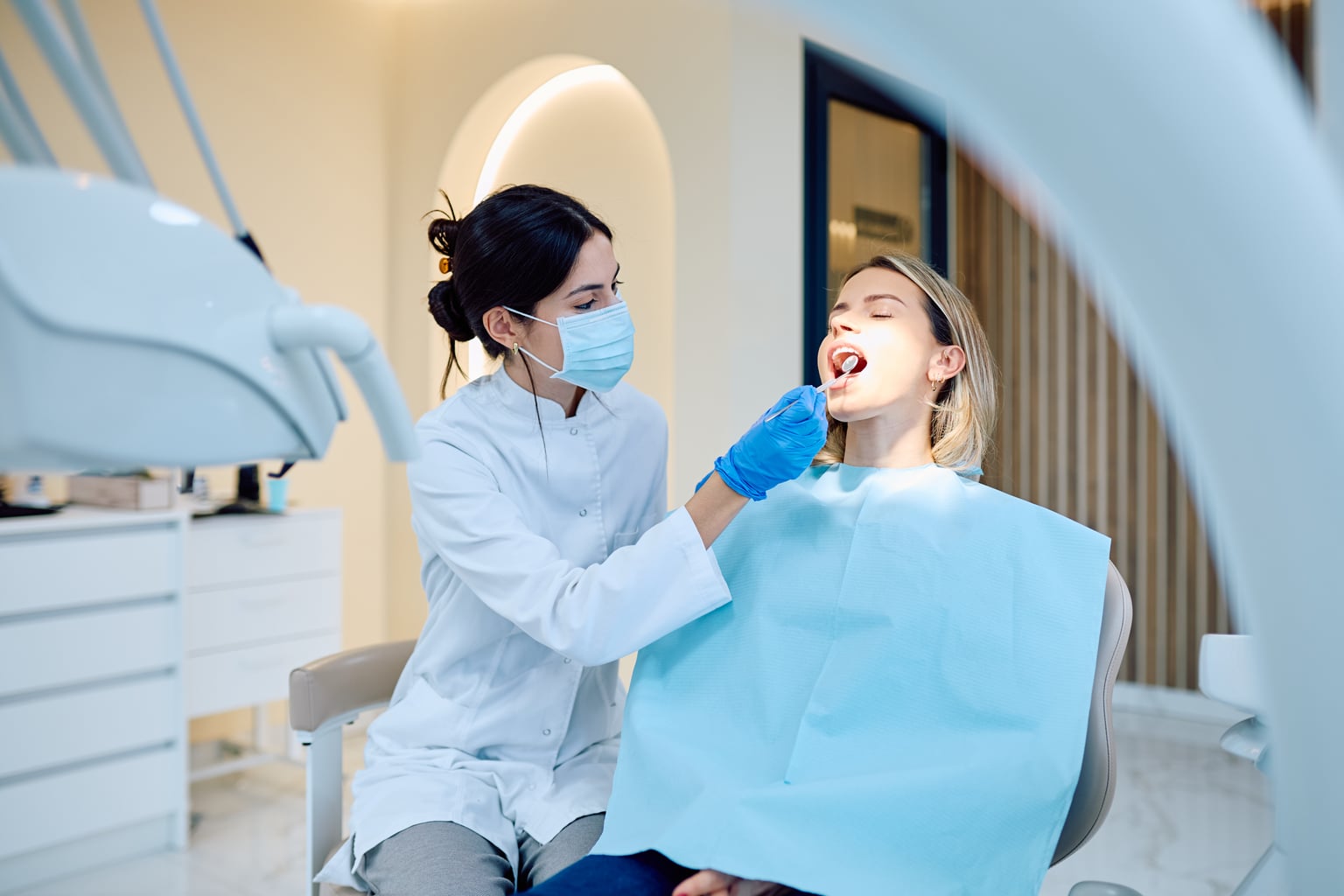
Most braces emergencies are not emergencies in the medical sense. A poking wire, a loose bracket, or a lost rubber band is uncomfortable and worth a phone call, but it is almost never dangerous. The right response is to make yourself comfortable at home, protect your mouth with orthodontic wax, and call your orthodontist's office so the repair can be scheduled. The true emergencies are rare, and they usually involve an injury to the face or mouth.
This guide covers the common problems, what you can safely do about each one, and when it is time to call the office or go to an emergency room. It is general information for patients and parents in the Bakersfield area, not a substitute for an exam.
Orthodontists tend to sort problems into three groups.
Everything below falls in the first two groups.
The archwire is the thin metal wire that runs through the brackets on your teeth. As teeth shift, the end of the wire can slide and poke into your cheek or gums.
Please do not cut the wire yourself. A snipped piece can be swallowed or inhaled, and a rough cut can leave a worse edge than the one you started with.
A bracket is the small attachment bonded to each tooth. Brackets come off from a hard bite on something crunchy, a ball to the mouth, or just ordinary wear.
A loose bracket matters for a reason beyond comfort: a tooth with no bracket is not being guided, so the wire cannot move it. Repairing it promptly keeps treatment on track. Our guide to how long braces take explains why broken pieces and missed visits can add time.
Sometimes a wire slips out of the bracket on the last tooth, or a section comes loose when a hard food catches it. Use the same approach as a poking wire: gently reposition it if you can, cover any sharp end with wax, and call the office. If the wire is shifted but not hurting you, you can usually wait for the next available repair visit.
Sore spots are the most common complaint, especially in the early weeks. Wax over the offending bracket, warm salt-water rinses, and soft foods usually settle things down. Our first week with braces post covers soreness and what to eat in more detail. Call the office if a sore is not improving after a week or keeps getting worse.
Clear aligners and retainers have their own versions of an emergency:
Short list, easy to pack, useful in a gym bag or school backpack:
If your teen plays sports, pair the kit with a proper mouthguard. Our post on braces and school sports covers mouthguards, practices, and game day.
Most broken brackets come from the same few foods and habits: hard candy, ice, popcorn kernels, whole raw carrots or apples bitten straight into, and chewing on pens or fingernails. Cutting hard foods into small pieces and eating sticky foods in moderation protects your braces. Brushing carefully around brackets also helps. If you are comparing options for your own treatment, our overview of traditional braces explains what the hardware is made of and how it is built to be worn.
Call the office when:
The office is open Monday through Wednesday from 8 AM to 6 PM and Thursday from 7 AM to 4 PM, and is closed Friday through Sunday. The number is 661-323-5910. If something happens outside those hours and wax gives you relief, the repair can wait for the next open day. If there is facial swelling, uncontrolled bleeding, a knocked-out tooth, or trouble breathing, go to an emergency room or call 911.
If you are weighing braces for yourself or your child, the best next step is an exam, where Dr. Mendivil can explain the options and what treatment would involve. You can schedule a free consultation, and our FAQ answers many common questions in the meantime.
Keep reading
What the first week with braces really feels like, day by day: soreness, lip irritation, soft foods to eat, and when to call your Bakersfield orthodontist.
Read more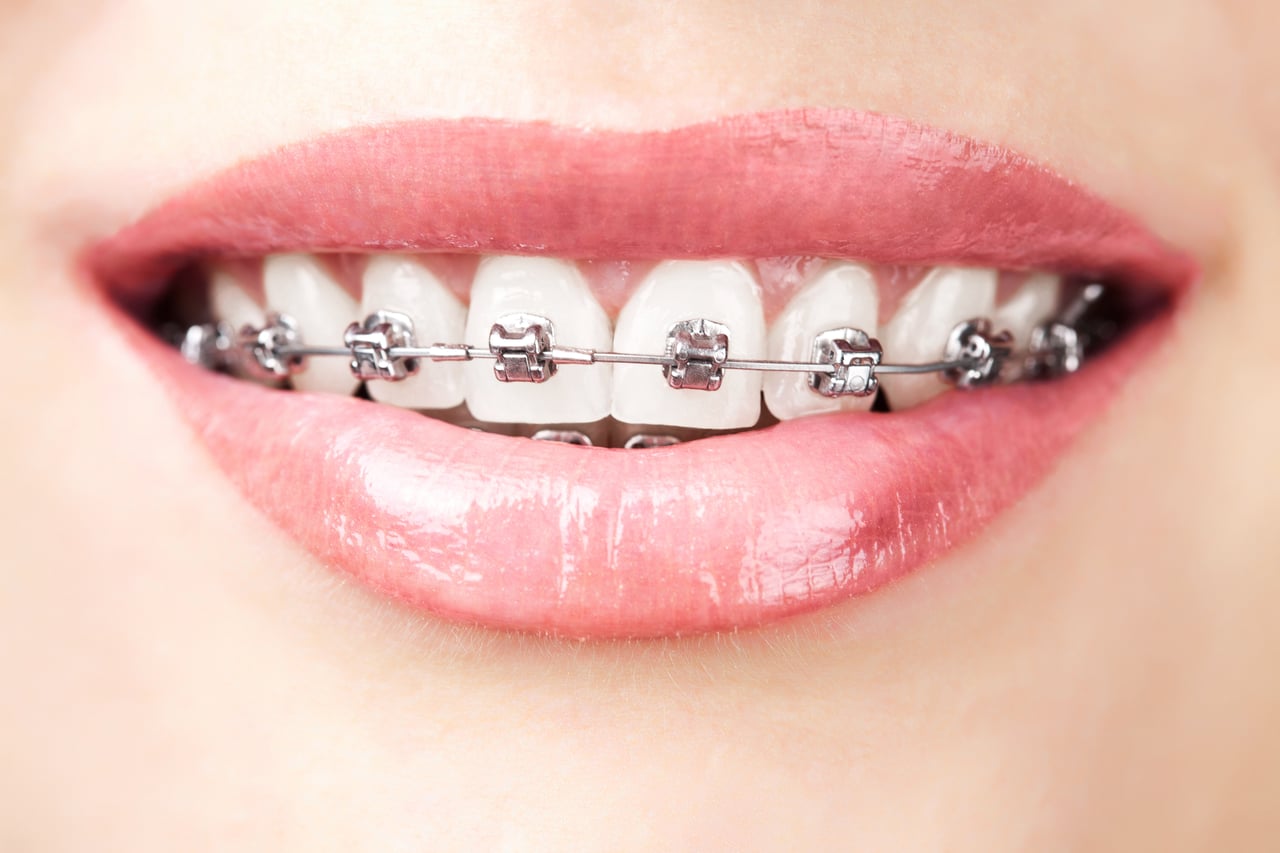
Do you really need a retainer after braces? Learn the science of why teeth shift, how long to wear retainers, and what to do if yours is lost or tight.
Read more
A guide for Bakersfield parents on playing sports with braces or Invisalign, choosing the right mouthguard, handling a hit to the mouth, and keeping treatment on track through the season.
Read moreTalk it through

Bring your insurance card. We will walk through the bite, the timeline, and what is covered before any treatment starts.
Schedule a consultation