Treatment options
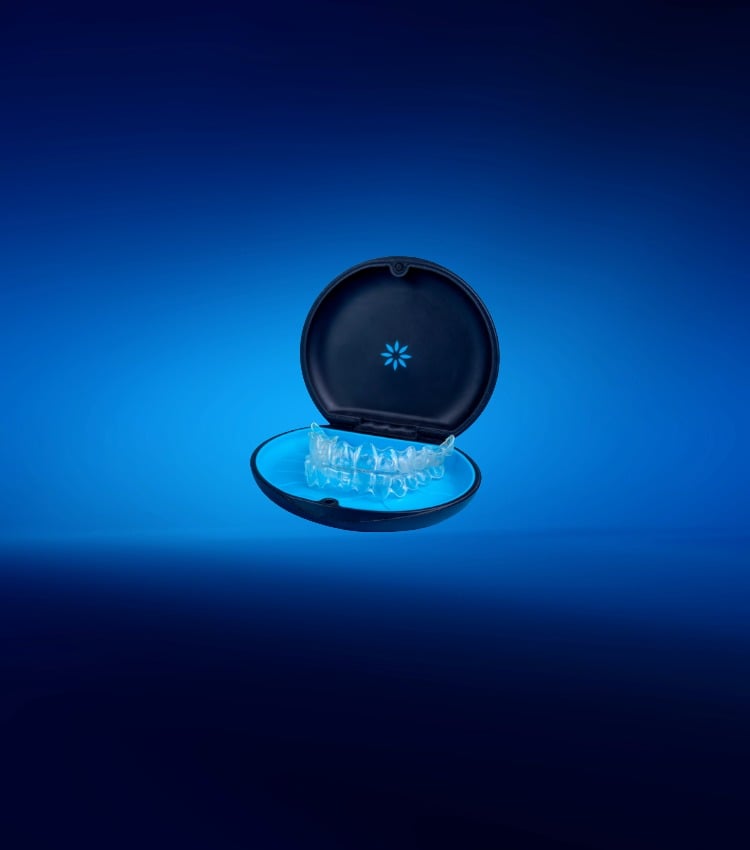
How to clean Invisalign aligners (and keep them clear)
How to clean Invisalign aligners: what to use, what to avoid, how to handle Bakersfield heat, and what to do about cloudy, smelly, or stained trays.
Read more
Blog
TMJ symptoms include jaw pain, locking, headaches and ear pain. Learn which signs are harmless, which deserve an exam, and what to expect in Bakersfield.
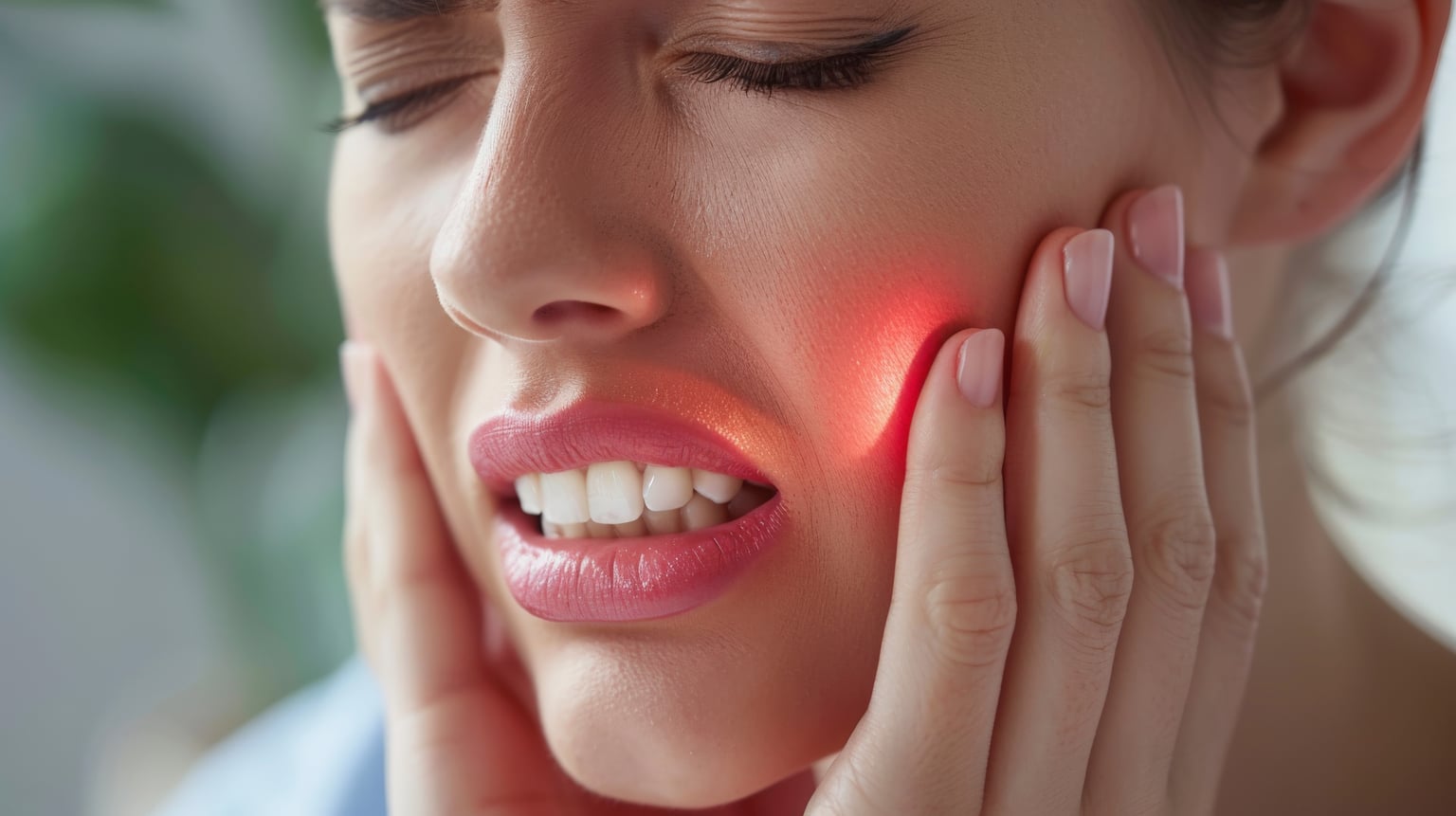
The most common TMJ symptoms are jaw pain or tenderness, clicking or popping that hurts, a jaw that locks or will not open fully, and headaches or ear pain with no other explanation. A jaw that clicks and feels fine is common and usually needs nothing. Pain, limited movement, or symptoms that keep coming back are the signs worth having examined.
"TMJ" is the name of the joint, the temporomandibular joint, which is the hinge on each side of your face connecting the lower jaw to the skull. When people say they "have TMJ," they usually mean a temporomandibular disorder (TMD): a problem with that joint or the chewing muscles around it. The National Institute of Dental and Craniofacial Research describes TMDs as a group of more than 30 conditions, which is part of why they can be hard to pin down.
Symptoms vary a lot from person to person, and they do not always show up in the jaw. The ones to know:
None of these proves a jaw joint problem on its own. Headaches, ear pain, and neck pain have many causes, and a good exam looks at all of them. That is why the pattern matters more than any single symptom.
Not by itself. Clicking or popping without pain is common and generally does not need treatment. Inside each joint sits a small cushion of cartilage called a disc. If the disc shifts slightly as the jaw opens, you may hear a click, and many people live with that for decades without trouble.
Clicking becomes worth mentioning when it comes with any of these:
Often there is no single cause. Common contributors include:
For many people the cause is a mix, and for some it is never clearly identified.
This question deserves a careful answer, because the honest one is "it depends, and it is not a first step."
Braces and Invisalign do not typically cause jaw joint disorders, and many patients treat a bite problem without any joint symptoms at all. At the same time, NIDCR cautions that irreversible bite treatments, including orthodontics, have not been shown to reliably help TMDs and in some cases can make them worse. Moving teeth is not a cure for jaw pain.
Where orthodontics can fit is narrower: when a diagnosed bite problem is clearly contributing to the strain on the jaw, correcting that bite may be part of the plan, after more conservative steps and with a clear reason. That is the approach described on our TMJ treatment page: conservative first, escalating only when the case requires it. Decisions about braces or Invisalign for a patient who also has jaw symptoms should come from a full evaluation, not from the symptoms alone.
There is no single test that settles it. NIDCR notes that there is no broadly accepted standard test, and that people with TMDs are sometimes misdiagnosed or see treatment delayed. In practice, an evaluation usually includes:
Treatment starts with the least invasive options. Self-care such as softer foods, heat or cold on the sore area, avoiding wide yawns and gum chewing, and gentle jaw stretching helps many people, and symptoms often settle on their own. If they do not, a custom oral appliance called a splint (a removable guard worn over the teeth, often at night) is a common conservative next step. Surgery is a last resort, and a small minority of cases need it. When a case calls for a surgical or other specialty opinion, the next step is a coordinated referral.
Several providers can play a role, including your general dentist, your physician, and an orthodontist. Dr. Guy Mendivil treats roughly 40 TMJ cases a year, many of them referred by general dentists, and many patients come in on their own after looking up their symptoms. You do not need a referral. The practice has been in Bakersfield since 1989, and appointments take place in private treatment rooms. If your dentist has already suggested that grinding or your bite could be involved, bring that along. We would rather build on what has been done than start from scratch. For background on how the two professions divide the work, see our guide to dentist vs. orthodontist.
Over-the-counter pain relief may help some people, but check with your physician or pharmacist about what is right for you.
Book an evaluation if you have:
If your jaw is locked and you cannot open or close it, or you have pain after an injury to the face, get urgent care rather than waiting for an appointment. Our guide to what counts as a braces emergency covers when to call the office and when to head to the ER, and the FAQ answers common scheduling questions.
If you would like the joint and bite evaluated, you can schedule a free consultation. Dr. Mendivil will examine your jaw, explain what he finds in plain English, and tell you whether treatment makes sense or whether a different kind of care is the better first step.
This article is general information, not a diagnosis. Only an exam can tell you what is behind your symptoms. For more on TMDs, see the National Institute of Dental and Craniofacial Research overview of TMD (temporomandibular disorders).
Keep reading
How to clean Invisalign aligners: what to use, what to avoid, how to handle Bakersfield heat, and what to do about cloudy, smelly, or stained trays.
Read more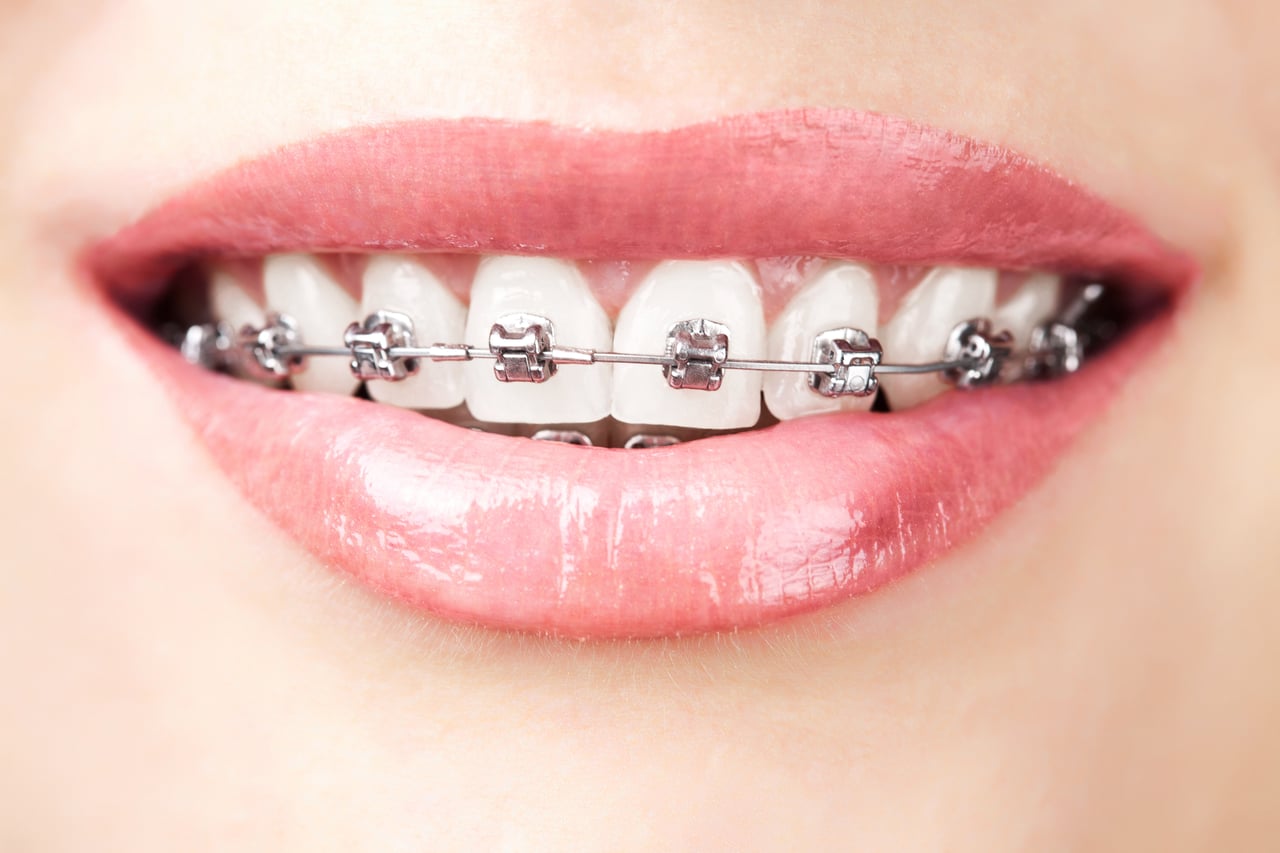
How do braces move teeth? Learn how gentle pressure remodels the bone around each root, why adjustments are weeks apart, and what speeds or slows treatment.
Read more
A poking wire or loose bracket is rarely a true braces emergency. Here is what to fix at home, what to save for a call, and when to head to the ER.
Read moreTalk it through

Bring your insurance card. We will walk through the bite, the timeline, and what is covered before any treatment starts.
Schedule a consultation